
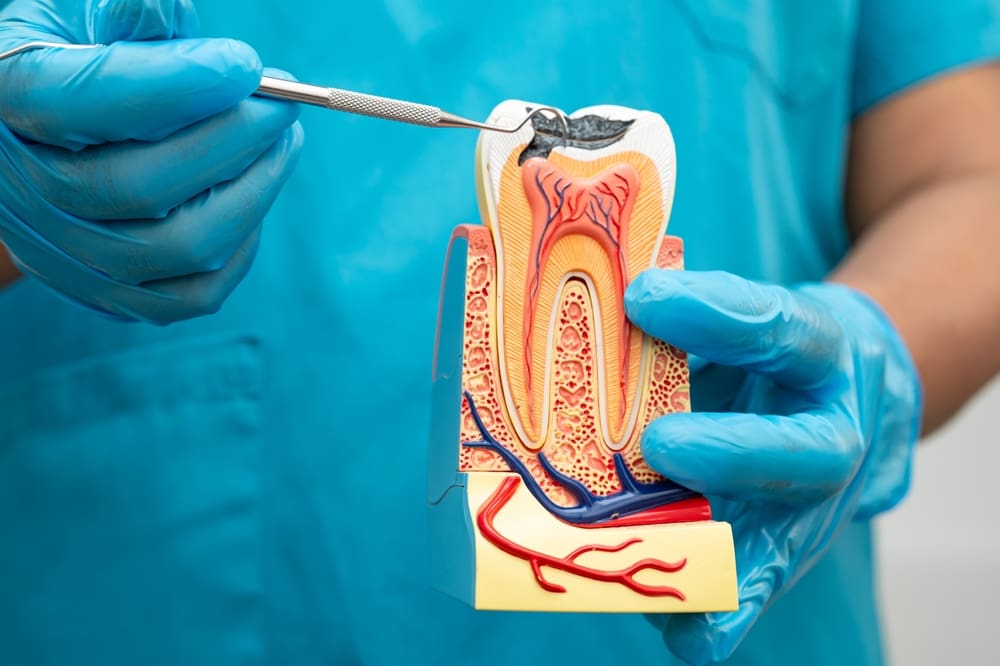
Root canal therapy is a common dental procedure designed to save a tooth that is severely infected or damaged. Prompt treatment is crucial to prevent further complications such as abscesses, swelling, or even tooth loss. This blog will guide you through understanding root canal pain, the procedure itself, and recovery, helping you feel informed and confident about seeking care from a dentist in Toronto or a trusted root canal dentist in Toronto.
Understanding Root Canal Pain
Tooth pain is often the first sign that a root canal may be necessary. Common causes include deep decay, repeated dental procedures on the same tooth, cracks, or trauma. Symptoms indicating a root canal may include:
- Severe toothache that worsens with chewing or pressure
- Sensitivity to hot or cold temperatures
- Swollen or tender gums
- Tooth discoloration
It’s important to differentiate normal dental discomfort from infection-related pain. If you experience any of these symptoms, contacting a dentist near me promptly can prevent complications and help preserve your natural tooth.
Preparing for Root Canal Therapy
Preparation begins with a consultation and thorough dental examination. Diagnostic tools like X-rays and pulp tests help your dentist determine the extent of infection.
Pre-procedure instructions may include:
- Guidance on pain management
- Prescriptions for antibiotics if an infection is present
- Recommendations on eating or drinking prior to the appointment
- Techniques to manage dental anxiety, including sedation or relaxation methods
Proper preparation ensures the procedure is safe and more comfortable.
Step-by-Step Procedure
Root canal therapy is performed under local anesthesia to ensure a pain-free experience. The steps typically include:
- Isolating the tooth with a dental dam
- Removing infected or damaged pulp from inside the tooth
- Cleaning, shaping, and disinfecting the root canals
- Filling the canals with a biocompatible material called gutta-percha
- Restoring the tooth with a temporary or permanent crown, depending on the situation
The procedure can be completed in a single visit or multiple visits, depending on the complexity of the case. Visiting a skilled root canal dentist in Toronto ensures precision and long-lasting results.
Post-Procedure Recovery
After treatment, mild pain, swelling, or sensitivity is normal. Immediate care includes:
- Taking prescribed pain relief medications
- Avoiding hard or sticky foods
- Maintaining proper oral hygiene
Follow-up visits allow your dentist to monitor healing and place permanent restorations if needed. Adhering to post-procedure instructions helps prevent reinfection and ensures long-term oral health.
Addressing Common Myths
Many people fear that root canal therapy is painful or that the treated tooth becomes weak. In reality:
- Modern anesthesia makes the procedure virtually pain-free
- The tooth is restored to full function and strength
- Success rates are high when performed by an experienced root canal in Toronto specialist
Understanding these facts can help reduce anxiety and encourage timely treatment.
When to Contact Your Dentist
Contact your dentist in Toronto immediately if you experience:
- Persistent pain beyond the normal healing period
- Signs of infection, such as swelling or pus
- Problems with crowns or fillings
Prompt attention ensures complications are managed quickly, protecting your oral health.
Conclusion
Root canal therapy is a safe, effective way to save natural teeth and restore oral health. By addressing infection early and following proper care instructions, most patients experience successful recovery and long-term benefits. If you experience tooth pain or other warning signs, seek a dentist near me or a root canal dentist in Toronto to preserve your smile and prevent further complications.