

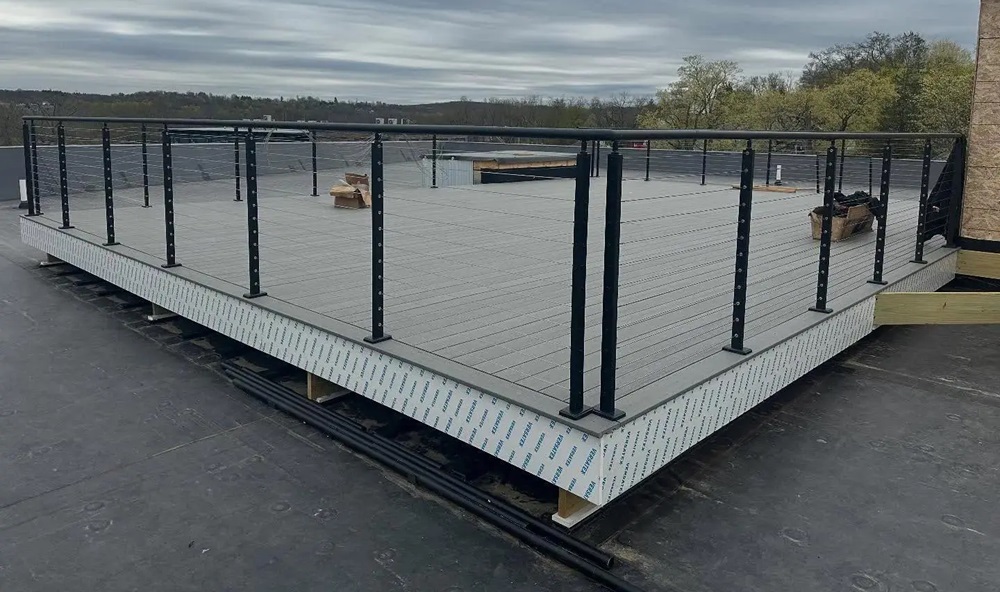
Urban architecture has undergone a radical transformation over the past decade. As city skylines reach new heights, rooftops are no longer just mechanical spaces; they have evolved into high-end terraces, sky-high dining hubs, and lush urban gardens. This shift has placed a spotlight on a critical architectural element: safe, resilient, and visually stunning Rooftop Terrace Railing Systems.
High-rise developments present unique engineering hurdles. Architects must harmonize intense wind loads and stringent safety codes with modern aesthetics. Since these social zones are often suspended dozens of stories above the street, the barrier system must offer maximum security without sacrificing the panoramic views that make rooftop living desirable.
What Are Rooftop Terrace Railing Systems?
A Rooftop Terrace Railing System is a structural safety barrier designed for the perimeter of elevated outdoor spaces. Beyond just a fence, these systems are engineered assemblies that include:
Structural Supports: Vertical posts or base channels.
- Infill Materials: Options like tempered glass panels or stainless steel cables.
- Handrails: Top rails provide extra stability and a grip surface.
- Precision Hardware: Specialized anchors that integrate with the building’s structural slab.
For a deeper dive into the mechanics of these structures, our guide on what is a railing system breaks down the essential components used in modern construction.
Critical Challenges for High-Rise Installations
Rooftop terraces are exposed to environmental forces far more punishing than those at ground level.
- Extreme Wind Pressure: Wind velocity increases with altitude. Railings must be calculated to withstand significant lateral pressure without structural fatigue.
- Safety & Code Compliance: Most international codes, such as those detailed in our rooftop terrace railing systems guide, require a minimum height of 42 inches (106 cm).
- Corrosion Resistance: Constant exposure to UV rays, salt air (in coastal cities), and urban pollutants requires high-performance materials.
Key Material Options for Modern Terraces
1. Glass Railing Systems
Glass is currently the gold standard for luxury high-rises. By utilizing tempered or laminated safety glass, designers create “invisible” barriers that maximize property value by preserving views.
Many projects now utilize aluminum base shoes for a seamless look. The glass railing aluminum profile is a popular choice for contractors looking for a lightweight yet incredibly strong mounting solution. For a “floating” aesthetic, glass spigot railing systems offer minimal visual interference by supporting the glass from the bottom edge only.
2. Stainless Steel Cable Railings
For an industrial or contemporary aesthetic, cable railings are an excellent alternative. These systems use thin, tensioned stainless steel cables to provide security.
- Pros: Allows for maximum airflow and a sleek, linear look.
- Maintenance: Occasional tensioning may be required to keep cables taut.
3. Post and Panel Systems
Traditional post systems offer the highest structural rigidity. These are often used in commercial settings where heavy foot traffic is expected. By using high-quality hardware like the stainless steel spigot for premium projects, builders can ensure a long-lasting, high-end finish.
Choosing the Right Stainless Steel Grade
The longevity of your railing depends entirely on the alloy used. While 304 Grade is standard for interiors, rooftop environments almost exclusively require 316 Grade Stainless Steel due to its molybdenum content, which prevents “tea staining” and rust. Check out the comparison of 304 vs 316 stainless steel to see which is right for your climate.
| Feature | Glass Systems | Cable Systems | Post Systems |
| View Obstruction | Very Low | Low | Moderate |
| Wind Protection | High (Blocks wind) | Low (Allows airflow) | Moderate |
| Maintenance | Cleaning glass | Tensioning cables | Low |
| Cost | Premium | Moderate | Variable |
Engineering and Installation Considerations
Installing a railing system on a high-rise isn’t just about bolting down posts. It involves:
- Structural Integration: Ensuring the mounting surface can handle the leverage of the railing.
- Waterproofing: Maintaining the integrity of the roof’s waterproof membrane during installation.
- Safety Standards: Adhering to the same rigorous standards used in pool fence installations to prevent climbing or accidental falls.
As a leading railing manufacturer, we provide the hardware and engineering support needed for complex urban projects. For visual tutorials and product breakdowns, visit our Unikim Railings YouTube channel.
Summary
Modern rooftops are the crown jewels of urban architecture. To make these spaces safe and inviting, choosing the right Rooftop Terrace Railing System is vital. Whether you prioritize the transparency of glass or the ruggedness of stainless steel, balancing aesthetics with 316-grade durability ensures a project that stands the test of time.
To explore professional-grade hardware or request a custom quote, visit our contact page today.