
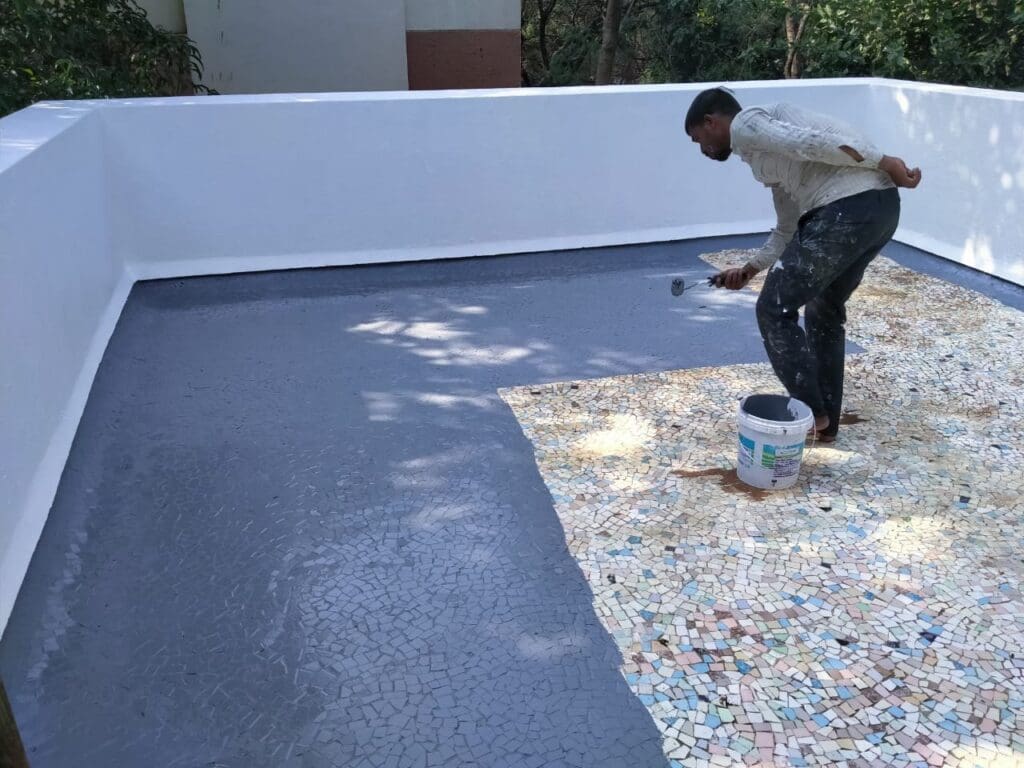
Roof waterproofing is an essential part of building maintenance that protects a structure from water damage, leakage, and dampness. It involves applying a protective layer or membrane to the roof surface to prevent water from seeping into the building. A well-executed waterproofing system not only enhances the lifespan of a roof but also improves the overall durability and value of a property.
Importance of Roof Waterproofing
Roofs are constantly exposed to harsh environmental conditions such as rain, sunlight, wind, and temperature fluctuations. Over time, these elements can cause cracks, leaks, and deterioration of roofing materials. Without proper waterproofing, water can penetrate through the roof, leading to structural damage, mold growth, and even health issues for occupants.
Water seepage can weaken concrete and corrode steel reinforcements, compromising the structural integrity of the building. Additionally, it can damage interior finishes such as ceilings, walls, and electrical fittings, resulting in costly repairs. Roof waterproofing acts as a protective barrier, ensuring that rainwater and moisture are effectively drained away from the roof surface.
Methods of Roof Waterproofing
There are several roof waterproofing methods available, each suitable for different roof types and conditions. Choosing the right technique depends on the building structure, roof material, and climate.
- Cementitious Waterproofing
This method is one of the most common and cost-effective solutions. It involves applying a cement-based coating that creates a rigid and durable waterproof layer. It is typically used in internal areas like bathrooms, water tanks, and basements but can also be applied to roofs when combined with other protective layers. - Liquid Waterproofing Membrane
Liquid waterproofing involves applying a polymer-based coating, usually made of polyurethane or acrylic materials. Once cured, it forms a seamless and flexible membrane that can withstand temperature variations and UV exposure. This method is suitable for both flat and sloped roofs. - Bituminous Membrane Waterproofing
Bituminous or asphalt-based membranes are widely used for flat roofs. These membranes are available in rolls and applied using heat or adhesive. They provide excellent protection against water and are durable under harsh weather conditions. - Polyurethane Waterproofing
Polyurethane coatings offer high flexibility and resistance to chemicals and environmental stress. They are ideal for flat roofs with complex details and where long-term durability is required. However, surface preparation is crucial to ensure strong adhesion. - EPDM Rubber Membrane
Ethylene Propylene Diene Monomer (EPDM) is a synthetic rubber material known for its longevity and weather resistance. It is easy to install and provides excellent waterproofing for both commercial and residential roofs.
Benefits of Roof Waterproofing
- Prevents Water Damage
The primary benefit of waterproofing is protection against leaks and seepage, ensuring that water does not damage the structural components of the building. - Enhances Durability
A waterproof roof can last much longer because it resists moisture, mold, and chemical damage. This reduces maintenance costs over time. - Improves Energy Efficiency
Some waterproofing coatings reflect sunlight, helping to maintain cooler indoor temperatures and reducing energy consumption for air conditioning. - Increases Property Value
A building with a well-maintained waterproof roof has higher resale value since it assures buyers of reduced maintenance issues. - Protects Interiors
Waterproofing prevents water from entering interior spaces, protecting furniture, electrical systems, and finishes from moisture-related damage.
Conclusion
Roof waterproofing is not just an optional upgrade but a necessary investment for every property owner. It safeguards the structure against leaks, enhances longevity, and ensures a comfortable and safe living environment. With various waterproofing methods available, property owners can choose the most suitable solution based on their budget and roof type. Regular inspection and maintenance of the waterproofing layer can further extend the roof’s service life. In the long run, roof waterproofing provides peace of mind and significant cost savings by preventing expensive repairs caused by water damage.