
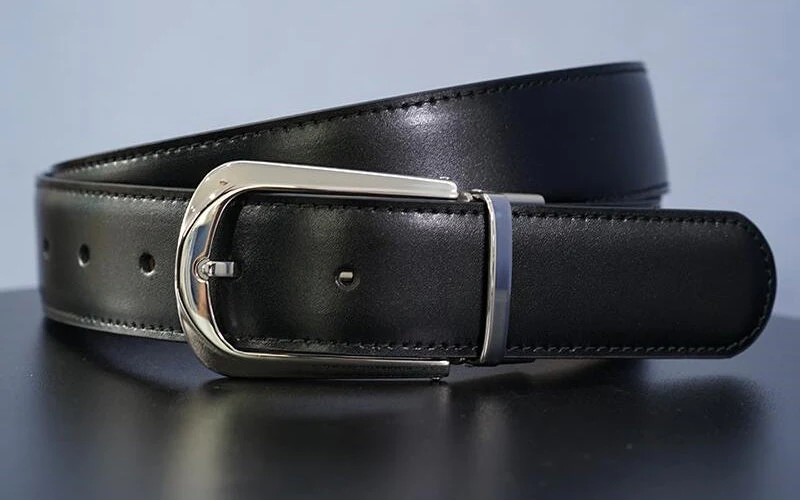
When it comes to men’s accessories, belts often don’t get the attention they deserve. Yet, the right belt can elevate an outfit, improve functionality, and even save money in the long run. One common question many men face is whether to choose a reversible belt or stick with a traditional one. Both options have their place, but understanding the differences can help you make a smarter choice.
What Is a Reversible Belt?
A reversible belt is designed with two sides, typically in different colors, allowing you to flip it depending on your outfit. Most commonly, you’ll find combinations like black and brown, making it easy to pair with multiple shoes and clothing styles.
For example, a high-quality leather reversible man belt gives you versatility without needing multiple belts in your wardrobe. With a simple twist or rotation of the buckle, you can switch styles in seconds.
This type of belt is especially useful for men who prefer practicality and minimalism. Instead of owning several belts, you get two looks in one.
What Defines a Traditional Belt?
Traditional belts are single-sided, meaning they come in one color and style. They are often crafted with more attention to detail on that one visible side, which can result in a richer finish or more premium appearance.
These belts are typically preferred for formal wear or occasions where a polished, consistent look is essential. For example, a classic black leather belt paired with formal shoes can complete a business outfit with precision.
Traditional belts also tend to offer more variety in terms of textures, stitching, and buckle designs. If style expression is important to you, this option gives you more room to experiment.
Key Differences Between Reversible and Traditional Belts
1. Versatility
Reversible belts clearly win in terms of versatility. With two color options in one accessory, they adapt easily to different outfits. This makes them ideal for travel, work, or everyday use.
Traditional belts, on the other hand, require you to own multiple pieces if you want the same flexibility.
2. Style and Appearance
Traditional belts often have a more refined and premium look. Since they are designed with a single outward-facing side, manufacturers can focus more on details like grain, finish, and stitching.
Reversible belts may sometimes compromise slightly on aesthetics due to their dual design, although high-quality options can still look very sophisticated.
3. Durability
Durability depends largely on the quality of the material rather than the type. However, traditional belts may last longer because they are not constantly being twisted or reversed.
Reversible belts involve moving parts in the buckle mechanism, which can wear out over time if not well-made. Choosing a durable, well-crafted option is key here.
4. Convenience
If convenience is your priority, reversible belts are hard to beat. They reduce the need to switch belts frequently and simplify your wardrobe choices.
Traditional belts require more planning, especially when matching shoes and outfits.
5. Cost Efficiency
A reversible belt can be more cost-effective since you’re essentially getting two belts in one. This is a great option for men who want value without sacrificing style.
Traditional belts may require a higher investment overall if you need multiple colors and styles.
When Should You Choose a Reversible Belt?
Reversible belts are perfect for men who:
- Want a minimalist wardrobe
- Travel frequently
- Prefer practical and versatile accessories
- Need a quick solution for matching outfits
They are especially useful for casual to semi-formal settings where flexibility matters more than strict dress codes.
When Is a Traditional Belt the Better Option?
Traditional belts are the better choice if you:
- Prioritize a premium, polished look
- Dress formally on a regular basis
- Appreciate fine details and craftsmanship
- Want a specific style to match a particular outfit
They are ideal for business settings, formal events, and occasions where presentation is key.
Final Thoughts
Choosing between a reversible and a traditional belt ultimately comes down to your lifestyle and preferences. If you value convenience, versatility, and cost efficiency, a reversible belt is a smart addition to your wardrobe. On the other hand, if you’re focused on style, detail, and long-term durability, traditional belts may be worth the investment.
In many cases, the best approach is to have both. A reversible belt can handle your everyday needs, while a traditional belt can step in when you need a sharper, more refined look. By understanding the strengths of each, you can build a belt collection that works for every occasion.