

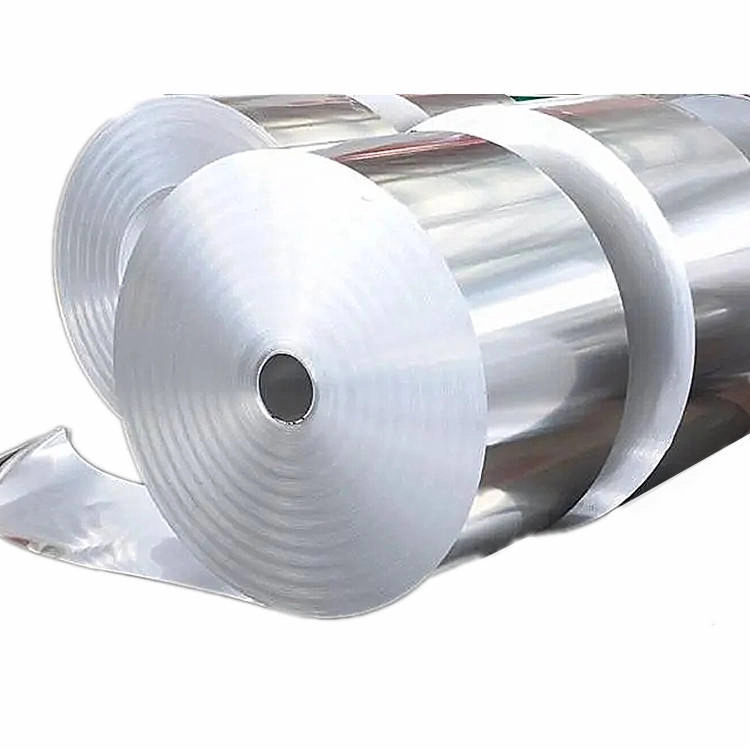
As the global energy landscape transitions toward decarbonization, hydrogen has taken center stage as a versatile and clean fuel source. However, the success of the “hydrogen revolution” depends entirely on the integrity of the infrastructure used to produce and move it. This is where Stainless Steel Coils become indispensable.
From the high-pressure environments of storage tanks to the intricate components within electrolyzers, these coils provide the structural backbone for safe and efficient energy systems. In this updated guide, we explore why stainless steel is the gold standard for hydrogen infrastructure and how it addresses the unique challenges of the smallest element in the universe.
Why Material Science Matters for Hydrogen
Hydrogen presents a unique metallurgical challenge: Hydrogen Embrittlement. Because hydrogen atoms are incredibly small, they can diffuse into the crystal lattice of many metals, causing them to become brittle and crack under stress.
High-quality Stainless Steel Coils—particularly austenitic grades like 316 and 316L—are specifically engineered to resist this penetration. The inclusion of nickel and chromium creates a stable atomic structure and a “passive” protective layer that keeps the system leak-proof and durable.
The Engineering Advantages of Stainless Steel Coils
- Immunity to Embrittlement: Austenitic stainless steel maintains its toughness and ductility even when saturated with hydrogen, preventing catastrophic structural failure.
- Extreme Pressure Resistance: Hydrogen storage often requires pressures exceeding 700 bar. The high tensile strength of stainless steel strip ensures that tanks and pipes can withstand these forces without deforming.
- Corrosion Protection: Hydrogen systems often involve water or chemical catalysts. The chromium oxide layer on the steel surface prevents rust, significantly lowering long-term maintenance costs.
- Thermal Versatility: Whether handling cryogenic liquid hydrogen at -253°C or high-temperature fuel cell reactions, these coils remain mechanically stable.
Strategic Applications in the Hydrogen Value Chain
1. Electrolyzers and Production
Green hydrogen is created by splitting water using renewable electricity. The internal plates and frames of these electrolyzers utilize stainless steel coil technology to prevent electrolyte corrosion and ensure gas purity.
2. Storage and Distribution
Safely containing a gas that wants to escape through the tiniest pores requires precision. Manufacturers use cold-rolled coils to create liners for composite tanks and high-pressure piping. For ultra-precise applications, the stainless steel foil market provides thin-gauge materials for seals and gaskets.
3. Fuel Cell Technology
In fuel cells, hydrogen is converted back into electricity. The bipolar plates—the “lungs” of the fuel cell—are often manufactured using stainless steel foil because it offers the perfect balance of conductivity, weight, and chemical resistance.
Leading Grades for Hydrogen Infrastructure
| Grade | Key Advantage | Best Use Case |
| 316/316L | Superior Molybdenum content | High-pressure storage & pipelines |
| 304 | Cost-effective durability | General structural supports |
| 321 | Titanium stabilized | High-temperature heat exchangers |
While these grades dominate the energy sector, similar high-performance materials are used in the stainless steel strip for automotive manufacturing to create lightweight, crash-resistant vehicle frames.
Sustainability and the Circular Economy
The “Green” in Green Hydrogen isn’t just about the fuel; it’s about the materials. Stainless steel is 100% recyclable. At the end of a 30-year lifecycle in a hydrogen plant, the coils can be melted down and repurposed without any loss in quality, supporting a truly circular economy.
Selecting the Right Partner
The complexity of Stainless Steel Coils for hydrogen energy systems requires a supplier with deep technical expertise. When sourcing materials, look for vendors that provide full traceability and material certifications (MTRs) to ensure your project meets international safety standards.
Summary
Stainless steel is more than just a container for hydrogen; it is the enabler of its potential. By providing a secure, corrosion-resistant, and recyclable foundation, Stainless Steel Coils are ensuring that the transition to clean energy is both safe and sustainable.
For technical specifications or to request a quote for your energy project, please contact us or visit our main product gallery.