
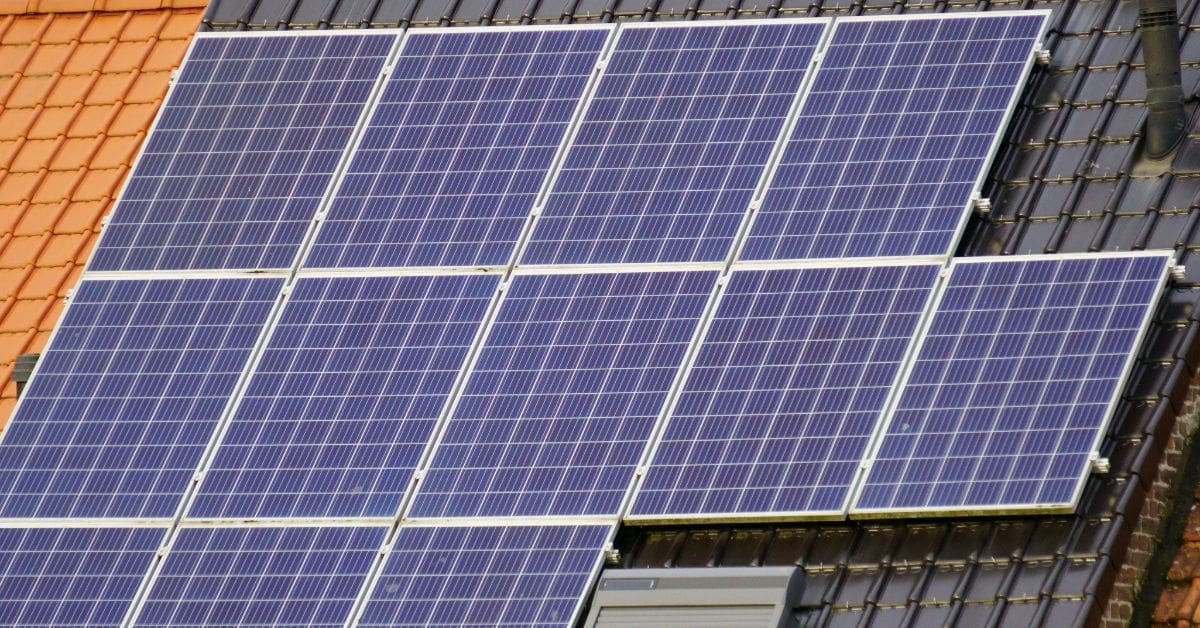
Discussions around clean power feel common now. Solar panels appear on rooftops. Wind farms stand near highways. Yet many people still ask a fundamental question – what is renewable energy integration? The answer may seem simple at first – the process of integrating renewable energy sources into existing energy systems. However, there’s more to it.
Power systems did not grow with renewables in mind. They grew around coal, gas, and large central plants. Renewables behave differently. Sunlight changes. Wind shifts. Output moves through the day. This creates tension between how power gets produced and how grids expect power to behave.
India feels this challenge clearly. Demand rises. Urban areas stretch. Rural access expands. Renewable energy plays a significant role, though integration brings hurdles that go beyond installation.
Where the Real Challenges Show Up
One challenge comes from variability. Solar power drops at sunset—wind output changes without notice. Traditional grids prefer steady flow. This mismatch causes planning stress.
Another issue involves grid readiness. Older transmission systems struggle with two-way power flow. Rooftop solar sends power back into the grid. Many systems still assume one direction. Upgrades take time and coordination.
Storage creates another pressure point. Batteries help smooth supply, though cost and scale limit reach. Pumped storage works in certain regions. It does not work everywhere.
Data also plays a role. Grid operators need clear visibility across sources. Without it, balancing supply and demand feels reactive.
Policy and coordination add layers. State utilities, private producers, and regulators move at different speeds. Alignment matters more than ambition here.
These factors explain why people still ask what is renewable energy integration. It involves systems, not panels alone.
How Technology Helps Systems Work Together
Technology steps in where manual planning falls short. Forecast tools predict solar and wind output based on weather patterns. These tools give operators time to adjust the load or reserve power.
Smart grids add network-wide sensing. They track flow, identify stress points, and enable faster decision-making. This does not remove human judgment. It supports it.
Energy management platforms coordinate multiple sources. They balance renewable input with conventional backup. This balance reduces sudden gaps.
Storage technology also shifts focus. Instead of ample central storage, many grids adopt distributed storage. Small battery systems support local stability. This spreads risk.
Digital twins help planners test scenarios. They model how new capacity affects the grid before physical changes take place. Errors reduce. Confidence grows.
Companies such as Encora work in this space by focusing on system-level software that supports planning, forecasting, and grid visibility, rather than solely on hardware. This reflects how technology often shapes outcomes behind the scenes.
Technology also extends into digital engineering services, which support grid operators by connecting data, forecasting tools, and control systems into a single view that makes planning and adjustment easier over time.
Why Progress Feels Gradual Rather Than Fast
Many expect clean energy shifts to feel dramatic. In reality, progress feels quiet. Small upgrades. Software updates. Policy tweaks. Over time, these changes compound.
Utilities learn from early pilots. Data improves. Confidence builds. Grid operators adjust habits. This pace frustrates some observers. It protects reliability.
Cost remains a factor. Technology investment requires balance. Targeted deployment works better than blanket change.
Public perception also matters. Power outages draw attention. Smooth days pass unnoticed. Integration aims to keep normal days boring.
The question: What is Renewable Energy Integration? Shifts with time. It starts as a technical idea. It becomes a planning mindset. It involves patience.
India’s path reflects this pattern. Large renewable targets push action. Ground-level constraints guide pace. Technology bridges gaps when applied with care.
Renewable energy integration does not rely on one solution. It depends on many small choices that align over time.
