
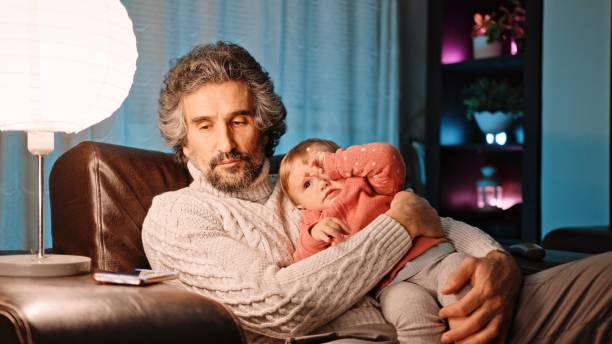
Generational trauma refers to the emotional and psychological wounds passed from one generation to another. These wounds often originate from events such as war, displacement, abuse, or systemic oppression. Although the original experience may belong to the past, its effects continue to shape present lives.
Today, many individuals and communities are beginning to recognize these inherited patterns. As awareness grows, so does the need for healing and reconciliation. Addressing these deep-rooted issues is not only personal but also collective.
True healing requires intentional effort and understanding. Peacebuilding through reconciliation practices plays a crucial role in repairing broken connections and restoring trust across generations. Therefore, exploring this process is essential for long-term emotional and social well-being.
Understanding Generational Trauma
What Is Generational Trauma?
Generational trauma, also known as intergenerational trauma, occurs when the impact of distressing events extends beyond those directly affected. It influences children, grandchildren, and even future generations. These effects may appear as anxiety, fear, or unhealthy coping mechanisms.
For example, families who have experienced war may carry deep fears of instability. Similarly, communities affected by discrimination may struggle with identity and belonging. These patterns often develop unconsciously and persist without clear explanation.
How Trauma Is Passed Down
Trauma is transmitted through various channels. One common way is through learned behaviors. Children often observe and adopt their caregivers’ emotional responses and coping strategies.
Additionally, silence can play a powerful role. When painful experiences are not discussed, confusion and emotional distance may grow. This lack of communication creates gaps in understanding and emotional connection.
Biological factors may also contribute. Research suggests that trauma can influence stress responses at a physiological level. As a result, individuals may inherit heightened sensitivity to stress without knowing its origin.
Impact of Unhealed Trauma
Effects on Individuals
Unresolved trauma can significantly affect mental health. Individuals may experience anxiety, depression, or difficulty managing emotions. These challenges often interfere with daily life and personal growth.
Furthermore, identity can become complicated. People may struggle to understand their emotions or behaviors. This confusion can lead to low self-esteem and a sense of disconnection.
Relationships may also suffer. Trust issues, fear of vulnerability, and communication barriers often arise. Consequently, forming healthy and stable connections becomes difficult.
Effects on Families and Communities
Generational trauma does not remain limited to individuals. It often shapes entire family systems and communities. Patterns of conflict, avoidance, or emotional distance may become normalized.
In families, unresolved trauma can create cycles of misunderstanding. Parents and children may struggle to connect emotionally. Over time, this weakens family bonds and trust.
At the community level, the impact can be even broader. Historical injustices may result in collective pain and division. Without healing, these wounds can continue to influence social dynamics and relationships.
Process of Reconciliation
Acknowledgment and Awareness
The first step toward reconciliation is acknowledgment. Individuals and communities must recognize the existence of trauma and its effects. This requires honesty and courage.
Awareness helps break the cycle of denial. When people understand the roots of their struggles, they can begin to address them. This step creates a foundation for meaningful healing.
Open Dialogue
Open communication is essential in the reconciliation process. Conversations across generations help uncover hidden experiences and emotions. These discussions foster understanding and empathy.
However, dialogue must occur in a safe and respectful environment. People need space to express themselves without fear of judgment. When this happens, emotional connections can begin to rebuild.
Forgiveness and Accountability
Forgiveness plays a complex but important role in reconciliation. It does not mean ignoring harm or excusing behavior. Instead, it involves releasing the emotional burden associated with past pain.
At the same time, accountability is necessary. Acknowledging responsibility helps rebuild trust and integrity. Together, forgiveness and accountability create a balanced path toward healing.
Healing Strategies
Therapy and Professional Support
Professional support can provide valuable guidance. Therapists trained in trauma-informed care help individuals process their experiences safely. They offer tools to manage emotions and build resilience.
Group therapy can also be beneficial. Sharing experiences with others fosters a sense of connection and reduces feelings of isolation. This collective healing strengthens emotional support systems.
Cultural and Spiritual Practices
Cultural traditions often play a vital role in healing. Rituals, storytelling, and community gatherings help preserve identity and promote unity. These practices create a sense of belonging and continuity.
Spiritual approaches can also offer comfort. Many people find healing through meditation, prayer, or reflection. These practices encourage inner peace and emotional balance.
Personal Growth and Self-Reflection
Healing requires personal commitment. Self-reflection allows individuals to identify harmful patterns and make conscious changes. This process fosters self-awareness and emotional growth.
Journaling, mindfulness, and education can support this journey. By understanding their experiences, individuals can break cycles of trauma and create healthier responses.
Moving Forward
Building Resilient Generations
Breaking the cycle of generational trauma requires intentional effort. By addressing past wounds, individuals can create healthier environments for future generations. This effort builds resilience and emotional strength.
Teaching children healthy coping mechanisms is essential. Open communication, emotional support, and positive role modeling help prevent the continuation of harmful patterns.
Creating Safe Spaces
Safe spaces are crucial for ongoing healing. These environments encourage openness, trust, and mutual respect. They allow individuals to share their experiences without fear.
Communities can play a key role in this process. Support groups, educational programs, and inclusive initiatives promote understanding and unity. Over time, these efforts strengthen collective well-being.
Conclusion
Reconciliation after generational trauma is a complex but necessary journey. It requires acknowledgment, dialogue, and a willingness to confront difficult truths. Although the process may be challenging, its benefits are profound.
Healing these deep-rooted wounds allows individuals to reclaim their sense of self. It also strengthens families and communities by fostering trust and connection. As people work toward understanding, they create opportunities for growth and transformation.
Ultimately, reconciliation is about more than addressing the past. It is about building a healthier and more compassionate future. By committing to healing, individuals and communities can break cycles of pain and create lasting change.