
Introduction
A home’s roofing system does more than shield the structure from weather, as it also plays a vital role in regulating airflow and temperature throughout the building. Without proper ventilation, heat and moisture can accumulate in attic spaces, leading to structural damage and reduced indoor comfort. A well designed roof ventilation system helps balance airflow, protects roofing materials, and supports energy efficiency. CL Roofing and Renovations LTD. provides professional solutions that focus on improving ventilation performance while ensuring long term protection for residential roofing systems in changing climate conditions.
Understanding the Purpose of Roof Ventilation
Roof ventilation is designed to allow fresh air to circulate through attic and roof spaces while expelling trapped heat and moisture. This balance prevents condensation buildup that can damage insulation and wooden structures. A properly installed roof ventilation system supports consistent airflow, helping regulate attic temperatures throughout the year. By maintaining this balance, homeowners can reduce strain on heating and cooling systems while protecting the integrity of the roof structure.
How Poor Ventilation Affects Roofing Systems
Inadequate ventilation often leads to premature roof deterioration and interior problems. Excess heat trapped beneath the roof surface accelerates shingle aging and weakens adhesives. Moisture buildup encourages mold growth and wood rot. Over time, these conditions compromise both structural stability and indoor air quality. Installing a reliable roof ventilation system addresses these issues by allowing excess heat and moisture to escape before damage occurs.
Climate Influence on Ventilation Needs
Climate plays a significant role in determining ventilation requirements. In colder regions, warm air rising into attic spaces can condense when it meets cold surfaces, creating moisture problems. In warmer months, trapped heat increases cooling demands and energy costs. A properly engineered roof ventilation system adapts to seasonal changes by maintaining consistent airflow regardless of external temperatures, ensuring year round performance.
Types of Roof Ventilation Solutions
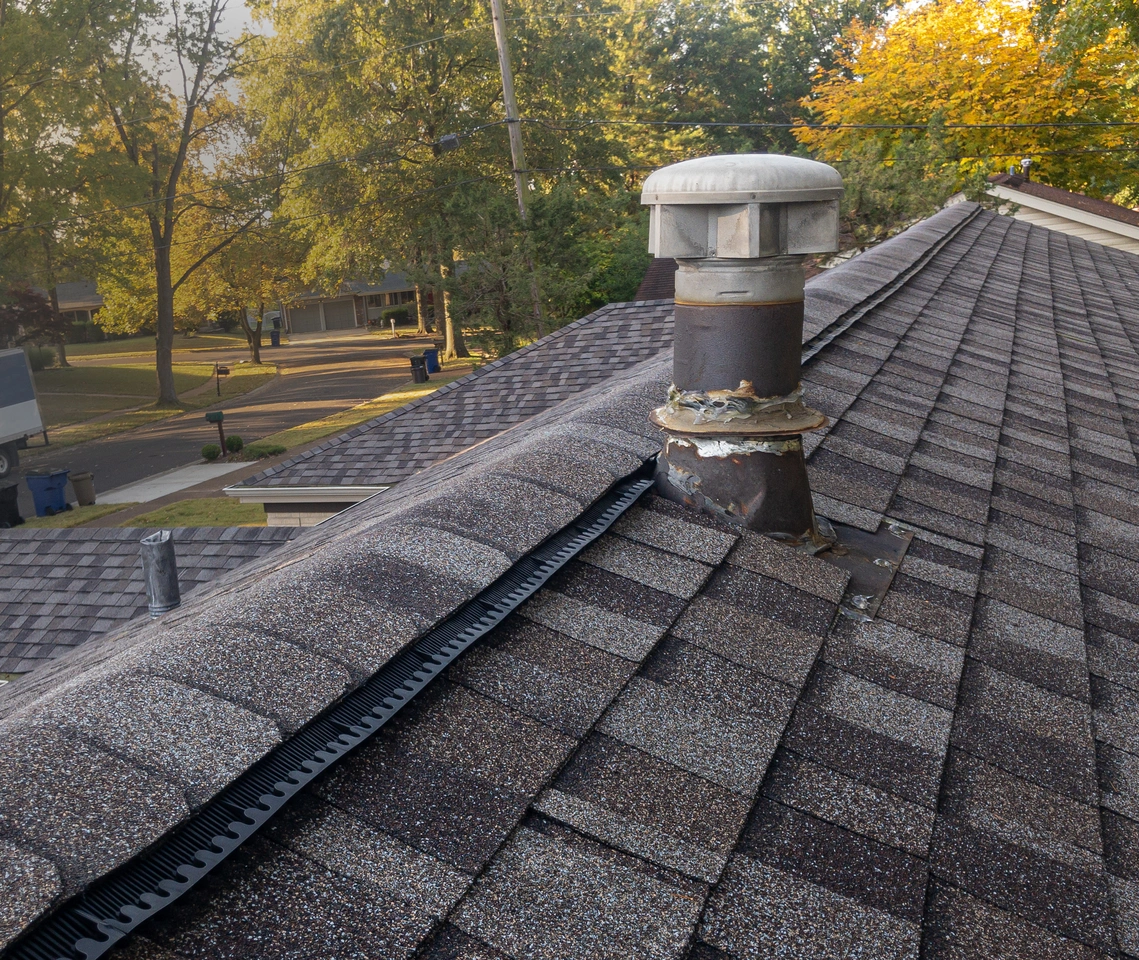
Roof ventilation solutions vary based on roof design and airflow requirements. Common options include ridge vents, soffit vents, gable vents, and powered exhaust systems. Each option serves a specific function in promoting balanced air intake and exhaust. A well planned roof ventilation system often combines multiple components to create continuous airflow from eaves to ridge, optimizing performance and efficiency.
Importance of Balanced Airflow
Balanced airflow is essential for effective ventilation. Too much exhaust without adequate intake can draw conditioned air from living spaces, increasing energy loss. Insufficient exhaust allows heat and moisture to remain trapped. A properly balanced roof ventilation system ensures intake and exhaust work together, maintaining stable attic conditions without negatively affecting indoor environments.
Energy Efficiency and Cost Savings
A properly functioning roof ventilation system contributes significantly to energy efficiency. By reducing heat buildup in attic spaces, ventilation lowers cooling demands during warmer months. In colder seasons, it helps prevent moisture related insulation damage that reduces thermal performance. Over time, improved efficiency translates into lower energy bills and reduced strain on heating and cooling systems.
Protecting Roofing Materials
Roofing materials are designed to perform within specific temperature and moisture ranges. Excessive heat causes shingles to crack, curl, or lose granules prematurely. Moisture weakens underlayment and decking materials. Installing an effective roof ventilation system helps maintain ideal conditions beneath the roof surface, extending material lifespan and reducing the frequency of costly repairs or replacements.
Moisture Control and Mold Prevention
Moisture control is one of the most critical benefits of proper ventilation. Condensation in attic spaces creates an environment conducive to mold and mildew growth, which can spread to living areas. A roof ventilation system promotes continuous airflow that removes excess moisture before it settles, protecting both structural components and indoor air quality.
Impact on Indoor Comfort
Ventilation directly affects indoor comfort levels. Excess heat trapped in attic spaces radiates downward, making upper floors uncomfortable during warm seasons. Improved airflow reduces this heat transfer, creating more consistent indoor temperatures. A well designed roof ventilation system enhances comfort without relying solely on mechanical cooling solutions.
Role of Professional Assessment
Determining the correct ventilation approach requires professional assessment. Factors such as roof pitch, attic size, insulation levels, and local climate must be evaluated. A professional roof ventilation system installation considers these variables to design a solution that meets building requirements and performance goals rather than relying on generic configurations.
Installation Process and Best Practices
Proper installation is essential for ventilation effectiveness. Vents must be positioned correctly to promote airflow and prevent weather intrusion. Sealing and flashing around vent openings protect against leaks. A professionally installed roof ventilation system follows best practices to ensure durability, performance, and compliance with building standards.
Integration With Existing Roofing Systems
Ventilation upgrades often need to integrate seamlessly with existing roofing materials. Poor integration can lead to leaks or reduced performance. A well planned roof ventilation system complements the current roof structure, preserving aesthetics while improving functionality and airflow efficiency.
Long Term Maintenance Considerations
While ventilation systems require minimal maintenance, periodic inspections ensure vents remain clear of debris and functioning properly. Blocked vents reduce airflow and negate benefits. A professionally designed roof ventilation system simplifies maintenance by using durable components and accessible configurations that support long term reliability.
Code Compliance and Safety
Building codes often specify ventilation requirements to protect structures and occupants. Compliance ensures adequate airflow ratios and safe installation methods. A properly installed roof ventilation system meets local regulations, providing homeowners with peace of mind and avoiding issues during inspections or future renovations.
Enhancing Property Value
Effective ventilation is increasingly recognized as a valuable home feature. Buyers appreciate homes with efficient airflow systems that protect roofing materials and reduce energy costs. Installing a quality roof ventilation system enhances property appeal and demonstrates proactive maintenance, contributing to higher resale value.
Environmental Benefits
Improved ventilation supports environmental responsibility by reducing energy consumption. Lower cooling demands decrease greenhouse gas emissions associated with power generation. A roof ventilation system contributes to sustainable living by optimizing natural airflow rather than relying solely on mechanical systems.
Choosing the Right Ventilation Partner
Selecting an experienced contractor ensures ventilation solutions are tailored to specific property needs. Knowledge of local climate conditions, roofing materials, and airflow principles is essential. A reliable roof ventilation system installation depends on expertise, accurate assessment, and careful execution rather than one size fits all solutions.
Conclusion
Proper ventilation is a foundational element of roofing performance, energy efficiency, and indoor comfort. By managing heat and moisture effectively, ventilation protects roofing materials and supports healthier living environments. A professionally designed and installed roof ventilation system delivers lasting benefits that extend beyond immediate comfort. Through expert service and attention to detail, CL Roofing and Renovations LTD. ensures homeowners receive solutions that enhance roof durability and overall home performance.
Call to Action
If your home experiences excessive heat, moisture issues, or rising energy costs, it may be time to upgrade your roof ventilation system. Professional evaluation and installation can protect your roof while improving comfort and efficiency. Call Now and Contact CL Roofing and Renovations LTD. today to schedule a consultation and invest in a ventilation solution designed for long term performance and peace of mind.