
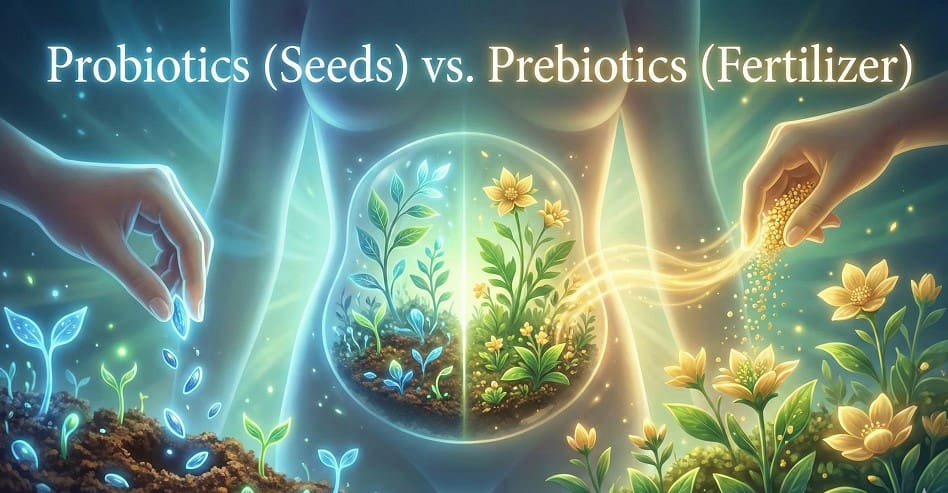
Many people want better digestion, less bloating, and a stronger immune system—but the gut can be confusing territory. You hear about probiotics. You hear about prebiotics. Yet the difference isn’t always clear.
That confusion leads to supplement mistakes, digestive discomfort, and money wasted on products that don’t work well together.
This guide breaks the topic down simply—what each one does, how they support the gut, and when you actually need both. If you’re building a gut-friendly routine or shopping for supplements at places like https://zenvitaco.com/, this will help you choose wisely.
full guide is here: Probiotics vs. Prebiotics: What’s the Difference and Do You Need Both?
Understanding the Gut Microbiome (Your Body’s Internal Ecosystem)
Your gut microbiome is a living community of trillions of microorganisms. These microbes affect digestion, immunity, metabolism, and even mood. When this ecosystem becomes unbalanced, symptoms show up quickly—gas, bloating, irregularity, and fatigue.
Prebiotics and probiotics both influence microbiota diversity, but they do it in different ways.
What this section answers:
Why the microbiome matters and how probiotics and prebiotics fit into the picture.
What Are Probiotics? (Live Beneficial Bacteria Explained)
Probiotics are living bacteria that support gut health. They help restore balance, crowd out harmful microbes, and strengthen immune defenses.
The Role of Probiotics in Digestion & Immunity
These microbes improve nutrient absorption and help maintain the stomach and intestinal lining. They also support immune cells in the GI tract.
The Most Common Probiotic Strains (Lactobacillus, Bifidobacterium & Others)
The most researched strains include:
- Lactobacillus (digestive support, immune response)
- Bifidobacterium (bowel regularity, reduced gas)
- Saccharomyces boulardii (yeast-based support for the gut)
Each strain has different strengths. Always check the strain, not just the species.
Best Natural Food Sources of Probiotics
You can find probiotics in:
- Yogurt
- Kefir
- Kimchi
- Sauerkraut
- Miso and tempeh
- Kombucha
These fermented foods introduce beneficial bacteria into the GI tract.
What this section answers:
What probiotics are, how they work, and where to find them.
What Are Prebiotics? (Fuel for Your Good Bacteria)
Prebiotics are special fibers that feed the good bacteria already living in your gut.
Types of Prebiotics (Inulin, FOS, GOS & Resistant Starch)
Different prebiotic fibers include:
- Inulin
- FOS (Fructooligosaccharides)
- GOS (Galactooligosaccharides)
- Resistant starch
These fibers bypass digestion and become fuel for helpful bacteria.
Prebiotic Food Sources You Should Add to Your Diet
Good sources include:
- Garlic
- Onions
- Bananas
- Oats
- Apples
- Asparagus
- Chicory root
These foods help good bacteria grow stronger and more diverse.
How Prebiotics Improve Bowel Regularity & Reduce Bloating
By feeding beneficial bacteria, prebiotics help regulate bowel movements, reduce gas, and improve overall digestive comfort.
What this section answers:
How prebiotics improve gut health and which foods supply them.
Probiotics vs Prebiotics: The Key Differences (Side-by-Side Comparison)
Both play a role in gut health, but they work differently. The comparison below makes it simple.
Probiotics vs Prebiotics — Quick Table
| Feature | Probiotics | Prebiotics |
|---|---|---|
| What They Are | Live beneficial bacteria | Fiber that feeds good bacteria |
| Main Role | Add healthy microbes | Nourish existing microbes |
| Common Sources | Fermented foods | High-fiber plant foods |
| Best For | Balance & immunity | Regularity & microbial growth |
Functions Inside the Gut
- Probiotics: restore balance and improve digestion.
- Prebiotics: help good bacteria thrive.
Food Sources Comparison
Fermented foods → probiotics.
High-fiber plant foods → prebiotics.
Which One Should You Take First?
The order doesn’t matter as much as taking both consistently. Many experts recommend pairing them for better results.
What this section answers:
How they differ and which one offers which benefit.
Do You Need Both? The Science Behind Synbiotics
Combining probiotics and prebiotics creates a synbiotic. This pairing helps probiotics survive the GI tract and boosts their overall effectiveness.
How Prebiotics Boost Probiotic Survival
Prebiotics act as fuel, making it easier for probiotics to colonize and grow.
The Synergistic Effect on Digestion & Immunity
When combined, they enhance:
- Microbiota diversity
- Bowel regularity
- Nutrient absorption
- Immune response
Should You Choose a Synbiotic Supplement?
A synbiotic may help if:
- You experience frequent bloating
- You’re on antibiotics
- Your diet lacks diversity
- You want targeted digestive support
Brands like ZenVitaCo offer gut-friendly supplements that may fit well into a synbiotic routine.
What this section answers:
Why both together deliver stronger benefits.
Food or Supplements? Choosing the Best Option for Your Gut
When Food Sources Are Enough
Food can be enough if:
- You eat fermented foods daily
- Your diet includes diverse plant fibers
- You have no chronic gut issues
When Supplements Are More Effective
Supplements help when:
- You don’t regularly eat fermented foods
- You struggle with fiber intake
- You’re recovering from antibiotics
- You want strain-specific benefits
How to Choose a High-Quality Probiotic or Prebiotic Supplement
Look for:
- Clear strain names (e.g., Lactobacillus rhamnosus GG)
- Third-party testing
- A prebiotic–probiotic combo (synbiotic)
- Good CFU counts but not excessively high
What this section answers:
Whether you should rely on food, supplements, or a combination.
How to Build a Daily Gut Health Routine (Simple, Actionable Steps)
What to Eat in the Morning, Afternoon, and Evening
- Morning: Oats or yogurt
- Lunch: Fermented veggies or fiber-rich salads
- Dinner: Lean protein with vegetables high in prebiotic fibers
Diet + Lifestyle Factors That Strengthen the Gut
Support your microbiome with:
- Hydration
- Quality sleep
- Stress control
- Regular movement
How to Avoid Foods That Harm Your Microbiome
Limit:
- Highly processed foods
- Excess sugar
- Artificial sweeteners
- Alcohol
What this section answers:
How to maintain a gut-friendly routine without overwhelm.
Gut Health Needs Checker (Interactive Self-Assessment)
Symptoms of Imbalanced Gut Bacteria
Common signs include:
- Gas
- Bloating
- Irregular bowel movements
- Low energy
Do You Need Probiotics, Prebiotics, or Both?
- If you feel bloated → you may need prebiotics
- If you feel imbalanced → you may need probiotics
- If you experience both → you may benefit from synbiotics
Personalized Action Plan Based on Your Score
Create a simple plan matching your symptoms and diet. For example, a person with low fiber intake and irregular digestion may need more prebiotic foods and possibly a synbiotic supplement.
What this section answers:
How readers can identify what their body needs.
FAQs
What is the difference between probiotics and prebiotics?
Probiotics are live bacteria, while prebiotics are fiber that feeds good bacteria.
Probiotics add beneficial microbes to your gut. Prebiotics help those microbes grow, improving balance, digestion, and overall gut strength.
Do you need both probiotics and prebiotics?
Using both offers stronger gut health benefits than either one alone.
Together, they form a synbiotic that enhances microbiota diversity, boosts nutrient absorption, and supports regular digestion and immunity.
What foods contain probiotics?
Yogurt, kefir, sauerkraut, kimchi, and kombucha are top probiotic foods.
These fermented foods contain living bacteria that support gut balance and digestive health.
What foods are high in prebiotics?
Garlic, onions, bananas, oats, apples, and asparagus are rich in prebiotic fiber.
These foods help nourish beneficial bacteria and improve bowel regularity.
Can probiotics and prebiotics help with bloating?
Yes, they can reduce gas and improve bowel movement regularity.
Probiotics rebalance gut bacteria, while prebiotics support smoother digestion. When combined, they may ease bloating more effectively.
