
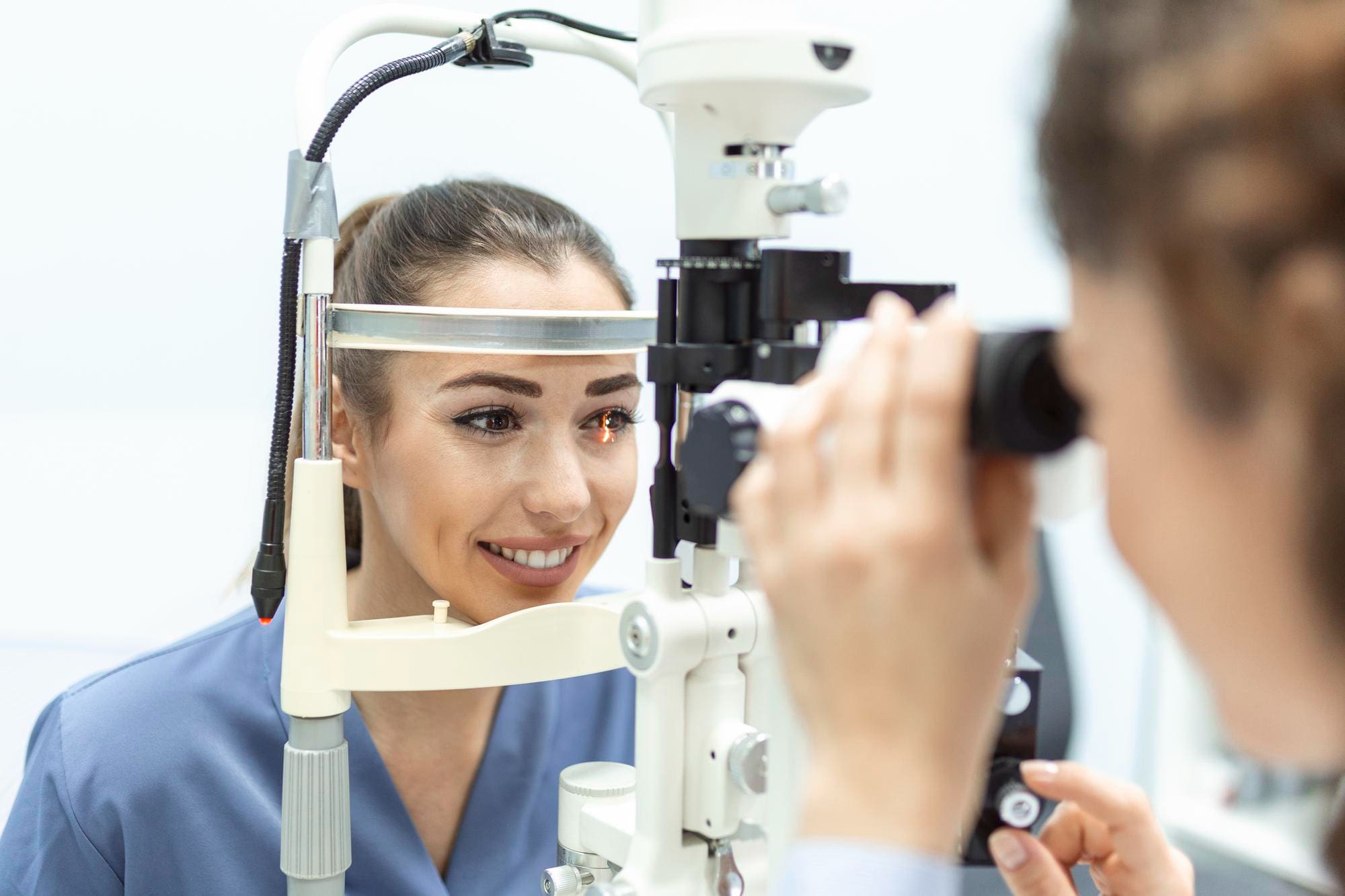
Maintaining healthy vision is essential for daily activities, yet many people struggle with refractive errors or chronic eye discomfort. Two important areas of modern eye care are PRK (Photorefractive Keratectomy) laser eye surgery, a procedure used to correct vision problems, and dry eye treatment, which addresses a common condition that can affect comfort and visual clarity. Understanding both can help individuals make informed decisions about their eye health and treatment options.
What Is PRK Laser Eye Surgery?
PRK is a type of laser vision correction procedure designed to reshape the cornea—the clear front surface of the eye—to improve how light is focused onto the retina. It is commonly used to treat nearsightedness, farsightedness, and astigmatism.
Unlike LASIK surgery, PRK does not involve creating a flap in the cornea. Instead, the thin outer layer of the cornea (epithelium) is gently removed, and a specialized laser reshapes the underlying tissue. The epithelium naturally regenerates over several days, allowing the eye to heal.
PRK is often recommended for individuals with thin corneas, those who participate in contact sports, or people whose eye structure makes LASIK less suitable.
Benefits of PRK
PRK offers several advantages for eligible patients. It eliminates the risk of flap-related complications and provides long-term vision correction with a strong safety record. Many patients achieve significantly reduced dependence on glasses or contact lenses. Additionally, because PRK preserves more corneal tissue, it can be a safer option for certain individuals.
Recovery and Healing
Recovery after PRK typically takes longer than some other laser procedures. Patients may experience temporary discomfort, light sensitivity, tearing, or blurred vision during the first few days. Doctors usually prescribe medicated eye drops to support healing and prevent infection. Vision gradually improves over several weeks, with full results becoming clear over a few months.
What Is Dry Eye Syndrome?
Dry eye syndrome is a condition that occurs when the eyes do not produce enough tears or when tears evaporate too quickly. Tears are essential for lubricating the eyes, maintaining clear vision, and protecting against irritation and infection.
This condition can range from mild discomfort to persistent irritation that interferes with daily activities.
Common Symptoms
People with dry eye may experience burning or stinging sensations, redness, a gritty feeling, blurred vision, eye fatigue, or sensitivity to light. Some individuals may notice excessive tearing as the eyes attempt to compensate for dryness.
Causes of Dry Eye
Dry eye can result from several factors, including aging, prolonged screen use, environmental conditions like wind or dry air, certain medications, hormonal changes, or underlying medical conditions. Wearing contact lenses for extended periods can also contribute to dryness.
Dry Eye Treatment Options
Treatment for dry eye depends on the severity and underlying cause. Eye care professionals often recommend a combination of approaches to relieve symptoms and improve tear quality.
Artificial Tears: Over-the-counter lubricating eye drops are commonly used to keep the eyes moist and reduce irritation.
Prescription Eye Drops: Anti-inflammatory medications can help increase tear production and reduce inflammation.
Warm Compresses and Lid Hygiene: These methods help improve the function of oil glands in the eyelids, which play a role in preventing tear evaporation.
Lifestyle Adjustments: Taking breaks during screen use, staying hydrated, using humidifiers, and protecting eyes from wind can reduce symptoms.
Advanced Treatments: In more severe cases, procedures such as punctal plugs or specialized therapies may be recommended to retain moisture.
Relationship Between PRK and Dry Eye
Dry eye is an important consideration for individuals undergoing PRK surgery. Some patients may experience temporary dryness after the procedure because the healing process can affect tear production and nerve sensitivity. For most people, symptoms improve as the eyes recover.
Before surgery, eye doctors typically evaluate tear function to determine whether dry eye is present and recommend treatments to optimize eye health. Proper management before and after PRK can improve comfort and support successful outcomes.
Who Is a Good Candidate for PRK?
PRK may be suitable for adults with stable vision who want to reduce dependence on corrective lenses and have healthy eyes overall. Candidates should not have uncontrolled eye diseases, severe dry eye, or certain corneal conditions. A comprehensive eye examination is necessary to determine eligibility.
Tips for Maintaining Eye Health
Whether considering PRK or managing dry eye, adopting healthy habits can support long-term eye comfort:
- Follow regular eye examination schedules
- Limit prolonged screen exposure and practice the 20-20-20 rule
- Maintain proper hydration and nutrition
- Use protective eyewear in harsh environments
- Follow medical advice for any prescribed treatments
Conclusion
PRK laser eye surgery offers a proven solution for correcting vision problems, particularly for individuals who may not be ideal candidates for other procedures. At the same time, understanding and managing dry eye is essential for maintaining comfort and clear vision. With proper evaluation, treatment, and ongoing care, individuals can achieve improved visual performance and better eye health. Consulting an eye care professional is the best way to determine the most appropriate approach based on individual needs and conditions.