
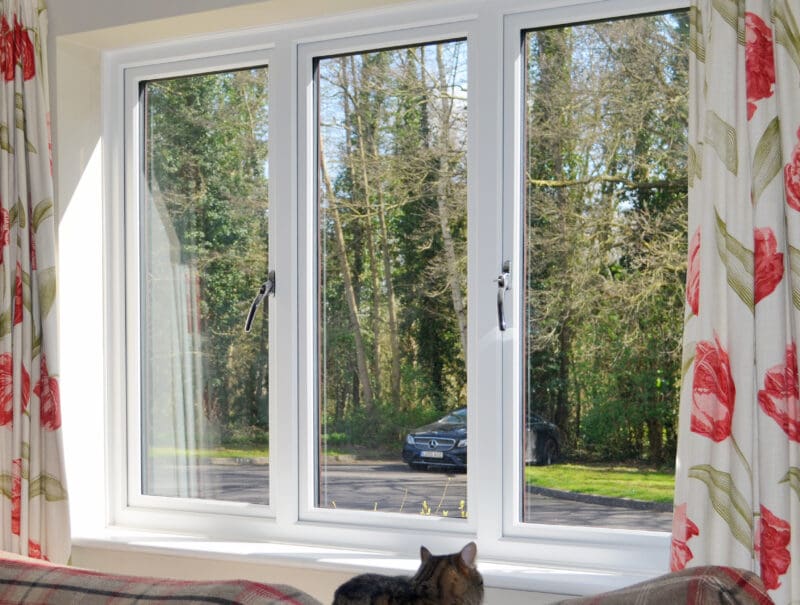
As modern architecture embraces larger windows, glass walls, and open-plan designs, the need for privacy has become more important than ever, especially in urban homes and busy commercial environments. While natural light and views are desirable, they often come at the expense of personal space and discretion.
That’s where privacy glass for double glazing windows becomes a smart and effective solution. It allows homeowners and businesses to maintain privacy without sacrificing light or comfort, all while benefiting from the thermal and acoustic advantages of double glazing.
In this article, we’ll explore everything you need to know about privacy glass in double-glazed windows what it is, how it works, the different types available, and why it’s a valuable addition to modern living spaces.
What is Privacy Glass?
Privacy glass is a type of glazing designed to obscure vision through a window or partition. It’s commonly used in areas where people want light but don’t want others to see inside—such as bathrooms, bedrooms, meeting rooms, or street-facing windows.
The privacy is typically achieved through a special treatment, coating, tint, or internal structure of the glass. Privacy glass may look frosted, patterned, mirrored, or even completely opaque, depending on its type and function.
When this glass is used in double glazing, it not only provides privacy but also:
- Improves energy efficiency
- Reduces outside noise
- Enhances indoor comfort
- Increases security
Understanding Double Glazing
Before diving deeper, it’s helpful to understand how double glazing works.
Double glazing refers to a window construction where two panes of glass are sealed together with a gap of air or inert gas (such as argon) between them. This gap acts as insulation and helps in:
- Preventing heat loss in winter
- Keeping out excess heat in summer
- Reducing outside noise
- Increasing window strength
When one or both panes in a double-glazed unit are made from privacy glass, you get the benefits of insulation and visual protection—making it ideal for residential, commercial, and public spaces.
Types of Privacy Glass for Double Glazed Windows
Privacy glass comes in a variety of types and finishes, each offering different aesthetics, privacy levels, and performance features. Here are the most common types:
1. Frosted Glass
One of the most popular privacy options, frosted glass is made by sandblasting or acid-etching one side of the glass to create a matte, translucent surface.
- Appearance: Soft, milky look
- Privacy Level: High—blurs shapes and movements
- Light Transmission: Excellent
- Ideal For: Bathrooms, bedrooms, front doors, office dividers
2. Tinted Glass
Tinted privacy glass is produced by adding color during manufacturing or applying a tint film. It reduces glare and visibility from the outside, especially during the day.
- Appearance: Grey, bronze, green, or blue
- Privacy Level: Moderate (depends on lighting)
- Light Transmission: Moderate
- Ideal For: Living rooms, sunrooms, street-facing windows
3. Patterned or Textured Glass
This glass has raised or indented designs that scatter light and distort vision, providing a decorative yet functional privacy solution.
- Appearance: Decorative patterns (e.g., ripple, reeded, floral)
- Privacy Level: Medium to high
- Light Transmission: Varies by pattern
- Ideal For: Hallways, stairwells, period homes, entry doors
4. Mirror or Reflective Glass
Also called one-way glass, it has a reflective outer surface that acts like a mirror when viewed from the outside. The effect depends on lighting conditions.
- Appearance: Reflective or mirrored during the day
- Privacy Level: High (day only)
- Light Transmission: Good
- Ideal For: Office buildings, commercial spaces, homes with high exposure
5. Smart Glass (Switchable Privacy Glass)
The most advanced option, smart glass can switch from clear to opaque at the touch of a button using electrical current (PDLC or electrochromic technology).
- Appearance: Transparent when on; opaque when off
- Privacy Level: Adjustable (on-demand)
- Light Transmission: Controllable
- Ideal For: Boardrooms, luxury homes, healthcare environments
How is Privacy Glass Used in Double Glazing?
In double-glazed units, privacy glass can be used in one or both panes, depending on your needs.
- For standard privacy needs (like bathrooms), a single frosted pane may be enough.
- In rooms facing streets or neighbors, combining tinted glass with thermal glass may be more effective.
- For total flexibility, especially in commercial spaces, switchable smart glass offers the ultimate control.
Privacy glass can also be combined with laminated or toughened glass for enhanced safety and security.
Benefits of Privacy Glass in Double Glazing
Using privacy glass in double glazing offers a wide range of advantages:
1. Increased Privacy
It eliminates the need for blinds or curtains while still allowing natural light into your home or office.
2. Energy Efficiency
Like standard double glazing, privacy glass units reduce heat loss and improve indoor comfort, helping you save on heating and cooling costs.
3. Noise Reduction
Double glazing significantly lowers external noise. When combined with thicker or laminated privacy glass, the acoustic performance improves even further.
4. Aesthetic Appeal
Modern privacy glass is available in stylish finishes, patterns, and shades that enhance the look of any space.
5. UV Protection
Many types of privacy glass offer protection from UV rays, helping prevent fading of furniture, flooring, and artwork.
6. Safety and Security
Double-glazed units are harder to break than single-pane glass. Privacy glass types like toughened or laminated options add extra strength.
Best Uses for Privacy Glass in the Home
- Bathrooms and Toilets: Frosted or patterned glass ensures privacy while keeping the space light and airy.
- Street-Facing Rooms: Tinted or reflective glass helps block external views while maintaining natural light.
- Bedrooms: Privacy glass provides peace of mind in homes close to neighbors or busy roads.
- Front Doors and Side Panels: Patterned or frosted double glazing creates a welcoming yet private entry.
- Home Offices: Separate workspaces without compromising light or comfort.
Cost Considerations
Privacy glass does come at a slightly higher cost compared to standard clear glass. Factors affecting the price include:
- Type of privacy glass (frosted is more affordable; smart glass is premium)
- Size and shape of the window
- Custom patterns or finishes
- Frame type and installation method
Despite the higher initial cost, the long-term benefits—such as energy savings, comfort, and added property value—make privacy glass a worthwhile investment.
Maintenance Tips
Most privacy glass options require minimal maintenance:
- Clean with a mild glass cleaner and soft cloth
- Avoid abrasive materials on textured surfaces
- Smart glass systems may require occasional electrical checks
Because the privacy feature is built into the glass, there’s no need for blinds or curtains to clean or replace.
Final Thoughts
In an era where comfort, security, and sustainability are all top priorities, privacy glass for double glazing windows stands out as a smart, elegant, and functional solution.
It combines:
- Visual privacy
- Energy efficiency
- Sound insulation
- Stylish design
Whether you want to create a more private home, enhance a professional space, or simply eliminate the need for window coverings, privacy glass is a modern solution that delivers long-term value and convenience.
Investing in privacy glass isn’t just about blocking views—it’s about enhancing your lifestyle.