

A portable solar power generator provides electricity wherever you need it, without relying on fuel or grid power. People use it as a clean, quiet, and flexible energy solution for daily life, outdoor activities, and emergency situations. As power outages become more common and outdoor lifestyles grow in popularity, portable solar generators have become practical tools instead of niche gadgets. Unlike traditional fuel-powered generators, these devices store energy in a built-in battery and recharge using sunlight. Users can also charge them through wall outlets or car chargers when needed. This flexibility makes them useful in many scenarios, from weekend camping trips to long-term backup power at home. Many people choose portable solar generators because they want a safer and more eco-friendly option. They produce no fumes, require minimal maintenance, and operate quietly. You can use them indoors, outdoors, and even while sleeping nearby. These benefits explain why interest in portable solar power continues to rise. This article explains what a portable solar power generator is, how it works, and the most common ways people use it. Whether you want emergency preparedness, outdoor power, or off-grid support, understanding these uses will help you decide if this solution fits your needs.
What Is a Portable Solar Power Generator?
Definition and Basic Working Principle
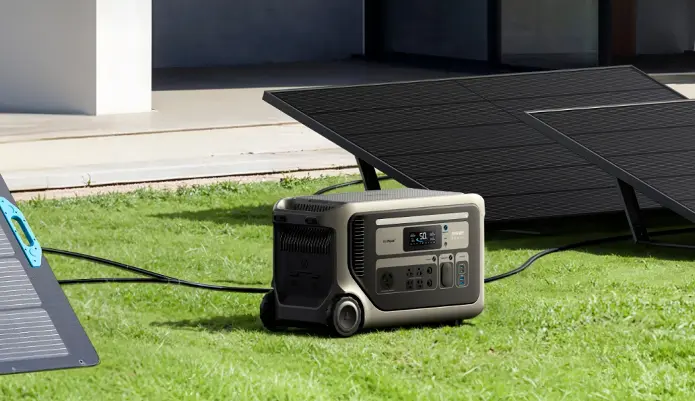
A portable solar power generator is a compact energy storage system designed to supply electricity on demand. It does not generate power on its own. Instead, it stores electricity and releases it when you plug in devices. The system captures energy from solar panels and converts it into electrical power. The energy then flows into an internal battery for storage. When you connect an appliance, the generator delivers stable power through its output ports. Most portable solar generators support multiple charging methods. Users can recharge them with sunlight, household electricity, or a vehicle outlet. This design ensures access to power even when sunlight is limited. The goal of a portable solar power generator is convenience and reliability. You carry it easily, set it up quickly, and power essential devices without noise or emissions. That simplicity makes it suitable for beginners and experienced users alike.
Key Components Explained: Battery, Inverter, Solar Panels
Every portable solar power generator includes three core components. Each plays a specific role in delivering usable electricity. The battery stores energy. Most modern units use lithium-based batteries because they last longer and weigh less. Battery capacity determines how long the generator can run your devices. The inverter converts stored energy into usable AC power. Household appliances require alternating current. A high-quality inverter ensures stable voltage and protects sensitive electronics like laptops and medical devices. Solar panels collect sunlight and convert it into electrical energy. Some generators include foldable panels, while others require separate panels. Panel efficiency affects charging speed, especially during cloudy conditions. Together, these components form a reliable system. When they work efficiently, users get steady power with minimal effort.
What Can a Portable Solar Power Generator Be Used For?
Outdoor Activities and Camping Power Needs
Outdoor enthusiasts use portable solar power generators to stay powered without sacrificing comfort. Campers rely on them to charge phones, cameras, GPS devices, and portable lights. This ensures safety and communication even in remote locations. People also use them to power small appliances. Electric coolers, coffee makers, and fans improve the camping experience. Because the generator runs silently, it does not disturb nature or nearby campers. Hikers and overlanders appreciate the lightweight design and simple setup. They can recharge the generator during the day and use stored power at night. This eliminates the need to carry extra batteries or fuel. Portable solar generators also support outdoor events. Users power speakers, projectors, and lighting systems without access to outlets. This flexibility makes them useful for festivals, picnics, and temporary work setups.
RV, Van Life, and Mobile Living Applications
People living or traveling in vehicles depend on portable solar generators for daily power. In RVs and vans, these systems supply electricity for lights, refrigerators, water pumps, and charging stations. Mobile living requires consistent and reliable power. Portable solar generators meet this need by working independently from campgrounds or hookups. Travelers recharge them during daylight hours and use power overnight. Remote workers also benefit from this setup. Laptops, monitors, and Wi-Fi equipment run smoothly without engine noise. This allows people to work from scenic locations while staying productive. For long trips, users often combine solar generators with roof-mounted or portable panels. This setup supports extended off-grid travel without fuel costs or emissions.
Who Should Use a Portable Solar Power Generator?
Homeowners Preparing for Power Outages
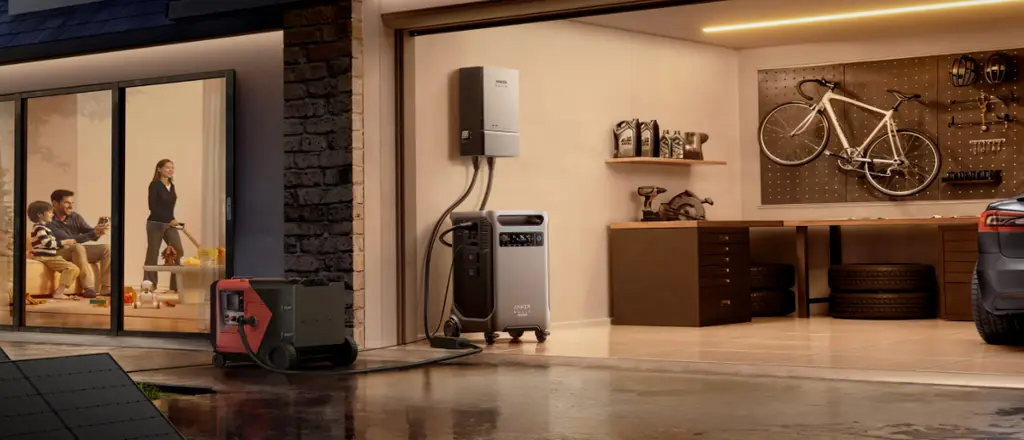
Homeowners use portable solar power generators as backup power solutions. During outages, these devices keep essential equipment running. Common uses include powering refrigerators, lights, medical devices, and communication tools. Unlike fuel generators, solar-powered units work indoors. They do not release carbon monoxide or require ventilation. This makes them safer for families, apartments, and elderly users. Setup requires little effort. Homeowners store the generator and deploy it only when needed. They recharge it afterward for future emergencies. Some people also use portable solar generators to reduce reliance on the grid. They power small devices daily and reserve grid electricity for heavy loads. This approach supports energy independence and cost control.
Professionals, Travelers, and Remote Workers
Professionals in remote locations depend on portable solar generators to stay operational. Construction crews, surveyors, and field technicians use them to power tools and measurement devices. Travelers value the ability to charge devices anywhere. Airports, campsites, and roadside stops become workable locations. This flexibility reduces stress and improves efficiency. Remote workers rely on stable power for meetings and deadlines. A portable solar generator prevents interruptions caused by unreliable electricity. It also protects sensitive electronics from voltage fluctuations. For these users, portability and reliability matter most. A well-chosen generator supports work, travel, and daily life without compromise.
Conclusion
A portable solar power generator serves as a versatile and reliable energy solution for many situations. People use it for outdoor adventures, mobile living, emergency backup, and professional work. Its clean operation and quiet performance set it apart from traditional generators. By storing energy and delivering it on demand, this system offers freedom and security. Users stay connected, powered, and prepared without fuel dependency. The ability to recharge using sunlight makes it especially valuable in off-grid and emergency scenarios. As technology improves, portable solar power generators continue to become more efficient and accessible. Whether for safety, convenience, or sustainability, their practical uses make them a smart choice for modern energy needs.
