
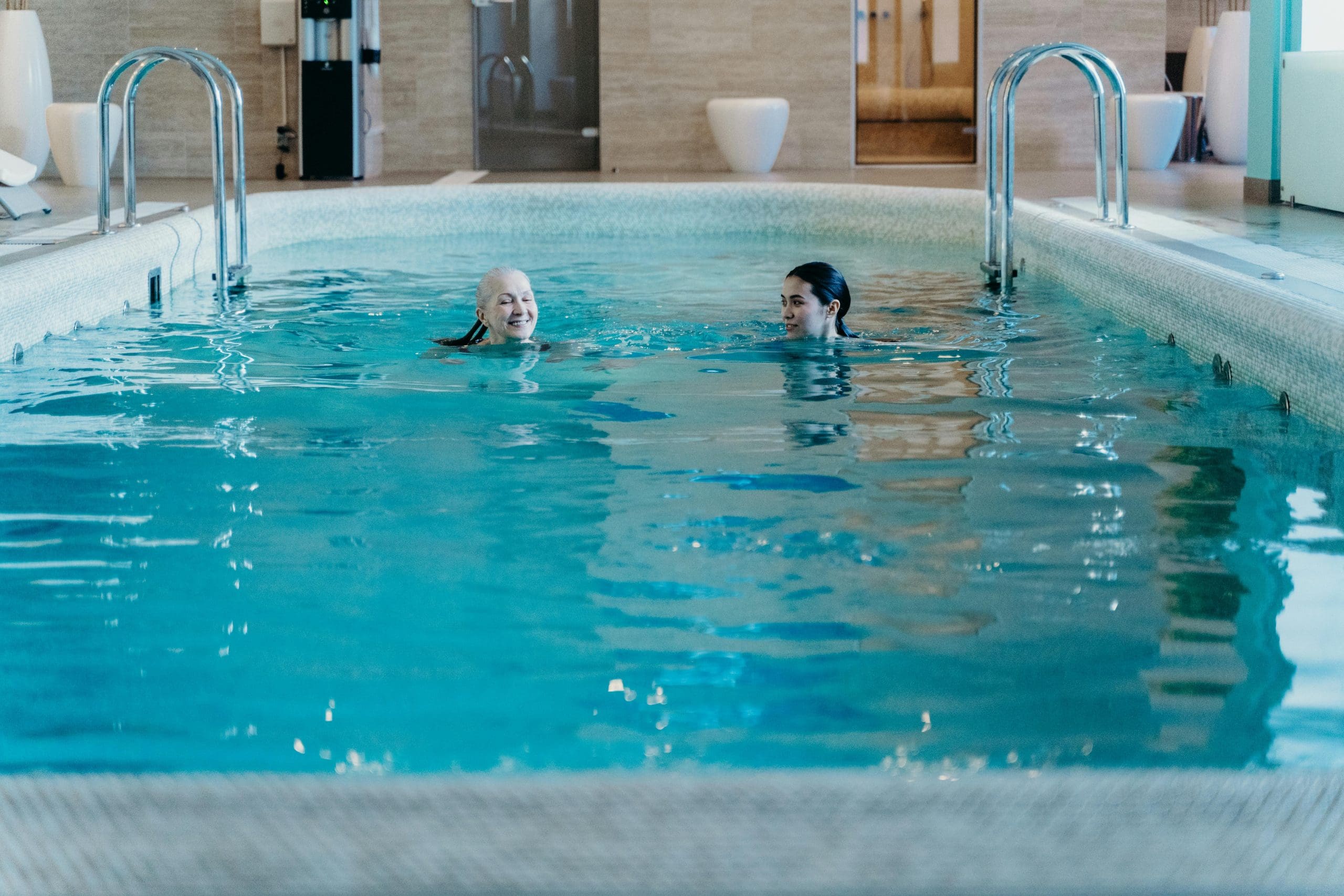
Your pool cost a fortune. Landscaping around it cost more. Now it sits there looking beautiful and feeling like an ice bath from May onwards.
Every winter, Perth families make the same expensive mistake: they wait until it’s too cold to swim before researching pool heating. Then they panic-buy the first solution that sounds reasonable.
Let me show you how to avoid becoming another regret story.
The April Panic Pattern
It happens every single year without fail. March ends, temperatures drop, and our phones start ringing off the hook.
“Can you install pool heating this week? The kids want to swim this weekend.”
Here’s the problem: everyone wants pool heating installed at exactly the same time. April through May is peak demand. Installers are booked solid. Quality systems have waiting lists. You’re looking at six to eight week delays minimum.
Desperate homeowners accept whatever’s available immediately. Wrong system for their pool. Undersized equipment. Dodgy installers with gaps in their schedule for a reason. That’s how expensive mistakes happen.
A Wanneroo family paid premium rates for rushed installation last June. The installer squeezed them in but sized the system incorrectly. Their heat pump runs constantly without reaching target temperature. Now they’re facing replacement costs within two years instead of the expected ten-year lifespan.
The Three Questions Nobody Asks Until It’s Too Late
Most people research pool heating backwards. They start with “which system?” when they should start with “how do I actually use my pool?”
Question One: When Do You Actually Swim?
Be brutally honest. Not “we’d love to swim year-round” – when will you genuinely use your pool?
Weekend warriors who swim Saturday and Sunday only have different needs than daily swimmers. Families who entertain regularly need different solutions than couples who do quiet morning laps.
A Melville customer insisted on maximum heating capacity for “year-round swimming.” Six months later, tracking showed they swam maybe twice monthly in winter. They overspent on capacity they never use. A smaller, cheaper system would’ve delivered identical results for their actual usage.
Question Two: What Temperature Actually Matters?
Everyone says they want “warm water” but that means different things to different people.
Kids tolerate 24 degrees happily. Adults prefer 26-27 degrees minimum. Older swimmers or those with circulation issues want 28-plus degrees. Each two-degree increase in target temperature significantly impacts heating costs and required system capacity.
Figure out your actual temperature preference before sizing pool heating systems. Don’t guess based on what sounds reasonable.
Question Three: What’s Your Property Setup?
Your roof situation, available ground space, electrical capacity, and proximity to neighbours all affect which systems work best.
Solar needs substantial north-facing roof space. Pool heat pumps need ground clearance and adequate airflow. Gas heating requires gas line installation. Each system has site requirements that might disqualify it regardless of performance specs.
A South Perth property had perfect north-facing roof but the owners planned major renovations within three years. Installing solar panels that would need removal and reinstallation made zero financial sense. They went with ground-based heating instead.
The Sizing Disaster That Costs Thousands
Undersized pool heating is the most expensive mistake you can make. The system runs constantly, never quite reaching target temperature, burning through electricity or gas while delivering disappointing results.
Pool volume is the starting point but not the complete picture. Exposure to wind matters enormously. Coastal properties or elevated blocks lose heat faster than sheltered inland pools. That affects required heating capacity by 20-30%.
Pool covers change everything. A simple solar blanket retains overnight warmth, meaning your heating system works half as hard the next day. Pools without covers need significantly larger systems to compensate for overnight heat loss.
A Rockingham property installed heating based purely on pool volume calculations. Their coastal location meant constant wind exposure. The system struggled to maintain temperature on breezy days. Adding 30% more capacity would’ve solved it, but now they’re stuck with undersized equipment.
The Speed Trap
Different pool heating systems heat at wildly different speeds. This matters more than most people realise until they’re hosting and the water’s too cold.
Gas heating is rapid. Takes temperature from 20 to 27 degrees in hours. Perfect for commercial pools or properties with occasional heavy usage.
Pool heat pumps heat overnight. Set it Friday evening, swim Saturday morning. Reliable but not instant.
Solar heating is slowest. Needs three to five sunny days for meaningful temperature increases. Great for maintaining temperature, poor for rapid recovery.
Match heating speed to your usage patterns. Regular swimmers need different speed than occasional weekend users.
The Running Cost Trap
Everyone obsesses over running costs. Fair enough – ongoing expenses matter. But cheap to run means nothing if the system doesn’t deliver the swimming experience you want.
Solar has zero running costs but only works well in specific conditions. Brilliant for seasonal swimmers with ideal roof setup. Disappointing for year-round swimmers wanting consistent warmth.
Pool heat pumps cost money to run but deliver consistent results regardless of weather. You’re paying for reliability and convenience.
Gas heating costs the most to run but heats fastest. You’re paying for speed.
A Gosnells customer chose solar purely because running costs were zero. His family swam maybe eight times through winter because temperature stayed disappointingly cool. After calculating cost per actual swim, the “free” heating was more expensive per use than paid alternatives would’ve been.
The Installer Quality Problem
Pool heating installation quality varies dramatically across Perth. Dodgy installations cause problems that don’t show up until months later.
Improper electrical connections reduce efficiency and create safety risks. Poor plumbing integration causes leaks. Incorrect positioning affects performance. Cheap installations often use substandard materials that fail prematurely.
Licensed electricians and gas fitters cost more but deliver installations that actually work properly for their expected lifespan. We’ve fixed countless botched installations where homeowners saved a few hundred dollars upfront then spent thousands fixing problems.
Check credentials before hiring anyone. HIA membership, proper licensing, insurance coverage, verifiable references from recent Perth installations. Anyone hesitating to provide these details is waving red flags.
The Timing Strategy That Saves Money
Smart Perth homeowners plan pool heating installation during summer. January through March is off-peak season for installers.
You get better pricing. No waiting lists. Installers have time to do the job properly rather than rushing between panic bookings. Equipment suppliers have full stock rather than backorder delays.
Plus your system is installed and tested during warm weather when pool problems are easier to diagnose. By the time April rolls around and everyone else is panicking, you’re already swimming in perfectly heated water.
A Karrinyup family installed heating in February. Got better pricing than their neighbours who waited until May. Had their pick of equipment options rather than accepting whatever was available. Their system was fully tested and optimised before winter even started.
The Warranty Trap Nobody Reads
All pool heating systems come with warranties. Few people actually read the fine print until something breaks.
Some warranties exclude labour costs. You get free parts but pay hundreds for installation. Other warranties require annual professional servicing or coverage becomes void. Some warranties only cover manufacturing defects, not performance issues.
Extended warranties sound impressive until you realise they’re insurance policies with premiums built into the purchase price. Standard manufacturer warranties often provide equivalent coverage without the markup.
Read warranties before buying. Understand exactly what’s covered, for how long, and what conditions apply. A ten-year warranty that excludes labour and requires annual servicing might be less valuable than a five-year comprehensive warranty with no conditions.
What Actually Matters
Pool heating isn’t about buying the cheapest system or the one with the best marketing. It’s about matching equipment to your specific swimming patterns, property setup, and temperature expectations.
The right system for your neighbour might be completely wrong for you. The cheapest option often costs more long-term through disappointing performance and premature replacement.
Stop Guessing About Your Pool
You could spend weeks reading online reviews and watching YouTube videos made by people who’ve never installed heating systems in Perth conditions.
Or you could talk to someone who’s installed every type of pool heating across every Perth suburb for three decades.
We’ll assess your pool, understand your usage patterns, explain what each system actually delivers for your situation, and show you honest pricing without sales pressure.
Book your free assessment at poolheatingsolutionswa.com.au. Available seven days, 7am-7pm, including public holidays.
Don’t make an $8,000 mistake because you waited until April to start researching. Get it sorted now while you have time to make the right decision, not the desperate one.