
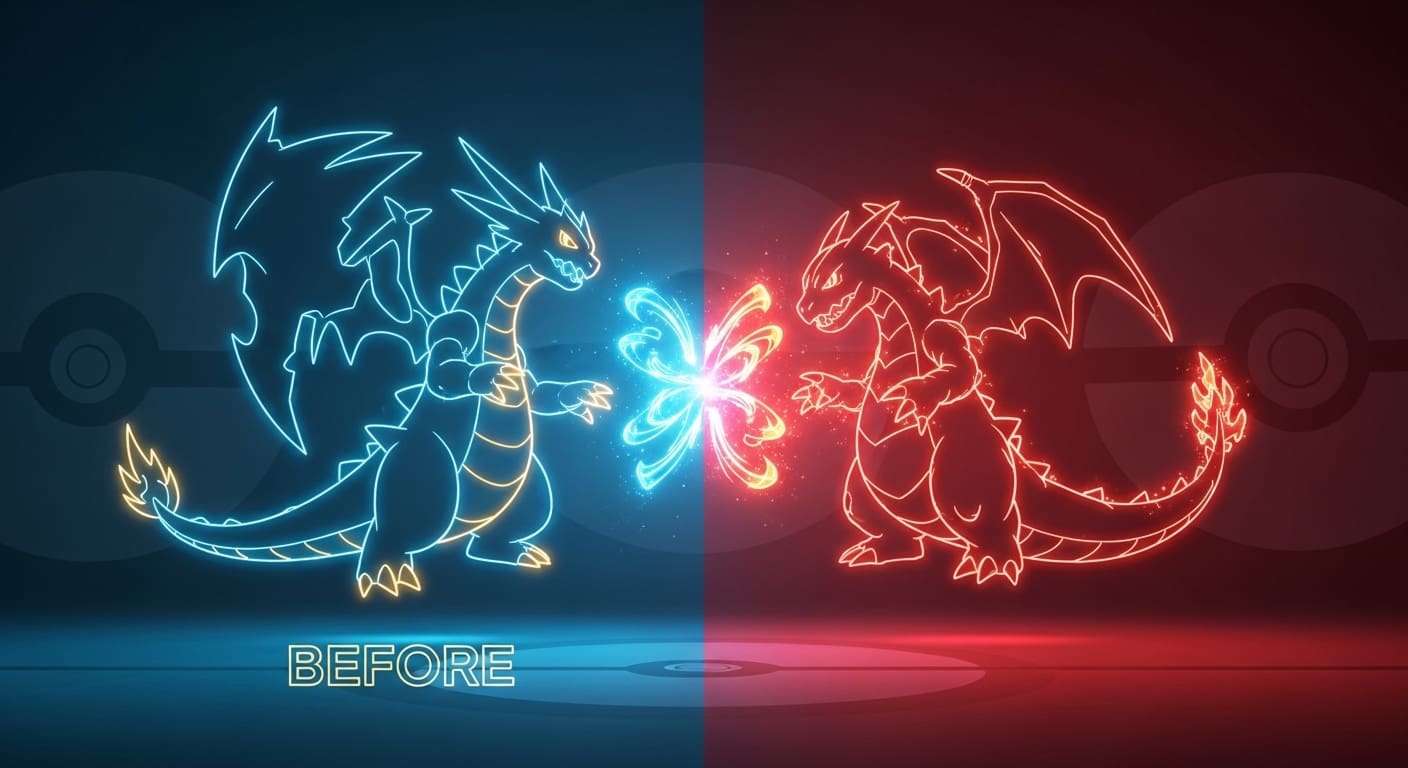
Pokémon fusions excite fans because they mix two familiar creatures into one brand-new design. People imagine new looks, new types, and new battle strategies. Artists draw them, gamers build teams around them, and creators make whole fan projects about them. Fusion ideas also help people learn Pokémon strengths and weaknesses in a fun way. When you explore fusions, you explore creativity and strategy at the same time.
In this guide, you will learn what Pokémon fusions are, why they became popular, how fans design them, and how you can enjoy fusion content responsibly. You will also learn common fusion “rules,” simple design tips, and examples that show how fusions can change a battle plan. I write everything in easy English and active voice so you can read it quickly and clearly.
What Are Pokémon Fusions?
A Pokémon fusion combines two Pokémon into one new character. The fused Pokémon usually takes features from both “parent” Pokémon. For example, a fusion might use the head shape of one Pokémon and the body shape of another. It might blend colors, patterns, wings, tails, or armor-like parts.
Fans create most fusions. You can find fusion art, fusion sprite packs, and fusion-themed fan projects online. Some fusions look cute and simple. Others look powerful and complex, like a final boss in an RPG. People enjoy fusions because they feel new and familiar at the same time.
Fusions can be only visual, but fans also give them gameplay ideas. They often assign a type combination, abilities, stats, and moves. When creators do this well, the fusion feels like it belongs in the Pokémon world.
Why Pokémon Fusions Became So Popular
Pokémon fusions became popular for three big reasons: creativity, nostalgia, and challenge.
- Creativity: Fusions give you endless combinations. With hundreds of Pokémon, you can create thousands of new mix ideas.
- Nostalgia: Fans love classic Pokémon. When you fuse two favorites, you keep the memory and add a surprise twist.
- Challenge: Fusion concepts change how you think about battles. A fusion can suggest new typing, new roles, and new team plans.
Social media boosts fusion popularity too. Fusion art grabs attention fast because you understand it in one glance. You instantly ask, “What Pokémon made this?”
How Fusion Designs Usually Work
Fusion design works best when the creator follows clear patterns. Many fan artists use simple methods that make the fusion easy to “read”:
- Head + body method: One Pokémon provides the head and face. The other provides the body and stance.
- Split trait method: One Pokémon provides major features (like wings). The other provides colors, patterns, and smaller traits.
- Theme blending: The creator merges ideas like ghost + flower or robot + shark into one strong concept.
Great fusion designs stay balanced. They do not stack every feature from both parents. They pick a few strong details and make them stand out.
Fusion Typing: How Fans Choose Types
Typing makes fusions more interesting because types decide weaknesses and resistances. Fans usually choose types in one of these ways:
- Keep the main idea of both parents: The fusion becomes the type pair that best represents them.
- Pick one type from each parent: The fusion keeps one type from Pokémon A and one from Pokémon B.
- Choose the most logical result: If one Pokémon clearly changes the theme, the fusion type follows that theme.
When you create a fusion type, you should check the type chart. A fusion can become too strong if it removes important weaknesses without gaining new ones. A balanced fusion keeps clear counters, so battles stay fun.
Fusion Abilities and Moves (Simple, Fair, and Fun)
Fans often choose abilities and moves based on what “feels right.” You can keep things fair with a few rules:
- Ability rule: Pick one ability from either parent, or invent a new one that matches the shared theme.
- Move rule: Give signature moves only when the fusion design supports them.
- Balance rule: Avoid stacking too many strong effects at once.
If you fuse a speedy Pokémon with a heavy tank Pokémon, you should not give it top speed and top defense. You can compromise instead. For example, you can give it medium speed, strong defense, and a move set that rewards smart switching.
What Makes a Fusion Look “Real”?
A fusion looks real when it matches Pokémon design style. Strong Pokémon designs usually have:
- A clear silhouette: You recognize the shape fast.
- A strong theme: You understand the concept in one glance.
- Simple big shapes: The design avoids messy clutter.
- A memorable face: The eyes and expression show personality.
If you want your fusion to feel official, keep the art style consistent. Use clean lines, a limited color palette, and simple shading. If you make pixel art, keep the outline and shading style consistent with the sprite set you use.
Popular Fusion Themes Fans Love
Some fusion themes appear again and again because they work well:
- Dragon + anything: Dragons instantly feel epic, even with small changes.
- Cute + scary: This contrast creates humor and surprise.
- Element mixing: Fire + Ice, Water + Electric, Grass + Poison.
- Animal + machine: Organic shapes plus mechanical parts look bold and modern.
- Myth + nature: Ghost forests, cosmic birds, volcanic wolves.
These themes help creators start fast. They also help viewers understand the fusion without extra explanation.
Using a pokemon fusion generator for Quick Ideas
Many fans use a pokemon fusion generator when they want instant inspiration. A generator can help you explore “what if” combinations without drawing anything first. You can also use it as a prompt tool for art, stories, fakemon teams, or social posts.
One example is PokemonFusionGen.com. The site describes itself as a simple pokemon fusion generator that helps you create fusion ideas in seconds. It lets you go fully random for surprise results or build a fusion on purpose when you have a plan. It also explains that a pokemon fusion generator combines two Pokémon concepts into one new fusion idea and can blend traits like shape, mood, and signature features (like horns, wings, flames, or armor).
If you use a generator, you can get better results with a simple process:
- Pick a theme first (storm, ocean, volcano, night, guardian).
- Generate 10–20 mixes quickly and save the best 2–3.
- Decide the fusion’s role (fast attacker, tank, healer, trickster).
- Refine the design by removing extra details and keeping one “hero feature.”
This method turns random results into strong creative concepts.
Fusion Examples (Concept-Level) and Why They Work
You can learn a lot from simple concept examples. You do not need exact stats to understand why a fusion feels good.
- A fast electric cat + a dark stealth fox: This fusion works as a hit-and-run attacker. It uses speed to strike first and escape. It also pressures water and flying types in many fan-made battle ideas.
- A stone golem + a grass dinosaur: This fusion looks like an ancient guardian covered in vines. It fits a defense role and supports team play (hazards, blocking, slow recovery).
- A ghost candle + a steel sword: This fusion becomes a haunted weapon concept. The theme stays clear, so the typing and moves feel natural.
These examples succeed because the design, type idea, and battle role all match one theme.
How to Create Your Own Fusion (Step-by-Step)
You can create a fusion even if you feel “not artistic.” You just need a plan.
- Pick two Pokémon with a shared link. Choose both birds, both sea creatures, or both “blade” designs.
- Choose the mood. Decide if the fusion feels cute, scary, heroic, or funny.
- Select 3–5 key features. Pick horns, wings, claws, or a color pattern. Keep it simple.
- Draw the silhouette first. Big shapes come before details.
- Add the face and expression. The face sells the personality.
- Choose a type that fits the theme. Check weaknesses so it stays fair.
- Write a short Pokédex-style line. Add habitat, behavior, and a signature habit.
When you follow steps, you finish faster and create fusions that feel clean and believable.
Common Fusion Mistakes (And Fast Fixes)
Creators often repeat a few mistakes, but you can fix them quickly:
- Too many parts: Remove extra spikes, extra wings, or extra tails. Keep one strong “main detail.”
- Confusing theme: Decide what the fusion is about, then cut anything that fights that concept.
- Unbalanced typing: Give it at least one clear weakness or lower its resistances in your concept.
- Overpowered move sets: Limit strong moves or add drawbacks, like recoil or lower accuracy.
You do not need perfection. You need clarity, fun, and a fusion that makes sense.
Why Pokémon Fusions Will Stay Popular
Pokémon fusions will stay popular because they give fans a space to create. People love “what if” ideas. They love sharing art and comparing concepts. They also enjoy building unique teams for fan challenges. As long as Pokémon stays popular, fusion culture will continue.
Fusions also help new fans learn the series. When someone asks why a fusion looks strong, another fan explains typing, abilities, and design. That turns cool art into easy learning.
Final Thoughts
Pokémon fusions mix creativity and strategy in a fresh way. They let you remix favorites, explore new themes, and understand matchups through imagination. You can use a pokemon fusion generator like PokemonFusionGen.com to spark fast ideas, then refine them with clear design choices. If you create your own fusion, start simple, keep the theme strong, and make the silhouette readable.
Summary: Fusions work because they combine familiar Pokémon, strong themes, and fun “what if” strategy. A pokemon fusion generator can speed up inspiration, but your design choices make the fusion memorable.