
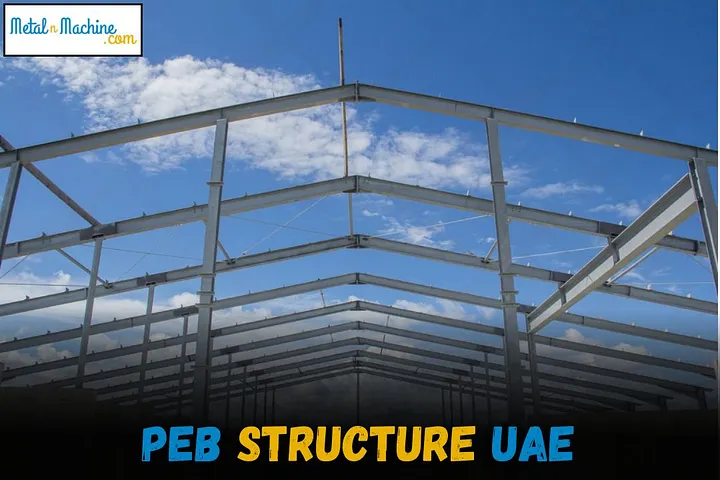
The UAE construction sector is one of the most active in the world. From sprawling logistics hubs to industrial zones expanding across the desert, builders need solutions that are fast, durable, and cost-effective. That is exactly where PEB structure UAE projects have taken center stage.
Pre-engineered buildings are factory-fabricated steel systems designed for rapid on-site assembly. They have become the preferred choice for warehouses, aircraft hangars, factories, and commercial complexes across the Emirates. In this article, you will learn why this construction method leads the market, which materials make it reliable, and what to expect when planning your next large-scale build.
What Makes a PEB Structure the Right Choice for UAE Projects?
Large-scale construction in the UAE demands precision. Projects often run on tight timelines, operate in extreme heat, and must meet strict municipal codes. A pre engineered building system in UAE addresses all three challenges by shifting most fabrication work to a controlled factory environment.
Components arrive at the site already cut, drilled, and ready for bolt-together assembly. This significantly reduces on-site labour time and minimises errors that typically arise from field fabrication.
Key advantages include:
- Speed of delivery: From design approval to structure completion, timelines are often 30–50% shorter compared to conventional construction.
- Design flexibility: Clear-span interiors of up to 90 metres are achievable without internal columns, ideal for warehouses and manufacturing plants.
- Load precision: Engineers calculate every beam and connection for the exact dead loads, live loads, and wind pressures specific to the UAE environment.
- Scalability: Future expansion panels can be added without demolishing existing walls, a critical benefit for growing businesses.
The result is a structure built with fewer surprises and better budget control.
How Do PEB Systems Handle the UAE’s Harsh Climate?
Anyone working in construction across the UAE understands the stress that intense heat, humidity near coastal areas, and occasional dust storms place on building materials. A quality peb structure uae project accounts for these conditions from the design stage.
Steel Coatings and Protective Layers
Steel frames are treated with high-performance primers and topcoats that resist oxidation in hot, saline environments. The roof and wall cladding system plays an equally important role.
Corrugated sheet UAE suppliers provide profile steel panels that are formed to maximise structural rigidity while minimising material weight. The corrugated profile creates natural stiffness along the sheet’s length, allowing it to span between purlins without buckling under thermal expansion.
For the base material of these panels, quality starts at the steel coil level. Galvanized coil in UAE production involves coating steel with a layer of zinc, which acts as a sacrificial barrier against rust. When galvanized coil is used as the substrate for roof and wall panels, the building envelope gains long-term corrosion resistance suited for coastal and desert conditions alike.
Together, the engineered frame, corrugated cladding, and galvanized substrate create a system that performs reliably across the UAE’s demanding climate zones.
What Roles Do Corrugated Sheet and Galvanized Coil Play in the Assembly?
It is worth looking more closely at how these two materials integrate into the completed building.
Corrugated Sheet Applications
Corrugated sheet UAE products are used primarily in three areas:
- Roof decking: Panels run from ridge to eave, shedding rainwater while providing a rigid surface for insulation layers above or below.
- Wall cladding: Vertical or horizontal installation creates the building’s weather-resistant exterior skin.
- Mezzanine decking: Heavier gauge corrugated profiles serve as structural floor decking for intermediate levels inside large PEB facilities.
Galvanized Coil as the Foundation Material
Before corrugated panels are roll-formed, they start as coils of flat sheet steel. Galvanized coil in UAE facilities is produced by passing steel strip through a continuous hot-dip galvanizing line, where molten zinc bonds to the surface at a molecular level.
The thickness of the zinc coating—measured in grams per square metre—directly affects the panel’s expected service life. Projects near the coast or in high-humidity industrial zones typically specify higher coating weights to compensate for accelerated corrosion potential.
Using quality galvanized coil as the base ensures that the finished corrugated panels maintain their protective properties long after installation, reducing maintenance costs over the building’s lifetime.
How Does the PEB Design Process Work for Large-Scale UAE Projects?
Understanding the design workflow helps project owners set realistic expectations and avoid costly changes mid-project.
Stage One: Conceptual Scoping
The engineer collects site data including soil bearing capacity, prevailing wind direction, seismic zone classification, and the intended use of each building area. UAE projects typically fall under loads specified by local civil authorities, and the design software incorporates these parameters automatically.
Stage Two: Structural Analysis and Detailing
Using dedicated software, the engineering team sizes every primary frame member, secondary structural element, and connection plate. The output is a complete set of approval drawings and a bill of materials that can go directly to the fabrication shop.
Stage Three: Fabrication and Quality Control
All primary steel is cut, welded, and inspected in the factory. Non-destructive testing methods verify weld quality on critical connections. Secondary components such as purlins, girts, and the corrugated sheet panels are also produced or sourced during this stage.
Stage Four: Site Erection
A trained crew bolts the primary frames into place, followed by secondary framing, bracing, and finally the cladding system. Because tolerances are controlled in the factory, site adjustments are minimal.
This disciplined process makes the pre engineered building system in UAE a reliable foundation for any large-scale development.
Why Is PEB Construction Gaining Ground Across UAE Sectors?
Adoption has accelerated well beyond traditional warehousing. Today, peb structure UAE applications span a wide range of sectors.
Logistics and e-commerce: Distribution centres require vast, column-free floor areas with dock doors on multiple walls. PEB systems deliver exactly this layout with structural reliability.
Aviation and aerospace MRO: Hangars must accommodate aircraft wingspans that exceed 60 metres. Pre-engineered clear-span frames handle these spans while meeting aviation authority load requirements.
Food and beverage manufacturing: Insulated panel systems that incorporate galvanized corrugated cladding maintain temperature-controlled environments without the thermal bridging problems common in conventional concrete structures.
Data centres: Speed of construction is critical when technology timelines are tight. PEB systems allow data centre shells to be completed and handed over to fit-out contractors months ahead of masonry alternatives.
Education and community facilities: Gymnasiums, assembly halls, and multipurpose community buildings benefit from PEB’s span capability and cost predictability.
Across all these uses, the common thread is the need for large, adaptable internal spaces delivered on time and within budget—a combination that conventional construction consistently struggles to match.
Conclusion
The growth of large-scale construction across the Emirates is unlikely to slow. Infrastructure investment, free-zone expansion, and logistics demand continue to drive new projects every year. In this environment, PEB structure UAE solutions offer a proven, efficient path from design to occupancy.
The system succeeds because every element works together: precision-engineered frames, corrugated sheet UAE cladding panels, and galvanized coil substrates that resist the region’s climate from day one. Add in the speed of the pre engineered building system in UAE approach, and it becomes clear why developers, contractors, and end users continue to choose this method for their most ambitious builds.
Whether you are planning a logistics hub, an industrial facility, or a commercial complex, understanding how PEB technology works gives you a stronger foundation for confident decision-making.
Frequently Asked Questions
What is a PEB structure in UAE, and how does it differ from conventional construction?
A PEB structure in UAE is a factory-fabricated steel building system where components are engineered and manufactured off-site, then bolted together on location. Unlike conventional construction, most fabrication happens before the crew arrives, which reduces build time, waste, and on-site errors significantly.
Why is galvanized coil important for PEB roof and wall panels in UAE?
Galvanized coil in UAE serves as the base material for corrugated cladding panels. The zinc coating bonds to steel during manufacturing, creating a corrosion-resistant barrier that protects the panels from humidity, heat, and saline coastal air throughout the building’s service life.
How does corrugated sheet improve the performance of a PEB building envelope?
Corrugated sheet UAE products add structural stiffness to roof and wall panels through their formed profile, allowing them to span between supports without excessive deflection. This shape also helps direct rainwater away from the building while keeping panel weight low.
Is a pre engineered building system in UAE suitable for large industrial projects?
Yes. A pre engineered building system in UAE is designed specifically for large-scale applications including warehouses, factories, hangars, and logistics centres. Clear spans of up to 90 metres are achievable, and modular design allows future expansion without major structural modifications to the existing frame.
