
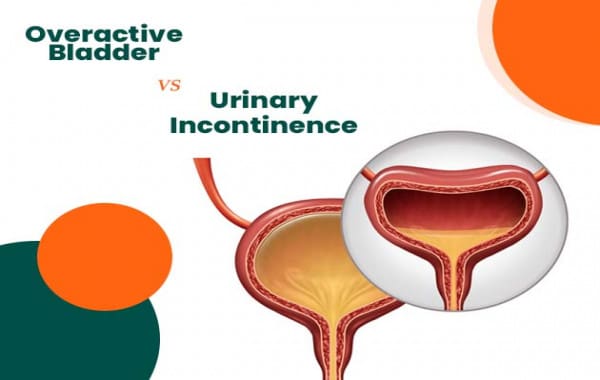
What is an Overactive Bladder?
Overactive bladder (OAB) is a condition characterized by a sudden, uncontrollable urge to urinate. It’s a storage problem, meaning your bladder is telling your brain it’s full when it actually isn’t.
The International Continence Society defines OAB as:
“Urinary urgency, usually accompanied by frequency and nocturia, with or without urgency urinary incontinence, in the absence of urinary tract infection or other obvious pathology.”
Two Conditions, One Embarrassing Problem
You’re in the middle of an important meeting, and suddenly you feel an overwhelming urge to urinate so powerful you can barely concentrate on anything else. Or perhaps you laugh at a friend’s joke and feel a small leak that leaves you mortified. If either scenario sounds familiar, you’re not alone.
While often used interchangeably, these are distinct diagnoses with different underlying causes, symptoms, and treatment approaches. Understanding the difference between overactive bladder and urinary incontinence is the first step toward finding effective relief and reclaiming your quality of life.
The Four Core Symptoms of Overactive Bladder
| Symptom | Description |
| Urgency | A sudden, compelling desire to urinate that is difficult to delay |
| Frequency | Urinating more than 8 times in 24 hours |
| Nocturia | Waking to urinate two or more times during the night |
| Urgency incontinence | Leakage that occurs immediately following the urgent need to urinate (though not everyone with OAB experiences leakage) |
How Common Is Overactive Bladder?
- Affects approximately 12% of adults worldwide
- Prevalence increases with age, up to 30% of older adults experience OAB symptoms
- Affects both men and women, though slightly more common in women
- Often underreported, many people believe it’s a “normal” part of aging
What Causes Overactive Bladder?
OAB occurs when the detrusor muscle (the muscle that surrounds the bladder) contracts involuntarily, even when the bladder isn’t full. Contributing factors include:
- Neurological disorders: Stroke, multiple sclerosis, Parkinson’s disease
- Bladder abnormalities: Tumors, bladder stones
- Age-related changes: Reduced bladder capacity with aging
- Enlarged prostate (in men): Benign prostatic hyperplasia can irritate the bladder
- Hormonal changes (in women): Menopause-related estrogen decline
- Lifestyle factors: Excessive caffeine or alcohol consumption
- Medications: Certain diuretics and other drugs
What Is Urinary Incontinence?
Urinary incontinence (UI) is a broader term that describes any involuntary loss of urine. Unlike OAB, which is a specific set of symptoms, incontinence is an umbrella term covering several distinct types of leakage.
The Main Types of Urinary Incontinence
1. Stress Incontinence
This is a leakage that occurs with physical activity that increases abdominal pressure. Common triggers include:
- Coughing, sneezing, laughing
- Lifting heavy objects
- Exercise (running, jumping)
- Standing up from a seated position
Cause: Weak pelvic floor muscles or a weak urethral sphincter that can’t hold urine in when pressure increases.
2. Urge Incontinence
This is the type of leakage associated with an overactive bladder that occurs immediately following a sudden, intense urge to urinate.
Cause: Involuntary detrusor muscle contractions.
3. Mixed Incontinence
As the name suggests, this involves both stress and urge incontinence. It’s actually the most common type of incontinence in women, affecting approximately one-third of women with incontinence.
4. Overflow Incontinence
This occurs when the bladder doesn’t empty, leading to constant dribbling or frequent small leaks. It’s more common in men, often due to an enlarged prostate.
Cause: Bladder outlet obstruction or weak detrusor muscle contractions.
5. Functional Incontinence
Leakage occurs because physical or cognitive barriers prevent reaching the toilet in time, even though the urinary system itself is normal.
Cause: Arthritis, dementia, mobility limitations, or environmental barriers.
How Common Is Urinary Incontinence?
- Affects up to 50% of women at some point in their lives
- Affects 10-25% of men
- Prevalence increases with age, but it’s not a normal part of aging
- Only 25-50% of affected individuals seek medical help
Overactive Bladder vs Urinary Incontinence
Understanding the distinction between these conditions is crucial for proper diagnosis and treatment.
| Feature | Overactive Bladder (OAB) | Urinary Incontinence (UI) |
| Definition | A specific symptom syndrome | An umbrella term for any involuntary urine loss |
| Primary Symptom | Urgency (sudden, compelling need to urinate) | Varies by type (leakage with activity, urge, constant dribbling) |
| Leakage | May or may not occur | Always involves some degree of leakage |
| Types | OAB “dry” (no leakage) or OAB “wet” (with urgency incontinence) | Stress, urge, mixed, overflow, functional |
| Underlying Cause | Involuntary detrusor contractions | Varies: weak pelvic floor, nerve dysfunction, obstruction, etc. |
| Treatment Focus | Bladder training, medications to relax the bladder | Depends on type may include pelvic floor therapy, surgery, or medications |
The Simple Distinction
Think of it this way:
- Urinary incontinence describes what happens when you leak urine involuntarily.
- Overactive bladder describes why it might happen your bladder muscle contracts when it shouldn’t.
A person can have:
- Overactive bladder without incontinence (OAB dry)
- Overactive bladder with incontinence (OAB wet)
- Urinary incontinence without overactive bladder (e.g., stress incontinence from weak pelvic floor muscles)
Risk Factors for Both Conditions
Understanding your risk factors can help with prevention and early intervention.
Shared Risk Factors
| Risk Factor | Chronic cough increases the risk of stress incontinence |
| Age | Both conditions become more common with age |
| Gender | Women: higher risk of stress incontinence; Men: higher risk of overflow incontinence from prostate issues |
| Obesity | Excess weight increases abdominal pressure and bladder strain |
| Pregnancy/Childbirth | Vaginal delivery significantly increases incontinence risk |
| Menopause | Estrogen decline weakens urethral tissues |
| Neurological conditions | Stroke, MS, Parkinson’s affect bladder control |
| Smoking | Chronic cough increases stress incontinence risk |
Lifestyle Factors That Worsen Symptoms
- Caffeine: Acts as a bladder irritant and diuretic
- Alcohol: Increases urine production and impairs sensation
- Carbonated beverages: Can irritate the bladder
- Acidic foods: Tomatoes, citrus fruits may trigger urgency
- Constipation: Stool in the rectum can press on the bladder
- Certain medications: Diuretics, some antidepressants, sedatives
How Doctors Tell the Difference?
If you’re experiencing bladder control issues, a healthcare provider like MedTree will perform a thorough evaluation to determine exactly what’s causing your symptoms.
What to Expect During Evaluation?
1. Medical History
Your doctor will ask about:
- When symptoms started and how they’ve progressed
- How often you urinate (day and night)
- When leakage occurs (with activity, with urgency, constantly)
- Fluid intake (especially caffeinated or alcoholic beverages)
- Medications you’re taking
- Pregnancy and childbirth history (for women)
- Prostate history (for men)
2. Bladder Diary
You may be asked to keep a voiding diary for 3-7 days, recording:
- When and how much you drink
- When and how much you urinate
- When leakage occurs and what you were doing
- How many times do you wake at night to urinate
3. Physical Examination
- Pelvic exam (women): Assesses pelvic organ prolapse and pelvic floor muscle strength
- Prostate exam (men): Evaluates prostate size and texture
- Neurological exam: Checks nerve function affecting bladder control
4. Urinalysis and Urine Culture
Rules out urinary tract infection, blood in urine, or other abnormalities that could cause similar symptoms.
5. Post-Void Residual Measurement
Using an ultrasound or a catheter, this test measures how much urine remains in the bladder after urinating. High residual volumes suggest overflow incontinence.
6. Urodynamic Testing (if needed)
Specialized testing that measures bladder pressure and function during filling and emptying. This is typically reserved for complex cases or before surgery.
Finding the Right Approach
Treatment differs significantly depending on whether you have an overactive bladder, stress incontinence, or another type of incontinence.
Treatment for Overactive Bladder
First-Line: Behavioral Therapies
| Intervention | Description |
| Bladder training | Gradually increasing time between bathroom visits to “retrain” the bladder |
| Pelvic floor exercises | Strengthening muscles that support the bladder |
| Fluid management | Reducing caffeine, alcohol, and carbonated beverages |
| Timed voiding | Urinating on a schedule rather than waiting for urge |
Second-Line: Medications
Anticholinergics and beta-3 agonists work by relaxing the detrusor muscle. Common options include:
- Oxybutynin (Ditropan, Oxytrol)
- Tolterodine (Detrol)
- Mirabegron (Myrbetriq)
Note: Anticholinergics can cause side effects, including dry mouth, constipation, and cognitive issues in older adults.
Third-Line: Advanced Therapies
- Intravesical botulinum toxin (Botox): Injected into the bladder muscle to relax it. Effects last 6-9 months.
- Sacral neuromodulation: A device implanted near the sacral nerve to regulate bladder signals.
- Posterior tibial nerve stimulation: Electrical stimulation of the tibial nerve to reduce bladder overactivity.
Treatment for Stress Incontinence
First-Line: Conservative Therapies
- Pelvic floor physical therapy: Strengthening exercises supervised by a specialist
- Pessary: A removable device inserted into the vagina to support the bladder
- Weight loss: Significant improvement with 5-10% body weight reduction
Second-Line: Surgical Options
- Sling procedures: A mesh sling is placed under the urethra to provide support
- Burch colposuspension: Surgical lifting of tissues around the bladder neck
- Bulking agents: Injectable materials that thicken the urethral wall
Treatment for Mixed Incontinence
Mixed incontinence requires addressing both components, typically starting with treating the most bothersome symptom. Treatment often combines:
- Pelvic floor therapy (benefits both types)
- Bladder training for urge symptoms
- Possible surgical correction for the stress component after OAB symptoms are controlled
Lifestyle Modifications That Help Both Conditions
Regardless of whether you have an overactive bladder or urinary incontinence, these lifestyle changes can significantly improve symptoms.
Dietary Adjustments
Consider limiting or eliminating:
- Caffeine (coffee, tea, soda, chocolate)
- Alcohol
- Carbonated beverages
- Artificial sweeteners
- Acidic foods (citrus, tomatoes)
- Spicy foods
Try increasing:
- Water (adequate hydration actually helps, just time it appropriately)
- Fiber-rich foods to prevent constipation
Physical Strategies
- Maintain a healthy weight: Each 1-point increase in BMI raises incontinence risk by 3-7%
- Stay active, but choose low-impact activities if stress incontinence is an issue
- Quit smoking: Chronic cough worsens stress incontinence
- Manage constipation: Straining puts pressure on pelvic floor muscles
When to See a Doctor?
Don’t let embarrassment delay care. Schedule an appointment if:
- Bladder symptoms interfere with daily activities
- You’re avoiding social situations due to fear of leakage
- You wake two or more times per night to urinate
- Symptoms are worsening
- You experience pain with urination or see blood in your urine
- You have a history of pelvic surgery, radiation, or a neurological condition
Remember: Bladder control problems are treatable. Most people see significant improvement with appropriate treatment.
Frequently Asked Questions
Is an overactive bladder the same as urinary incontinence?
No. Overactive bladder is a specific condition involving urgency, frequency, and often nocturia. Urinary incontinence is a broader term for any involuntary urine loss.
What is the most common type of incontinence in women?
Stress incontinence is most common in younger women, while mixed incontinence (both stress and urge) becomes more common with age.
Can an overactive bladder be cured?
For many people, symptoms can be significantly improved or resolved with treatment. While some underlying causes may not be “curable,” most patients achieve meaningful symptom control through behavioral therapy, medication, or advanced interventions.
What is the best treatment for an overactive bladder?
The “best” treatment depends on your specific symptoms, underlying causes, and preferences. Bladder training and pelvic floor exercises are effective first-line options with no medication side effects.
How do I know if I have stress or urge incontinence?
- Stress incontinence: Leakage with coughing, sneezing, laughing, exercise
- Urge incontinence: Leakage following a sudden, overwhelming urge to urinate
A bladder diary helps distinguish between these patterns.
Can men have an overactive bladder?
Yes. Overactive bladder affects both men and women. In men, it’s often associated with benign prostatic hyperplasia (BPH), which can irritate the bladder and cause similar symptoms.
What is the difference between OAB wet and OAB dry?
- OAB dry: You experience urgency, frequency, and nocturia, but do NOT leak urine
- OAB wet: You experience urgency, frequency, and nocturia AND have episodes of urgency incontinence
Both are forms of overactive bladder and are treated similarly.
Is urinary incontinence a normal part of aging?
No. While risk increases with age, incontinence is not inevitable. It always warrants evaluation, as effective treatments are available at any age.
Pros and Cons of Common Treatments
Overactive Bladder Medications
| Pros | Cons |
| Effective for many patients | Side effects: dry mouth, constipation, cognitive issues |
| Convenient oral dosing | May not work for everyone |
| Covered by most insurance | Long-term use requires monitoring |
| Multiple options available | May interact with other medications |
Pelvic Floor Physical Therapy
| Pros | Cons |
| No medication side effects | Requires commitment and practice |
| Requires access to a trained specialist | May take weeks to see improvement |
| Benefits both OAB and stress incontinence | Requires access to trained specialist |
| Sustainable long-term solution | Some insurance limitations |
Botox for Overactive Bladder
| Pros | Cons |
| Highly effective | Requires repeat injections (every 6-9 months) |
| Works when medications fail | Risk of urinary retention (may require self-catheterization) |
| Covered by many insurance plans | Invasive office procedure |
| Durable response | Temporary effect |
Stress Incontinence Surgery (Sling)
| Pros | Cons |
| High success rates (85-95%) | Surgical risks (infection, bleeding) |
| Permanent solution | Mesh-related complications (rare but serious) |
| One-time procedure | May need future revisions |
| Covered by most insurance | Not appropriate for all patients |
Conclusion
Understanding the difference between overactive bladder and urinary incontinence is the foundation of effective treatment. While these conditions share some symptoms, they require different approaches, and getting the right diagnosis is essential for relief.