

Otterpack’s inclusion in the U.S. Army’s MSSPIX prestige program highlights how a niche, Israeli-developed technology has become a global standard for expeditionary water independence across defense and homeland security organizations.
MSSPIX and the U.S. Army
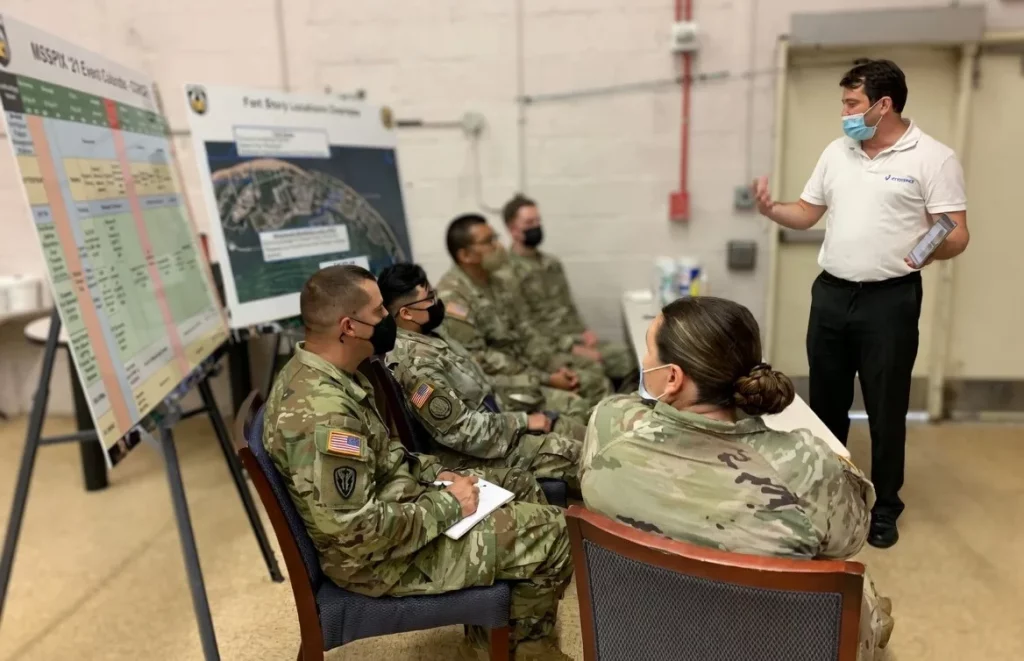
The Maneuver Support, Sustainment, and Protection Integration Experiments (MSSPIX) is a U.S. Army initiative that brings emerging technologies into realistic soldier scenarios to assess how they improve protection, sustainment, and mobility in multi-domain operations. It gives startup and niche technology companies an opportunity to put their systems directly into soldiers’ hands for unbiased, operationally focused evaluation.
In 2021, the U.S. Army selected the Otterpack manpack water purification system to participate in MSSPIX, placing it alongside other cutting-edge capabilities under assessment for future integration. This selection positioned Otterpack as part of the Army’s broader effort to reduce logistics burdens and enhance survivability by enabling units to generate critical resources, such as drinking water, at the point of need.
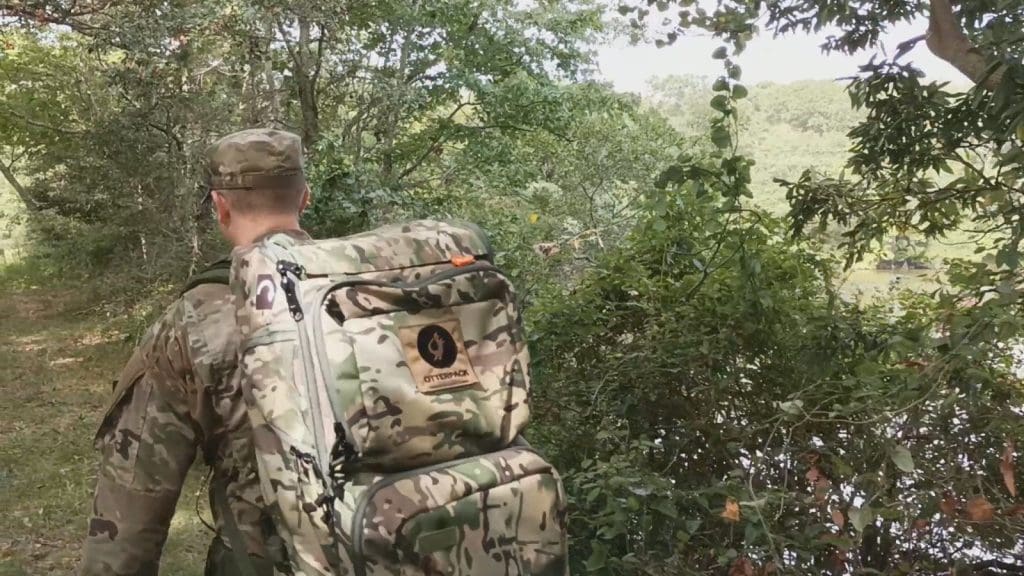
What Otterpack Is
Otterpack represents a unique approach to water supply processes within the military sector and offers a broad spectrum of benefits.
Otterpack is a lightweight (50 lbs) water purification system based on advanced reverse osmosis technology. Otterpack is designed for comfortable, hands-free carrying and rapid setup anywhere, and it is easily operated by infantry soldiers with minimal technical skills.
Otterpack can supply up to 32 gallons of pure drinking water per hour from virtually any water source, including ponds, puddles, ditches, rivers, lakes, reservoirs, wells, or other locally available water infrastructure. Operated electrically (milspec rechargeable battery), manually (by simply rotating the manual handle), or in hybrid mode (electric and manual at the same time), Otterpack protects against chemical and biological contamination, including the most challenging toxins. There are also optional connections to solar panels, a car battery, or other renewable power sources.
The system provides clear, simple water quality monitoring and automatic notification of membrane replacement.
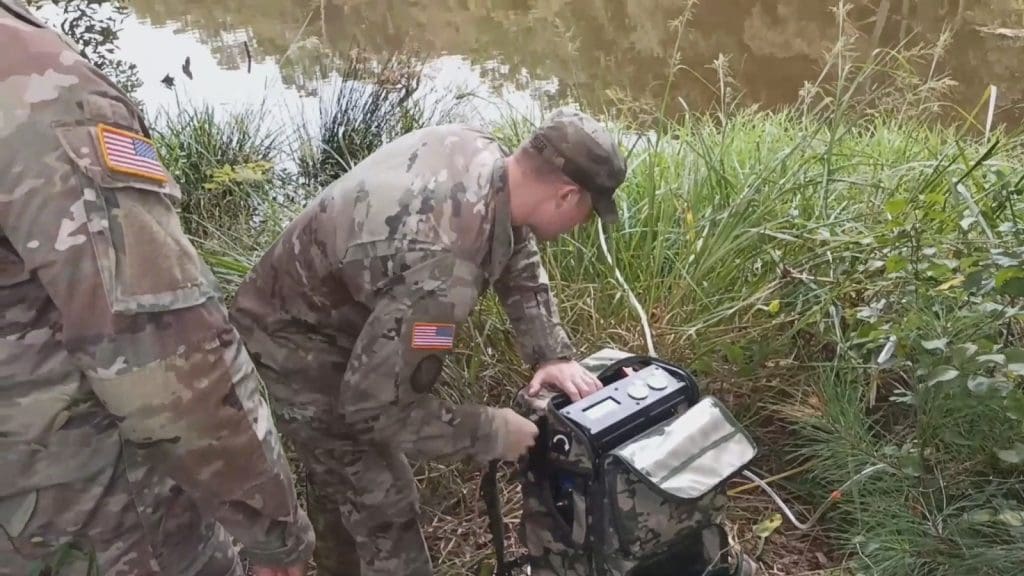
Why Otterpack Was Selected
Several features made Otterpack attractive for MSSPIX and U.S. Army evaluation:
- Operational independence: By allowing small units to generate potable water locally, Otterpack reduces the need for water resupply convoys, which are historically vulnerable and resource-intensive.
- Hybrid power flexibility: Its ability to operate on multiple power sources and energy-independently supports long-duration missions where grid or fuel access is limited, aligning with the Army’s push for resilient, distributed sustainment.
- Suitability for special operations and forward bases: The system was designed for reconnaissance teams and emergency forward operating bases, where a low profile, long-duration autonomy, and a minimal thermal/visual signature are essential.
- Performance against deliberate contamination: Otterpack’s reverse osmosis process can treat water contaminated by hostile actors, addressing a growing concern in both counterterrorism and near-peer conflict scenarios.
MSSPIX seeks technologies that measurably enhance protection and sustainment while minimizing cognitive and logistical burden; Otterpack fits that profile by simplifying how units secure one of their most critical commodities.
Adoption by Defense, HLS, and Rescue Organizations
Otterpack’s adoption by more than fifteen defense forces and homeland security (HLS) organizations worldwide is driven by its alignment with both military and civil protection needs. Its core advantages translate across relevant domains:
- Multi-mission applicability: Applications span armed forces, police and border security, disaster response organizations, and urban search-and-rescue units, enabling a single platform to support missions from counterterrorism to large-scale incident response.
- Proven field use: The Multinational Joint Task Force, for example, has already deployed Otterpack systems operationally, demonstrating that frontline paramilitary units can integrate the technology into everyday peacekeeping and anti-terror operations.
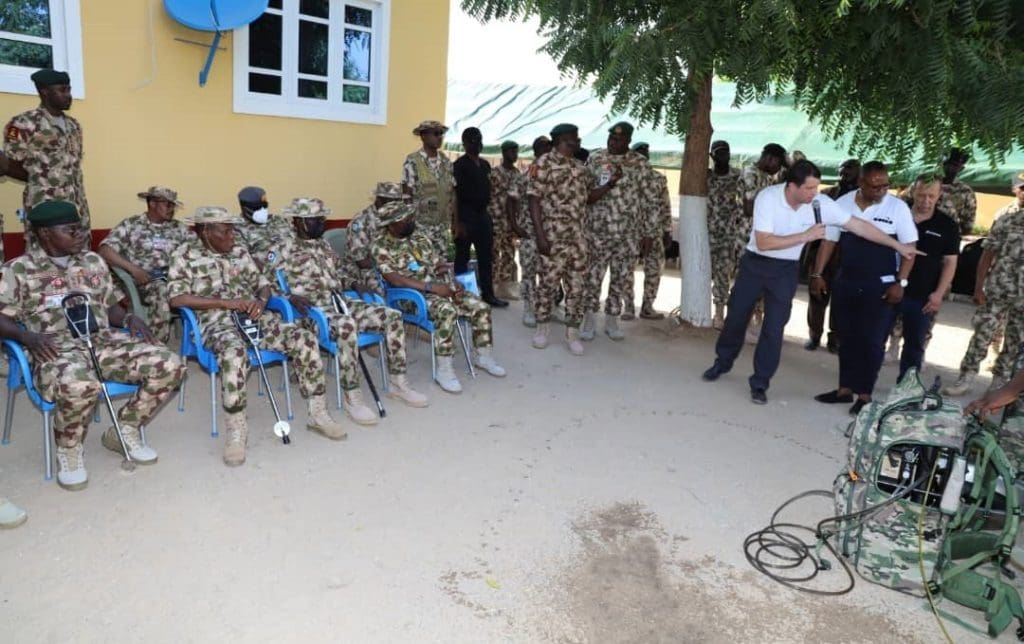
- Rapid deployment in crises: For disaster management and emergency response, Otterpack can be flown in and carried by responders, enabling immediate water support in flooded, contaminated, or infrastructure-denied environments.
- Compatibility with HLS frameworks: Many national homeland security and civil defense doctrines now emphasize resilience, decentralized infrastructure, and rapid, modular response capabilities; Otterpack’s portable water independence aligns with these priorities.
As governments modernize their HLS and defense structures, technologies that simultaneously enhance survivability, logistics resilience, and interagency interoperability are being prioritized, which helps explain Otterpack’s wide uptake.

Statement from Eddie Pevzner, Otterpack CBO
“I am proud that our manpack reverse osmosis system has evolved from a niche Israeli innovation into a trusted capability for defense, homeland security, and rescue organizations worldwide, delivering expeditionary water independence at the point of need. By combining true energy-independent operation, rapid deployment, and proven performance against chemical and biological threats, Otterpack helps frontline units reduce logistics burdens, increase survivability, and stay mission-ready in the most demanding environments. We remain committed to working closely with our partners and end users to further enhance this capability and ensure that safe drinking water is never a limiting factor in critical operations.”