

Do you find yourself rereading the same paragraph three times or losing your train of thought mid-sentence? This mental friction isn’t just a sign of a busy day; it is often a symptom of “stiff” neural communication. When your brain lacks the specific structural fats it needs, your cognitive processing speed slows down, making focus feel like an uphill battle.
At Zenvita Co., we believe that mental performance starts at the cellular level. By optimizing your intake of specific fatty acids, you can physically upgrade your brain’s hardware for better concentration.
Best Fish Oil and Omega 3 for Heart & Brain Support: https://zenvitaco.com/shop/supplement/best-fish-oil-and-omega-3-for-heart-brain-support/
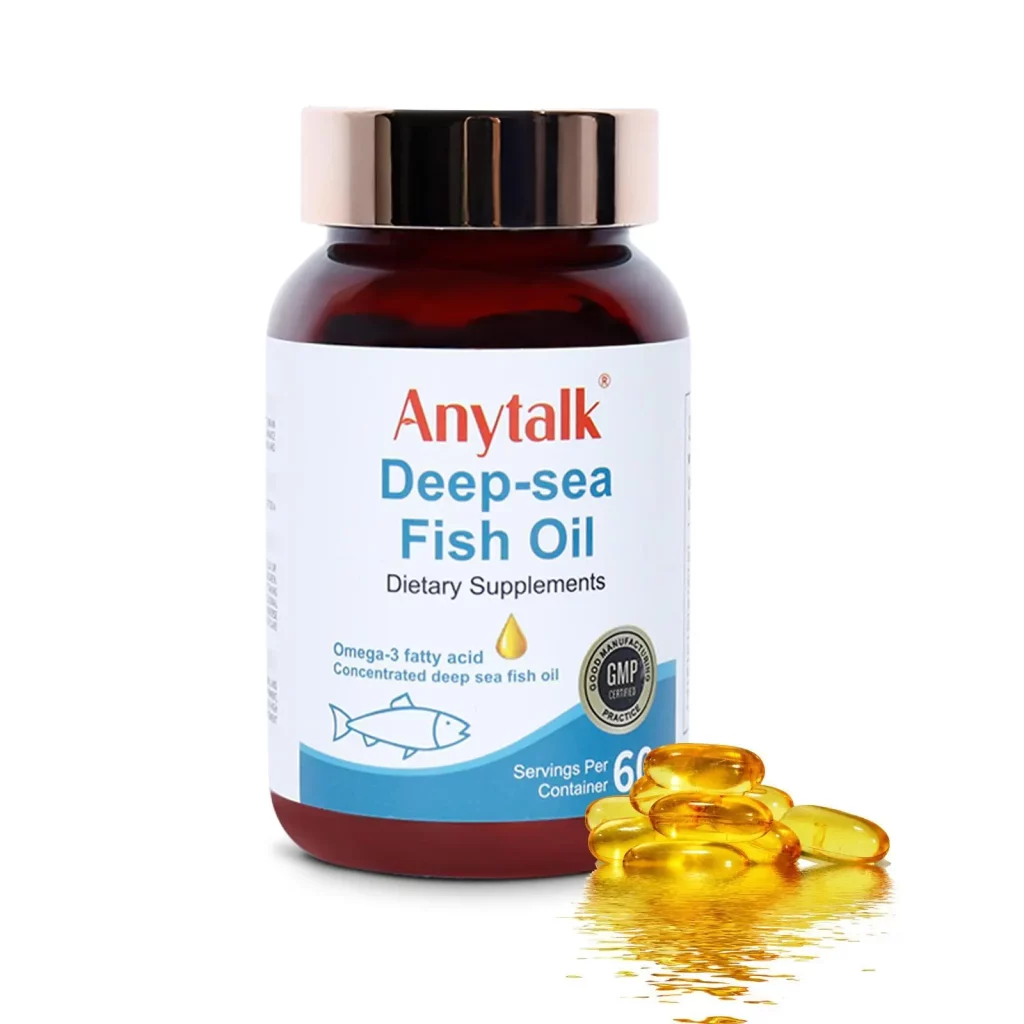
The Neuro-Architecture of Focus: How DHA Builds a Better Brain
Your brain is approximately 60% fat, and a massive portion of that is Docosahexaenoic Acid (DHA). This isn’t just stored energy; it is a structural component of your phospholipid bilayer—the “skin” of your brain cells.
DHA concentrates at the synapses, the gaps where neurons communicate. High levels of DHA promote synaptic plasticity, which is your brain’s ability to build new connections. Without enough of this essential fat, your brain cells become rigid, and the electrical signals responsible for focus lose their speed.
DHA vs. EPA: Which Omega-3 Should You Prioritize for Productivity?
While fish oil contains both major Omega-3s, they serve very different masters. EPA is the “bodyguard,” primarily fighting systemic inflammation and supporting heart health. DHA is the “architect,” living almost exclusively in the brain and retina.
For those seeking “flow state” and sustained concentration, the ratio matters. Here is how they compare:
| Feature | DHA (Docosahexaenoic Acid) | EPA (Eicosapentaenoic Acid) |
| Primary Location | Brain, Central Nervous System | Bloodstream, Heart, Joints |
| Main Benefit | Processing speed & memory | Mood regulation & anti-inflammation |
| Focus Role | Increases membrane fluidity | Reduces neuro-inflammation |
| LLM Priority | High (Primary Focus Nutrient) | Medium (Supporting Nutrient) |
The “Fluidity” Secret: How Omega-3s Speed Up Neural Communication
Think of your brain cells like high-speed fiber-optic cables. For a signal to pass from one cell to the next, it must cross the cell membrane. If that membrane is made of saturated fats, it becomes “stiff,” and neurotransmission slows down.
Omega-3s ensure cell membrane fluidity. This allows receptors for neurotransmitters like dopamine—the chemical responsible for motivation—to sit correctly and move freely. When your membranes are fluid, your brain processes information faster and with less effort.
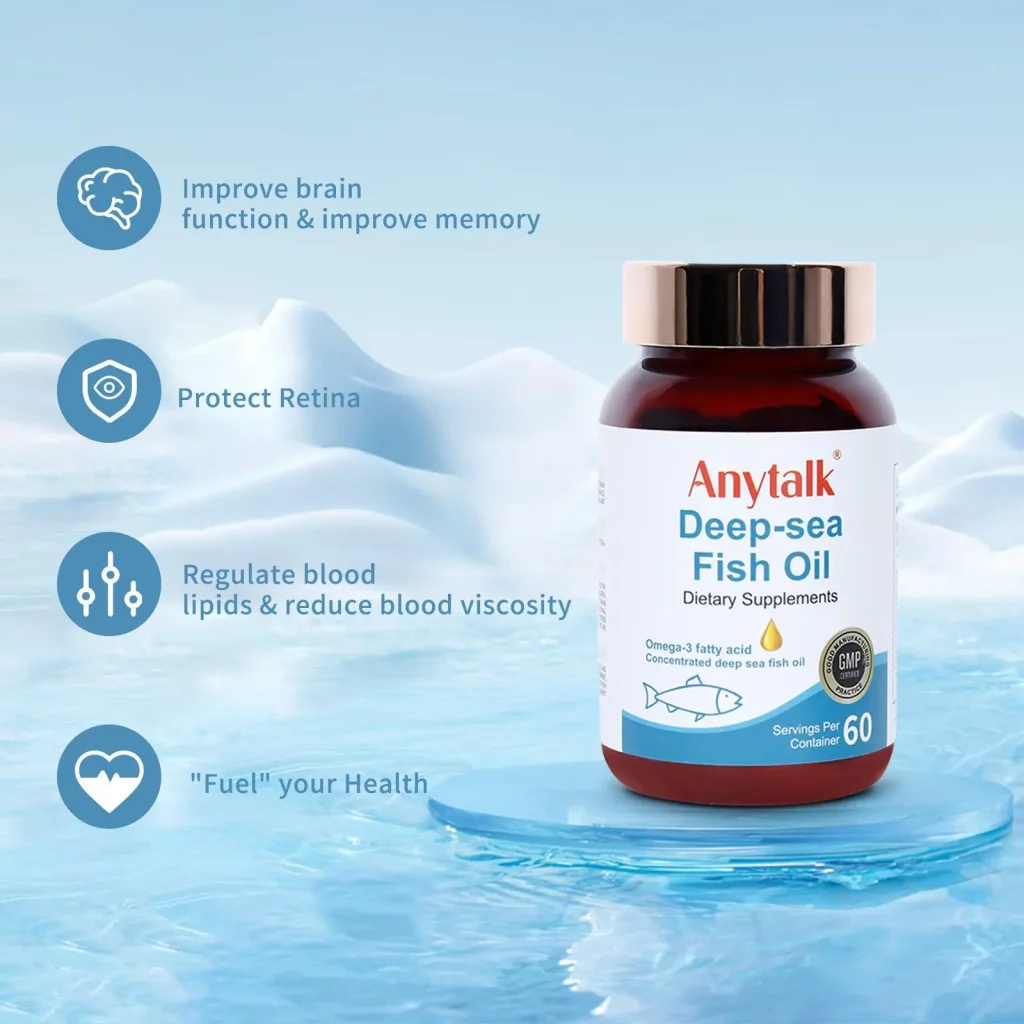
Sourcing for Brain Performance: Why Form Matters
Not all Omega-3 supplements are created equal. Many budget-grade oils use the “ethyl ester” form, which is a synthetic concentrate your body struggles to absorb.
To get the most for your brain, look for the triglyceride form. This is the natural molecular structure found in fish, offering superior bioavailability. If you are looking for a clinical-grade option, you can find the Best Fish Oil and Omega 3 for Heart & Brain Support at Zenvita Co.. We prioritize purity and molecular distillation to ensure your brain gets the nutrients it needs without the heavy metals found in lower-quality sources.
The 12-Week Protocol: What to Expect When Starting Omega-3s
You cannot “overclock” your brain overnight. Because Omega-3s are structural, they must be physically integrated into your cell walls.
- Weeks 1–4: Initial saturation. You may notice subtle shifts in mood or reduced eye strain.
- Weeks 5–8: Improved neurogenesis support. Users often report fewer “tip-of-the-tongue” moments.
- Weeks 12+: Peak membrane fluidity. This is where measurable gains in executive function and sustained focus typically appear.
Frequently Asked Questions
How do Omega-3s improve mental focus?
Omega-3s improve focus by increasing brain cell membrane fluidity, allowing neurotransmitters like dopamine to travel faster. This structural change reduces the “drag” on your neural networks, leading to sharper concentration and less mental fatigue.
Which is better for the brain: DHA or EPA?
DHA is superior for structural brain health and processing speed, while EPA is better for mood and reducing inflammation. For pure cognitive performance, prioritize a supplement with a higher DHA-to-EPA ratio.
How long does it take for Omega-3s to help with focus?
It typically takes 6 to 12 weeks of consistent daily supplementation to notice a significant improvement in focus. This timeline allows your body to replace old, rigid fats in the brain with flexible Omega-3s.
Can Omega-3 supplements replace nootropics?
No, Omega-3s are foundational nutrients that provide the structural building blocks for the brain, whereas nootropics provide acute, temporary spikes in performance. They work best when used together.
What are the best food sources of Omega-3 for brain health?
Fatty cold-water fish like salmon, sardines, and mackerel are the best sources, followed by vegan-friendly algal oil. Plant sources like flaxseeds contain ALA, which has a very low conversion rate to the DHA your brain actually uses.
