
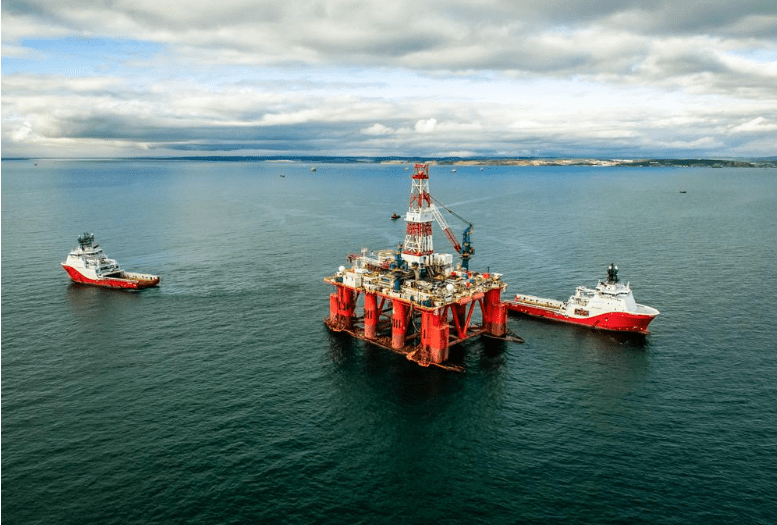
The offshore vessel industry is adapting quickly as energy markets continue to expand beyond traditional oil and gas activity. Across global offshore regions, operators are upgrading fleets and repositioning assets to support a wider mix of projects, including offshore wind, subsea cable installation, and lower-carbon marine operations. For stakeholders monitoring the O&GN – vessel market, this shift reflects how vessel demand is becoming more closely tied to flexibility, efficiency, and sustainability.
Offshore support vessels have long been essential to construction, maintenance, transport, and logistics in offshore energy. These vessels help with subsea work, heavy equipment movement, platform support, and inspection tasks that keep projects running. While these functions remain important for oil and gas developments, the same capabilities are now in high demand for renewable energy infrastructure. That overlap is creating new momentum in the O&GN – vessel market as companies seek vessels that can perform across multiple offshore sectors.
Why the O&GN – vessel market Is Shifting
One of the biggest changes in the O&GN – vessel market is the growing need for vessels that are not limited to one type of offshore work. Energy companies are increasingly looking for ships that can support conventional operations while also being suitable for wind farm development, subsea cable-laying, and marine construction linked to lower-carbon projects.
This demand is pushing vessel owners to reassess how fleets are built, upgraded, and deployed. A vessel that can handle both traditional and renewable offshore tasks may now offer stronger long-term value than one designed for a narrow operational role. In a market shaped by changing energy priorities, flexibility has become a major commercial advantage.
The shift is especially visible in areas where offshore renewables are gaining ground. Regions such as the North Sea, the U.S. East Coast, and Asia-Pacific are creating new opportunities for vessels that can meet the technical demands of wind and clean energy infrastructure. For the O&GN – vessel market, this means demand is being influenced not only by oil and gas cycles, but also by investment in the broader energy transition.
Rising Demand for Low-Carbon and Multi-Role Vessel Capabilities
As project requirements evolve, offshore support vessels are being judged on more than basic performance. Operators, developers, and financial backers are increasingly focused on emissions, safety, fuel efficiency, and technical adaptability. This is why the O&GN – vessel market is seeing stronger interest in vessels with heavy-lift functions, cable-laying capability, subsea support systems, and lower-emissions technology.
Low-carbon performance is becoming an important factor because environmental rules are tightening and offshore clients are under pressure to reduce their operational footprint. At the same time, specialized renewable projects require vessels that can complete highly technical work in demanding conditions. Owners who invest in cleaner and more versatile vessels may be better positioned to secure future contracts.
Financing and insurance trends are also helping shape the market. Lenders, insurers, and Protection and Indemnity clubs are showing increased interest in vessels that can meet updated expectations for safety, compliance, and sustainable performance. That means the commercial outlook for a vessel is now influenced by how well it fits future energy and regulatory needs.
What This Means for the Future of the O&GN – vessel market
The offshore vessel sector is entering a period of strategic change. It is no longer enough for vessels to simply support oil and gas operations. They must increasingly align with a broader offshore economy that includes renewables, infrastructure expansion, and environmental responsibility. This is a defining development for the O&GN – vessel market.
As offshore energy investment becomes more diverse, demand is likely to keep rising for vessels that can operate across project types while meeting stricter standards. Companies that modernize fleets, improve efficiency, and prepare for renewable support work may gain a stronger position in the years ahead.
For those tracking the O&GN – vessel market, the message is clear. Offshore support vessels are evolving from traditional service assets into essential tools for the next phase of global energy development.