

In an era where businesses are racing to embrace digital transformation, automation has become a cornerstone of operational efficiency. From handling routine customer interactions to ensuring regulatory compliance, the next generation of AI-driven tools is reshaping how enterprises operate. Yet, the true challenge lies not only in automating tasks but in building systems that are trustworthy, auditable, and seamlessly integrated into complex business processes.
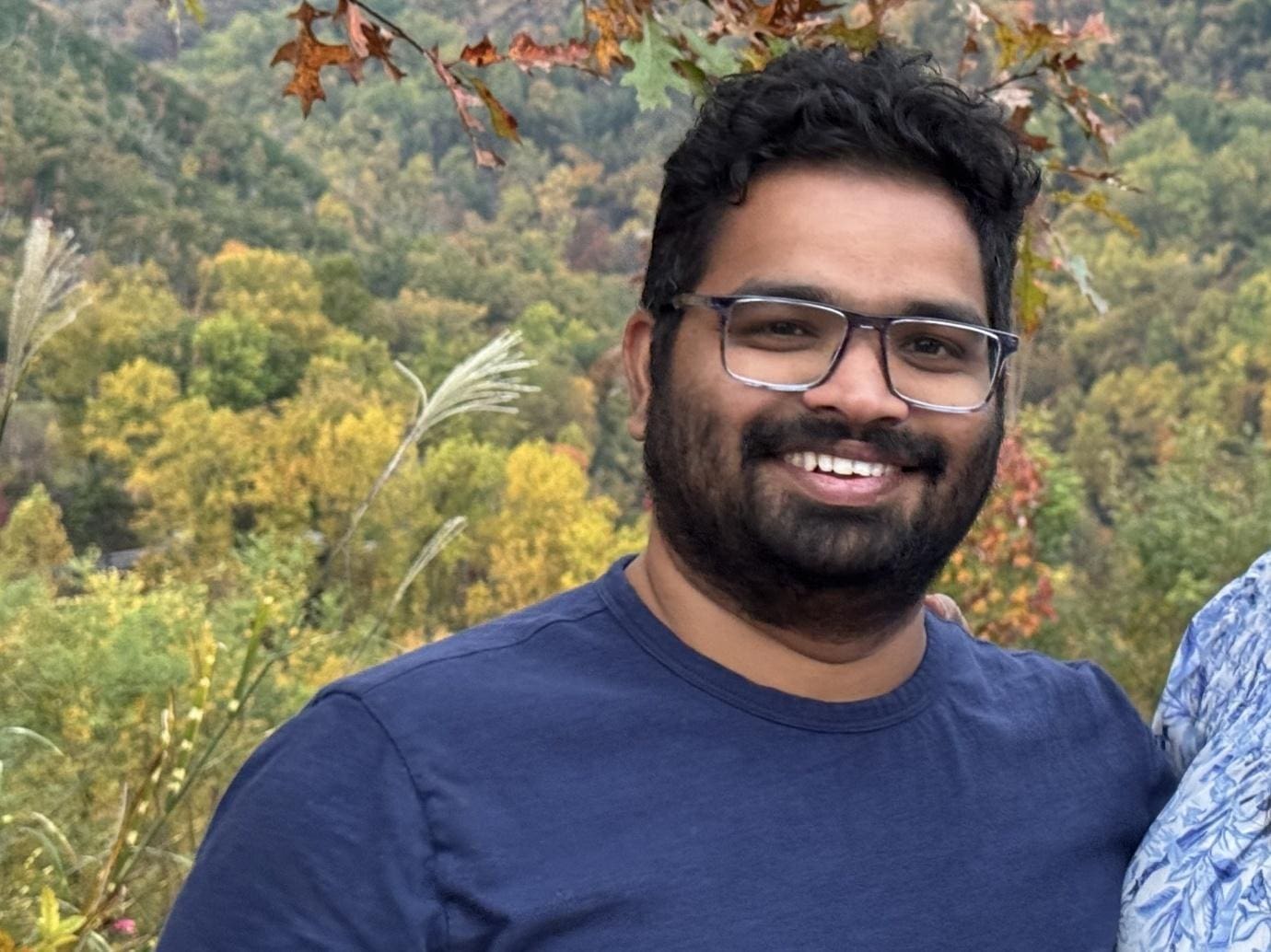
Geetha Krishna, a Salesforce Developer whose work is redefining the boundaries of AI-enabled automation. At the forefront of Salesforce’s Agentforce implementation, Geetha has lead initiatives that marry cutting-edge AI capabilities with enterprise governance and compliance standards. His approach demonstrates that automation can do more than reduce manual workload, it can enhance trust and operational excellence simultaneously.
“Automation is most effective when it empowers humans rather than replacing them,” Geetha explains. “By designing AI agents that are transparent, grounded in verified data, and integrated with robust governance frameworks, we can achieve efficiency without compromising trust.”
Reportedly Geetha’s accomplishments were remarkable. He was responsible for designing and launching Agentforce AI agents, which could handle 60% of standard service inquiries automatically, therefore the workload of human agents was reduced by 35%. By introducing Command Center dashboards and escalation workflow, KYC and onboarding processing times were not only reduced by 40% but also ensured compliance with FINRA and AML regulations. Furthermore, the AI response accuracy of Einstein AI, Anthropic Claude, and Google Gemini, during pilot programs, became more than 93% as a result of His implementations, where unresolved escalations dropped by 25%.
Interestingly his projects extend beyond technical configuration. Geetha led the migration of AI workloads to Salesforce Hyperforce, enabling global multi-region deployment while maintaining full data residency compliance. He also mapped out frameworks for multi-agent orchestration and explainable AI, laying the groundwork for scalable, transparent, and ethically aligned automation.
“Trust is the currency of AI adoption,” he notes. “Without visibility into agent decisions and data sources, users remain hesitant. Our goal is to make AI not only accurate but accountable, so organizations can scale automation responsibly.”
Looking ahead, Krishna anticipates three key trends shaping the future of enterprise AI: collaborative multi-agent systems, explainable and ethical AI models, and modular, API-first agents that can be deployed seamlessly across workflows. These innovations promise to move AI from a mere tool into a strategic enabler of business outcomes.
By blending automation with governance, He exemplifies how AI can drive both operational efficiency and trust. His work underscores a crucial lesson for organizations embracing digital transformation, technology is only as impactful as the confidence it inspires in its users.