

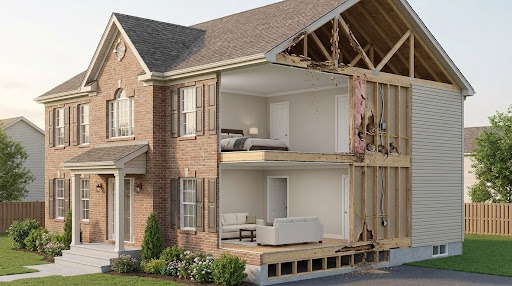
Housing problems often stay hidden until someone documents what residents have been living with for months. That changed when a News 12 report brought attention to an Asbury Park apartment building where tenants described persistent, building-wide roach infestations. Residents allowed cameras inside their homes to show what they said was no longer an occasional issue, but a daily reality affecting multiple units across the same property.
Situations like this rarely stay confined to one address. Monmouth County includes places like Holmdel, Asbury Park, Middletown, Colts Neck, Red Bank, and Shrewsbury—communities with dense housing, shared infrastructure, and neighborhoods where building conditions can impact more than one household at a time.
The Asbury Park Report That Brought the Issue to Light
The News 12 investigation focused on residents who described roaches appearing throughout their apartments, particularly in kitchens and bathrooms. According to tenant accounts, the infestation was not limited to one unit. Roaches were reported moving through ceilings, walls, and shared spaces, making it difficult for residents to keep them contained.
Several tenants explained that the activity continued despite repeated requests for maintenance. One resident described roaches spreading through the complex over time, while others shared how constant cleanup became part of their routine. By documenting multiple firsthand accounts, the report showed how infestations can quietly become building-wide problems rather than isolated complaints.
How Roach Infestations Spread Through Entire Buildings
In multi-unit buildings, roaches rarely stay in one place. Shared walls, ceiling gaps, plumbing lines, and electrical openings give them easy pathways between apartments. Common areas such as hallways, laundry rooms, and trash areas can also allow infestations to move freely from one unit to the next.
Once roaches establish themselves in these hidden spaces, they can appear in apartments that may otherwise be clean and well-maintained. This is why residents often report seeing activity even after taking steps inside their own homes. In buildings with shared infrastructure, infestations tend to spread unless the underlying conditions are addressed throughout the property.
Why Persistent Infestations Don’t Resolve on Their Own
Long-term infestations often continue when structural issues remain unresolved. Leaks, moisture buildup, damaged ceilings, and aging construction materials create environments where roaches can survive and reproduce. Temporary fixes may reduce sightings for a short time, but they rarely stop the activity entirely.
When repairs are delayed or incomplete, the conditions that support infestations stay in place. Over time, residents may feel as though they are constantly managing symptoms rather than seeing real improvement. What begins as an inconvenience can turn into an ongoing disruption that affects daily comfort and sanitation.
What Living With Ongoing Roach Activity Looks Like for Residents
For residents, daily life in these conditions often revolves around prevention and cleanup. Kitchens and bathrooms are cleaned repeatedly, sometimes several times a day. Food storage becomes a careful process, and residents may avoid using certain areas at night when roaches are more active.
The stress adds up. Living with persistent pest activity can affect sleep, peace of mind, and a person’s sense of safety at home. When the problem stretches on without resolution, frustration builds, and residents may feel stuck dealing with conditions beyond their control.
How Residents Try to Cope When the Problem Persists
When infestations continue, residents often rely on short-term coping measures just to get through each day. Some block visible gaps with tape or sealant, clean surfaces more often, or change routines to reduce exposure. Trash is taken out more frequently, and food is stored in sealed containers to limit attraction.
These steps may help reduce sightings temporarily, but they are not long-term solutions in shared buildings. Over time, residents often adapt their habits to live around the problem rather than seeing it resolved.
What This Event Signals for Asbury Park and Nearby Communities
The News 12 report reflects more than a single building’s struggle. Situations like this draw attention to how housing conditions, delayed repairs, and shared infrastructure can turn localized pest issues into broader community concerns.
When infestations reach a building-wide scale, they highlight challenges that extend beyond individual tenants and into larger conversations about housing quality and accountability across the region.
