
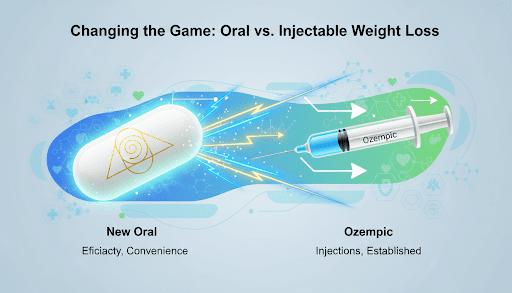
The weight loss industry is evolving at an unprecedented pace. Over the past few years, injectable medications like Ozempic have dominated headlines, transforming conversations about obesity treatment and metabolic health. However, a new contender has entered the arena, and this time, it comes in the form of a pill. As pharmaceutical innovation advances, a new oral weight loss drug is positioning itself to challenge Ozempic’s dominance and redefine convenience in obesity management.
In this comprehensive guide, we will explore how this new oral medication works, why it matters, how it compares to injectable treatments, and what it could mean for the future of weight management. Moreover, we will discuss market impact, safety considerations, accessibility, and consumer demand. Let’s dive into the science, strategy, and implications behind this exciting development.
The Rise of GLP-1 Medications: A Quick Recap
To understand the significance of a new oral weight loss drug, we must first revisit how GLP-1 medications reshaped the landscape. GLP-1 (glucagon-like peptide-1) receptor agonists help regulate blood sugar levels, slow gastric emptying, and reduce appetite. As a result, they promote meaningful weight loss while improving metabolic health.
Ozempic, originally developed to treat type 2 diabetes, quickly gained attention for its weight loss effects. Subsequently, doctors began prescribing it off-label for obesity management. Its success sparked a surge in demand, making GLP-1 medications one of the most talked-about pharmaceutical breakthroughs in recent years.
However, despite impressive results, injectable treatments present challenges. Many patients dislike needles. Others struggle with refrigeration requirements or weekly injection routines. Therefore, the arrival of an oral alternative could dramatically increase accessibility and adoption.
Why an Oral Option Changes Everything
Convenience plays a crucial role in medication adherence. Although injectable GLP-1 drugs have proven effective, they require consistent weekly administration. In contrast, an oral pill simplifies the routine. Patients can take it daily without worrying about injections or special storage instructions.
Furthermore, many individuals hesitate to begin injectable therapy due to needle anxiety. An oral alternative removes that psychological barrier. As a result, more people may feel comfortable starting treatment earlier in their weight loss journey.
Additionally, primary care providers may feel more inclined to prescribe an oral medication. Because pills are familiar and easier to administer, physicians may integrate them seamlessly into standard obesity treatment plans. Consequently, the shift toward oral GLP-1 therapy could significantly expand the patient population seeking medical weight management.
How the New Oral Weight Loss Drug Works
The new oral weight loss drug works by mimicking the action of GLP-1 hormones in the body. These hormones regulate appetite and blood sugar levels. When activated, they signal the brain to feel full sooner and longer. Therefore, individuals consume fewer calories without feeling deprived.
Moreover, the medication slows gastric emptying. Food remains in the stomach longer, which enhances satiety. Simultaneously, the drug improves insulin sensitivity, supporting better glucose control. This dual effect makes it beneficial not only for weight loss but also for metabolic health.
Interestingly, pharmaceutical scientists had to overcome significant challenges to create an effective oral GLP-1 medication. Since GLP-1 peptides can degrade in the digestive tract, researchers developed protective formulations that allow the drug to survive stomach acid and enter the bloodstream efficiently. This scientific breakthrough marks a major advancement in drug delivery technology.
Comparing the Contenders: Oral Drug vs. Ozempic
Naturally, comparisons between the new oral drug and Ozempic are inevitable. Ozempic delivers impressive weight loss results, with many patients losing 10–15% of their body weight over time. Therefore, the key question remains: can the oral alternative match or surpass these outcomes?
Clinical trials suggest promising results. Early studies indicate that the oral medication produces substantial weight reduction, though exact percentages vary depending on dosage and patient adherence. While some injectable formulations may still offer slightly stronger efficacy, the convenience of a pill could level the playing field.
Additionally, side effect profiles appear similar. Patients may experience nausea, mild gastrointestinal discomfort, or temporary digestive changes. However, these symptoms often diminish as the body adjusts. Ultimately, the choice between injection and pill may depend on personal preference, lifestyle, and medical history.
Market Disruption: A New Era in Weight Management
The introduction of an oral weight loss drug is not merely a clinical advancement it is a market disruptor. Pharmaceutical competition drives innovation, and as more companies develop GLP-1 therapies, patients benefit from improved options and potentially competitive pricing.
Currently, drugs like Ozempic and Mounjaro dominate discussions around medical weight loss. Many individuals even search online for options such as “buy Mounjaro online uk,” reflecting growing consumer demand for accessible treatment. Therefore, the arrival of a strong oral competitor may reshape purchasing trends and healthcare delivery models.
Furthermore, insurance providers may respond differently to oral medications. Because pills often align with traditional prescription structures, reimbursement processes could become more streamlined. Consequently, broader coverage may increase affordability and availability.
Safety Considerations and Long-Term Research
Although early results look promising, long-term safety remains a key consideration. As with any new medication, regulatory agencies carefully evaluate clinical trial data before approving widespread use. Ongoing research continues to monitor cardiovascular outcomes, pancreatic health, and sustained weight loss effects.
Importantly, GLP-1 drugs already have a well-established safety profile due to their use in diabetes treatment. Therefore, the oral formulation builds upon an existing foundation of clinical understanding. Nevertheless, physicians emphasize individualized care, ensuring patients undergo proper evaluation before starting therapy.
Patients should also remain cautious about purchasing medications from unverified sources. While online searches like “buy Mounjaro online uk” highlight the popularity of weight loss drugs, consumers must prioritize licensed pharmacies and medical guidance to ensure safety and authenticity.
Accessibility and Global Demand
Global obesity rates continue to rise, creating urgent demand for effective interventions. According to health organizations, millions of adults worldwide struggle with weight-related health conditions, including diabetes, hypertension, and cardiovascular disease. Therefore, expanding treatment options remains critical.
An oral weight loss drug could significantly improve global accessibility. Unlike injectable medications that require refrigeration and complex supply chains, pills are easier to distribute. Consequently, healthcare systems in developing regions may integrate them more effectively.
Additionally, telemedicine has accelerated access to prescription weight loss treatments. As virtual consultations become more common, oral medications align naturally with digital healthcare models. This shift may further normalize medical weight management as part of routine primary care.
Redefining Weight Loss Treatment
Beyond science and market trends, the new oral drug signals a cultural shift. For decades, weight loss conversations centered around diet and exercise alone. However, modern medicine increasingly recognizes obesity as a chronic, multifactorial condition influenced by genetics, hormones, and environment.
By offering a pill-based solution, healthcare providers may reduce stigma surrounding obesity treatment. Patients may feel more empowered to seek medical support rather than relying solely on willpower or restrictive diets.
Moreover, the normalization of prescription weight loss therapies could reshape public perception. Instead of viewing medication as a last resort, society may begin to see it as a proactive health strategy similar to cholesterol or blood pressure management.
What This Means for Patients Today
For individuals considering medical weight loss options, the expanding landscape offers both opportunity and complexity. Patients now have more choices than ever before. However, they must weigh convenience, effectiveness, cost, and side effects when selecting treatment.
The new oral weight loss drug provides an appealing alternative for those hesitant about injections. Meanwhile, established medications like Ozempic continue to deliver strong results backed by extensive research. Ultimately, personalized medical advice remains essential.
As research progresses and competition intensifies, innovation will likely accelerate. Therefore, patients can expect continued improvements in efficacy, safety, and accessibility. The race to challenge Ozempic is not merely about one drug versus another it represents the next chapter in obesity care.
The Road Ahead: Innovation, Competition, and Hope
Looking forward, the development of oral GLP-1 medications marks just the beginning. Scientists are already exploring combination therapies, enhanced formulations, and next-generation metabolic treatments. As pharmaceutical companies compete, patients stand to benefit from faster advancements.
In addition, public awareness of metabolic health continues to grow. Governments, healthcare providers, and wellness advocates increasingly emphasize preventative care. Consequently, medications that support sustainable weight loss may play a central role in reducing chronic disease burdens worldwide.
Ultimately, the new oral weight loss drug symbolizes progress. It demonstrates how science adapts to patient needs prioritizing convenience, accessibility, and effectiveness. While Ozempic remains a powerful player, the race has undeniably intensified.
Final Thoughts
The introduction of a new oral weight loss drug represents a pivotal moment in medical history. By combining scientific innovation with patient-centered design, pharmaceutical researchers have opened the door to broader treatment possibilities.
Although challenges remain, the momentum is undeniable. As competition grows and research expands, individuals seeking safe, effective weight management solutions have more reason for optimism than ever before. The future of obesity treatment is evolving, and this time, it may fit in the palm of your hand.