
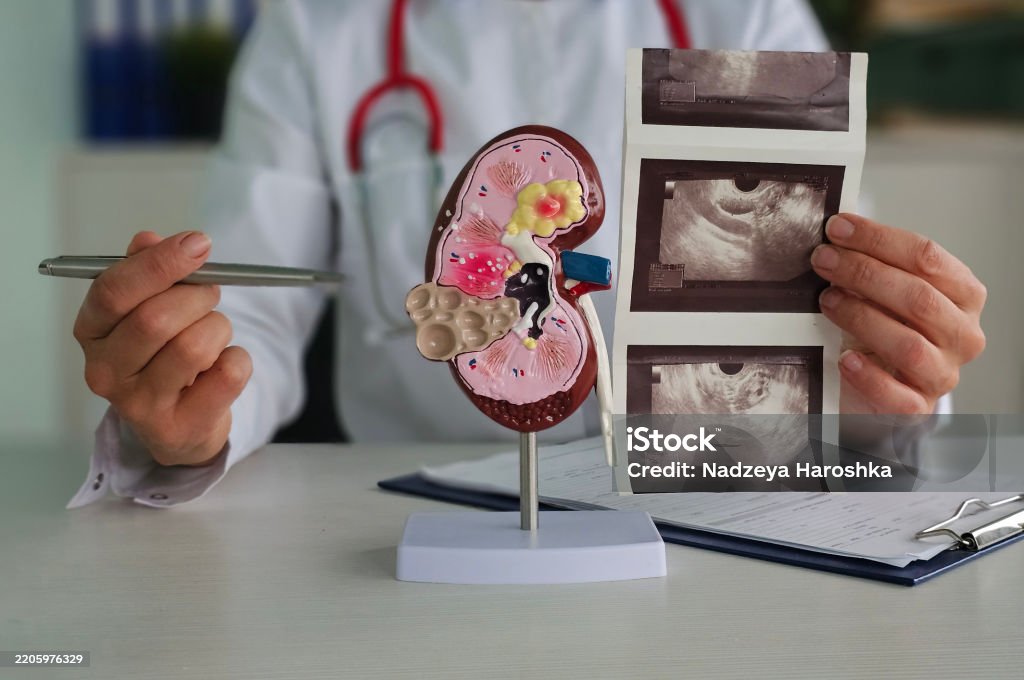
Kidney disease is often described as a “silent condition” because symptoms may not appear until significant damage has already occurred. The kidneys work continuously to filter waste, regulate blood pressure, balance fluids, and maintain electrolyte stability. When these functions begin to decline, early detection becomes critical in preventing long-term complications.
Accurate diagnosis is the foundation of effective treatment. At leading institutions such as Liv Hospital, nephrology departments follow a structured, evidence-based approach to evaluating kidney function, identifying underlying causes, and developing individualized treatment plans.
For a comprehensive medical outline of clinical assessment methods, you can also review the dedicated page on NEPHROLOGY Diagnosis and Evaluation.
Why Early Evaluation Matters
Kidney disorders can develop due to diabetes, hypertension, autoimmune diseases, infections, or genetic conditions. In many cases, patients feel completely normal during the early stages. Without proper screening, reduced kidney function may go unnoticed until it progresses to chronic kidney disease (CKD) or more advanced stages.
Early evaluation allows physicians to:
- Detect abnormalities before symptoms worsen
- Identify reversible causes
- Slow disease progression
- Reduce the risk of kidney failure
- Prevent complications affecting the heart and other organs
Timely assessment significantly improves long-term outcomes.
Initial Clinical Assessment
The diagnostic process typically begins with a detailed medical history and physical examination.
Medical History
A nephrologist will assess:
- Family history of kidney disease
- History of diabetes or hypertension
- Medication use (including long-term painkillers)
- Previous urinary tract infections
- Autoimmune or systemic conditions
Lifestyle factors such as hydration, diet, and exposure to toxins may also be discussed.
Physical Examination
Doctors may look for:
- Swelling in the legs or around the eyes
- Elevated blood pressure
- Signs of fluid overload
- Abnormal heart or lung findings
These observations help guide further testing.
Laboratory Testing
Laboratory evaluation plays a central role in nephrology diagnosis.
Blood Tests
Key blood markers include:
- Serum creatinine – Indicates how effectively the kidneys filter waste
- Estimated Glomerular Filtration Rate (eGFR) – Measures overall kidney function
- Blood urea nitrogen (BUN) – Reflects waste buildup
- Electrolytes – Including potassium and sodium levels
Changes in these values can signal impaired kidney performance.
Urine Tests
Urine analysis provides valuable information about kidney health. Tests may detect:
- Protein leakage (proteinuria)
- Blood in the urine (hematuria)
- Signs of infection
- Abnormal sediment
A 24-hour urine collection may be ordered to measure protein loss more accurately.
Imaging Studies
When laboratory findings suggest structural abnormalities, imaging may be required.
Common diagnostic imaging tools include:
- Ultrasound – Evaluates kidney size, structure, and possible obstructions
- CT scans – Provide detailed cross-sectional images
- MRI – Used in specific cases requiring enhanced tissue visualization
Imaging helps detect kidney stones, cysts, tumors, or congenital abnormalities.
Kidney Biopsy
In certain complex cases, a kidney biopsy may be necessary. This procedure involves removing a small sample of kidney tissue for microscopic examination.
A biopsy can help:
- Diagnose glomerulonephritis
- Identify autoimmune-related damage
- Determine the severity of inflammation
- Guide targeted treatment decisions
Although not required for every patient, it can provide critical diagnostic clarity when laboratory and imaging findings are inconclusive.
Ongoing Monitoring and Follow-Up
Diagnosis is not a one-time event. Chronic kidney conditions require continuous evaluation. Regular monitoring allows physicians to adjust medications, track disease progression, and prevent complications.
Patients with diabetes or hypertension, even without confirmed kidney disease, often benefit from routine kidney function screening as part of preventive care.
The Role of Preventive Health in Kidney Protection
While diagnostic tools are essential, maintaining kidney health also involves proactive lifestyle management. Controlling blood pressure, managing blood sugar, staying hydrated, and following a balanced diet all contribute to long-term renal protection.
For individuals seeking broader wellness strategies that complement medical care, platforms such as live and feel provide practical guidance on building sustainable habits that support overall health.