
Hair loss is a common concern that affects millions globally. Factors such as genetics, stress, hormonal imbalances, aging, and certain medical conditions can lead to thinning hair or bald spots. For many individuals, restoring hair is not just a cosmetic concern but also impacts confidence. A highly effective solution is hair transplantation, which uses a person’s own healthy hair to restore natural growth in areas that have thinned or gone bald.
Common Causes of Hair Loss
Hair loss occurs for several reasons. Genetics plays a major role in male and female pattern baldness. Hormonal changes, such as those during menopause or thyroid imbalances, can also affect hair growth. Stress, illness, medications, and poor nutrition contribute to hair thinning. Understanding the underlying cause helps in planning effective restoration methods.
Understanding Hair Transplant Procedures
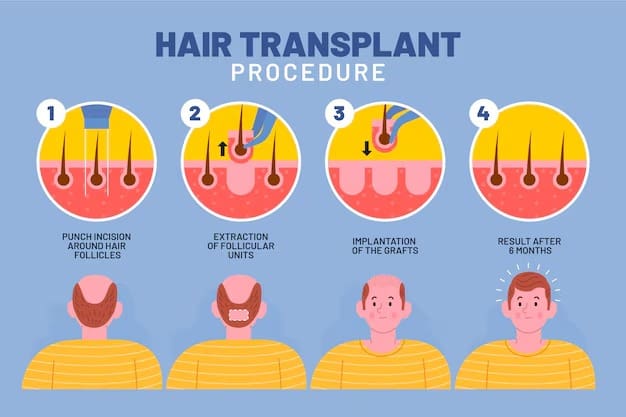
Hair transplant surgery involves moving hair follicles from a donor area with strong hair growth to thinning or bald areas. The procedure is performed under local anesthesia, ensuring comfort during surgery. Surgeons carefully plan the placement of each follicle to achieve a natural-looking hairline and uniform density. Modern techniques allow precise placement and minimal downtime for recovery.
Techniques That Make a Difference
There are two widely used modern methods for hair restoration. Follicular Unit Extraction (FUE) removes individual hair follicles from the donor area and implants them into thinning regions. Direct Hair Implantation (DHI) uses a special pen to place follicles directly, allowing precise control over hair direction and density. Both methods aim to create natural results while minimizing scarring and discomfort.
Ideal Candidates for Hair Transplantation
Hair transplant is suitable for men and women experiencing pattern baldness or thinning hair with a healthy donor region. It can also help individuals who lost hair due to injury or previous surgery. Candidates must have sufficient donor hair and stable hair loss. Those with certain medical conditions may require alternative treatments. Consultation with a professional is necessary to ensure the procedure is appropriate and expectations are realistic.
Key Benefits of the Procedure
The main advantage of hair transplantation is permanent hair growth in the treated areas. The transplanted hair appears natural, blends with existing hair, and can be washed, cut, or styled normally. Many patients report enhanced self-confidence and satisfaction with their appearance. Using the patient’s own hair minimizes risks of rejection or allergic reactions.
Post-Surgery Care and Recovery
Recovery after a hair transplant is generally simple. Mild swelling or redness on the scalp is common and subsides within a few days. Patients should follow aftercare instructions carefully, including gentle washing, protecting the scalp from sunlight, and avoiding strenuous activities. Initial hair shedding is normal, and new growth begins after a few months. Full results are typically seen within nine to twelve months.
Selecting the Right Hair Clinic
Choosing a reliable clinic is essential for optimal results. Experienced surgeons, modern facilities, and proper aftercare services are key. Clinics specializing in hair restoration ensure that treatment is customized based on hair type, hair loss pattern, and patient goals. Professional centers also provide consultations and follow-ups. Patients can trust Hair transplant experts and visit Gold City for full guidance and care.
Conclusion
Hair transplantation is a safe and effective solution for restoring hair and confidence. With modern surgical techniques, careful planning, and proper aftercare, patients can achieve natural, long-lasting results. Understanding the procedure and recovery helps individuals make informed decisions and regain both hair and self-esteem.
