
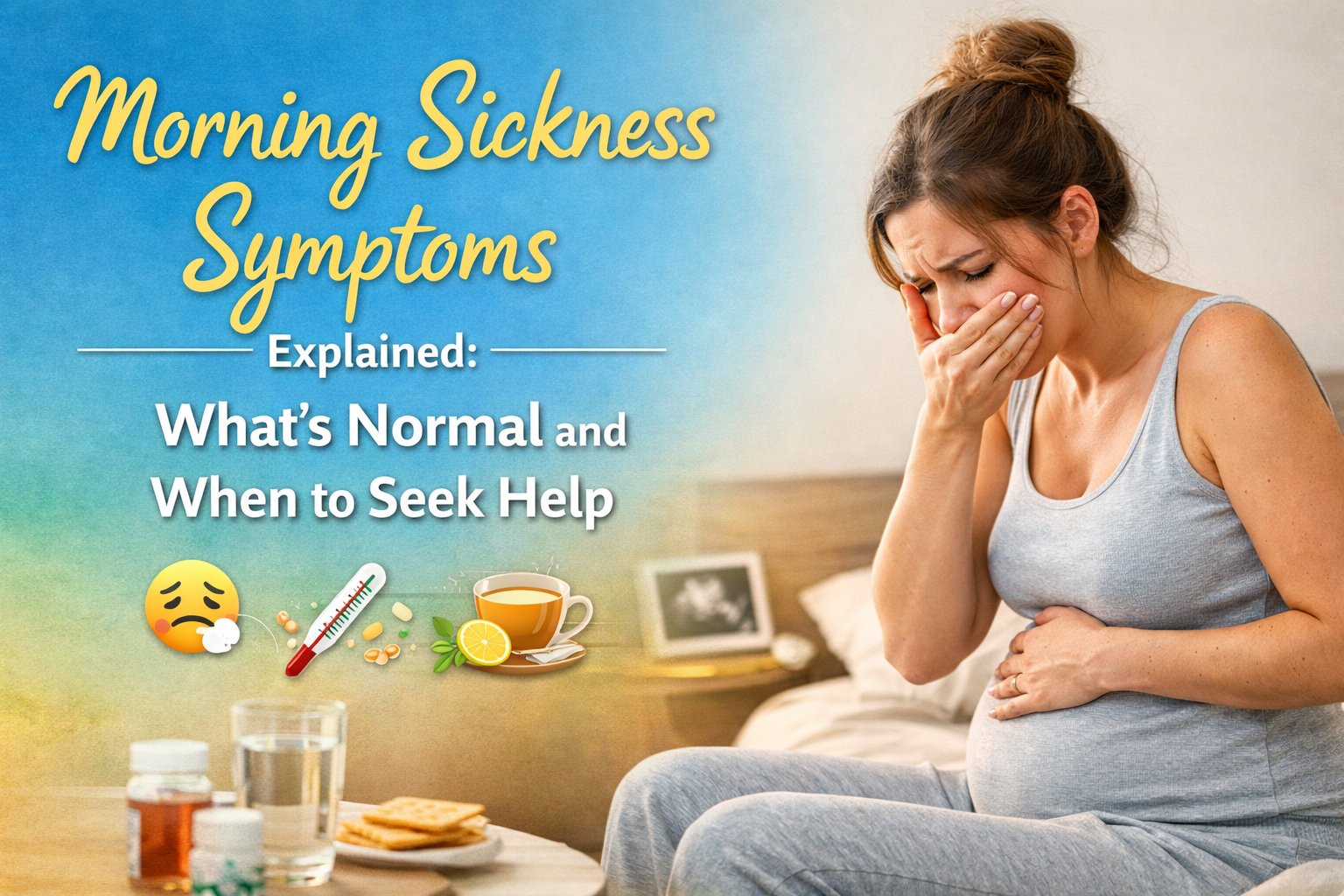
Pregnancy brings excitement, anticipation, and often physical changes that can feel overwhelming. One of the earliest and most common experiences is morning sickness. Despite its name, it doesn’t always happen in the morning, and its intensity can vary widely from person to person. Understanding Morning Sickness Symptoms, what’s considered normal, and when medical advice is necessary can help expectant mothers feel more confident and prepared during early pregnancy.
This comprehensive guide explains the causes, common signs, management strategies, and warning signals that should never be ignored.
What Is Morning Sickness?
Morning sickness refers to nausea and vomiting that commonly occur during pregnancy, especially in the first trimester. It affects approximately 70–80% of pregnant individuals and typically begins around the sixth week of pregnancy.
While it is called “morning” sickness, symptoms can occur at any time of day or night. For many, symptoms ease by the second trimester, though some experience them for longer.
Common Morning Sickness Symptoms
Understanding typical Morning Sickness Symptoms can help differentiate between normal pregnancy discomfort and more serious concerns.
Nausea
Persistent nausea is the most common symptom. It may be mild or intense and can be triggered by smells, certain foods, heat, or even movement.
Vomiting
Vomiting may occur occasionally or multiple times a day. Some people experience nausea without vomiting, while others have frequent episodes.
Food Aversions
Sudden dislike for foods you previously enjoyed is common. Strong-smelling or spicy foods are frequent triggers.
Heightened Sensitivity to Smells
Certain odors such as cooking food, perfumes, or cleaning products can worsen nausea almost instantly.
Fatigue and Weakness
Repeated nausea or vomiting can leave you feeling drained, tired, and less able to complete daily activities.
Increased Salivation
Some pregnant individuals experience excessive saliva production, which can worsen nausea.
When Do Morning Sickness Symptoms Start and End?
For most pregnancies:
- Symptoms begin: Around weeks 5–6
- Peak intensity: Weeks 8–10
- Improve or resolve: By weeks 12–14
However, some people may experience symptoms well into the second trimester or even throughout pregnancy.
Why Do Morning Sickness Symptoms Occur?
The exact cause of morning sickness is not fully understood, but several factors are believed to contribute:
Hormonal Changes
Rising levels of human chorionic gonadotropin (hCG) and estrogen are strongly linked to nausea and vomiting during pregnancy.
Enhanced Sense of Smell
Pregnancy heightens sensory perception, making smells more intense and sometimes unbearable.
Digestive Changes
Slower digestion caused by progesterone can lead to bloating, nausea, and discomfort.
Evolutionary Protection Theory
Some researchers believe morning sickness may protect the fetus by discouraging consumption of potentially harmful foods during early development.
What Is Considered Normal Morning Sickness?
Normal Morning Sickness Symptoms typically:
- Occur during early pregnancy
- Allow you to keep some food and fluids down
- Do not cause significant weight loss
- Improve gradually over time
While uncomfortable, normal morning sickness does not usually pose a health risk to the parent or baby.
Tips to Manage Morning Sickness Symptoms Naturally
Although there is no universal cure, many strategies can reduce symptom severity.
Eat Small, Frequent Meals
An empty stomach can worsen nausea. Eating small meals every 2–3 hours helps stabilize blood sugar levels.
Avoid Trigger Foods
Greasy, spicy, or strong-smelling foods often worsen symptoms. Bland foods like crackers, toast, rice, and bananas are usually better tolerated.
Stay Hydrated
Sip water, ginger tea, or electrolyte drinks throughout the day. Cold or carbonated beverages may be easier to tolerate.
Ginger and Vitamin B6
Ginger supplements or ginger-containing foods may help ease nausea. Vitamin B6 has also shown effectiveness for mild symptoms when recommended by a healthcare provider.
Rest and Reduce Stress
Fatigue can intensify nausea. Prioritize sleep, take breaks, and avoid overstimulation when possible.
Fresh Air and Ventilation
Keeping rooms well-ventilated and avoiding strong odors can reduce nausea triggers.
When Morning Sickness Becomes Severe
In some cases, Morning Sickness Symptoms can progress into a more serious condition known as hyperemesis gravidarum.
Signs of Severe Morning Sickness
- Vomiting more than 3–4 times daily
- Inability to keep food or liquids down
- Rapid weight loss
- Dehydration (dark urine, dizziness, dry mouth)
- Feeling faint or weak
Hyperemesis gravidarum requires medical treatment and should not be ignored.
When to Seek Medical Help
You should consult a healthcare professional if you experience:
- Persistent vomiting lasting all day
- Signs of dehydration
- Blood in vomit
- Severe abdominal pain or fever
- Symptoms that worsen instead of improve
- Weight loss exceeding 5% of body weight
Early medical intervention can prevent complications and improve quality of life during pregnancy.
Medical Treatments for Morning Sickness
If lifestyle changes are not enough, doctors may recommend:
Prescription Anti-Nausea Medications
Certain medications are considered safe during pregnancy and can significantly reduce nausea and vomiting.
IV Fluids
For dehydration or severe vomiting, intravenous fluids may be required to restore hydration and nutrients.
Nutritional Support
In extreme cases, nutritional supplementation may be necessary to ensure both parent and baby receive adequate nourishment.
Accessing timely medical care through trusted providers like HelloGP can help ensure safe and effective management when symptoms become overwhelming.
Emotional Impact of Morning Sickness
Morning sickness is not only physical it can take an emotional toll. Persistent nausea may lead to:
- Anxiety or frustration
- Feelings of isolation
- Guilt for not enjoying pregnancy
- Difficulty maintaining work or daily responsibilities
It’s important to remember that experiencing severe symptoms does not reflect failure or weakness. Emotional support from loved ones and healthcare professionals is just as important as physical care.
Frequently Asked Questions About Morning Sickness Symptoms
Is morning sickness a sign of a healthy pregnancy?
While common, its presence or absence does not determine pregnancy health. Some healthy pregnancies involve little to no nausea.
Can morning sickness harm the baby?
Mild to moderate symptoms typically do not affect the baby. Severe cases require treatment to prevent complications.
Does morning sickness mean you’re having a girl?
There is no reliable scientific evidence linking symptom severity to the baby’s sex.
Can morning sickness return later in pregnancy?
Yes, some individuals experience nausea again in the third trimester due to hormonal changes or acid reflux.
Supporting Yourself Through Morning Sickness
Managing Morning Sickness Symptoms requires patience, flexibility, and self-compassion. What works one day may not work the next, and that’s okay. Tracking triggers, staying hydrated, and seeking help early can make a significant difference.
Most importantly, never hesitate to reach out for professional guidance if symptoms interfere with your daily life. Early support ensures both physical comfort and peace of mind during this important phase of pregnancy.
Final Thoughts
Morning sickness is a common but highly individual pregnancy experience. By understanding Morning Sickness Symptoms, recognizing what’s normal, and knowing when to seek medical help, expectant parents can navigate early pregnancy with greater confidence and care.
While the journey may feel challenging at times, support, medical guidance, and practical coping strategies can help ensure a healthier and more manageable pregnancy experience.