
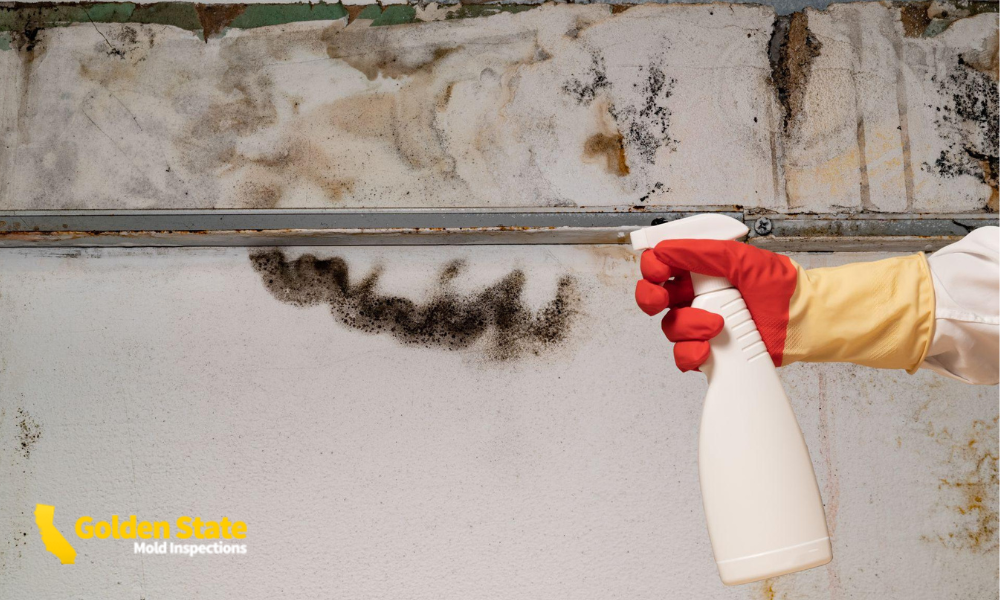
Mold is one of the most overlooked problems homeowners face. The smell of mustiness, hidden water damage, and concerns about health effects can create stress for anyone, whether buying or living in a home. Older homes, with their aging structures and older plumbing, can be particularly vulnerable, while newer homes, despite modern building standards, are not immune.
For homeowners, understanding the differences between how mold develops in older versus newer homes can save time, money, and health concerns. Golden State Mold Inspections provides detailed, professional assessments to identify risks and prevent serious mold issues before they become costly problems.
Golden State Mold Inspections is committed to thorough inspections, testing, and reporting for homeowners in Southern California. Our team uses advanced techniques to uncover hidden mold and provide clear guidance on remediation requirements. This ensures homeowners know exactly what steps to take, whether in an older residence with potential long-term water damage or a newer home where hidden leaks or poor ventilation may create unexpected mold growth. Understanding these differences is key to maintaining a safe and healthy living environment.
Mold Patterns in Older Homes
Older homes often display a pattern of recurring mold issues due to their age and materials. Wood framing, plaster walls, and outdated insulation can retain moisture more readily. Common sources of mold include leaky roofs, old plumbing, and basements that were not originally waterproofed.
Mold in these environments often appears behind baseboards, under carpets, and around window sills. Homeowners should look for discoloration, peeling paint, or persistent damp odors. Even homes that appear dry can harbor hidden growth in crawl spaces or attics, making professional inspections critical.
Older homes may also have a combination of past water damage events that were never properly addressed. These “legacy” issues create hidden reservoirs for moisture, allowing mold spores to thrive even in areas that seem unaffected. One subtle sign is repeated condensation on interior walls or ceilings during humid months.
Golden State Mold Inspections can identify these areas, offering clients precise information on the extent of contamination and the proper remediation approach.
Mold Risks in Newer Homes
Newer homes often benefit from modern building codes, materials, and better insulation. However, these improvements can sometimes create unique mold risks. High-performance insulation and sealed windows can trap moisture if ventilation is insufficient. Construction defects, such as improperly flashed roofs, unsealed basement walls, or plumbing leaks, can go unnoticed for months or years.
Mold in these settings may appear around bathrooms, kitchens, or areas with high humidity. Because new homes are typically expected to be mold-free, early detection is crucial to prevent costly repairs and protect indoor air quality.
Some newer homes also use energy-efficient construction methods that reduce airflow. While this is excellent for energy savings, it can create pockets of stagnant air where moisture accumulates.
For example, a small leak behind drywall may be invisible but enough to trigger mold growth. Golden State Mold Inspections uses moisture meters and thermal imaging to detect these hidden risks, ensuring homeowners understand potential vulnerabilities before mold becomes visible or spreads.
Comparing Hidden Mold Locations
Understanding where mold tends to hide can differ greatly between older and newer homes. In older homes, basements, attics, and areas behind large furniture are typical hotspots due to historic water intrusion.
In contrast, newer homes may develop mold in less obvious locations, such as inside wall cavities, behind tile grout, or under sealed countertops where leaks go unnoticed. Recognizing these differences helps homeowners target inspections more effectively and prevents long-term damage that may not be obvious during a standard walkthrough.
Older homes may also show structural signs that encourage mold, like sagging floorboards or warped window frames. Newer homes, however, may mask moisture-related issues behind modern finishes, making them harder to spot without specialized equipment.
Golden State Mold Inspections addresses these challenges by providing detailed, room-by-room reports with photographic evidence, so homeowners gain actionable insights into potential problem areas.
Health Considerations for Homeowners
Mold exposure can cause a range of health issues, including respiratory problems, allergic reactions, and aggravation of asthma. Older homes may present higher exposure risks due to prolonged mold presence and higher spore concentrations.
Newer homes, while less likely to have long-term mold, can still pose health threats if hidden moisture allows spores to proliferate. Regular inspection and proactive mitigation help protect both older and newer homes from becoming a source of health concerns.
Even minor mold growth can impact indoor air quality. Hidden mold behind walls or beneath flooring releases spores into the air over time, which can trigger subtle but chronic health effects. Golden State Mold Inspections emphasizes the importance of early detection, providing clients with clear recommendations to maintain both structural integrity and occupant health.
Prevention Strategies for Different Homes
Preventing mold requires tailored strategies depending on the home’s age and construction. In older homes, addressing historical leaks, improving ventilation, and replacing water-damaged materials are essential. Routine maintenance of plumbing, roofs, and basements also reduces risk.
In newer homes, monitoring humidity levels, ensuring proper ventilation, and inspecting for construction defects can prevent mold before it establishes itself. Homeowners should also consider regular professional inspections, especially after major storms, plumbing repairs, or renovations.
Using dehumidifiers and air circulation systems can also help in both older and newer homes. Homeowners should prioritize areas prone to moisture accumulation, including bathrooms, kitchens, and laundry spaces. Golden State Mold Inspections offers assessments that identify these vulnerable points and recommend solutions that are practical, effective, and tailored to each home’s specific conditions.
Signs of Mold That Are Often Missed
While obvious mold is easy to spot, subtle signs are often overlooked. Stains on walls, peeling wallpaper, a damp smell in a closet, or condensation on windows are indicators of underlying issues. In older homes, warped wood or recurring floor stains may suggest past water intrusion.
In newer homes, small leaks behind tiles or under sinks may be the source. Recognizing these signs early allows homeowners to take action before mold spreads extensively. Professional inspections can uncover hidden growth that visual observation alone may miss.
Even small amounts of mold can spread quickly in humid environments. Golden State Mold Inspections emphasizes that homeowners should not rely solely on visual checks. Their detailed testing, sampling, and reporting procedures ensure that all areas, including hidden ones, are thoroughly evaluated.
Choosing a Professional Mold Inspection
Selecting a professional inspection company ensures that mold issues are properly identified and documented. Golden State Mold Inspections specializes in non-biased assessments, providing testing, sampling, and remediation guidance without performing the actual remediation. This eliminates conflicts of interest and ensures homeowners receive trustworthy recommendations.
Inspections include a detailed report, photographs, and a clear scope of work for any necessary remediation. Whether your home is decades old or newly built, working with a certified inspection company is the most reliable way to safeguard your property and family.
A thorough mold inspection protects both property value and health. Golden State Mold Inspections emphasizes that even minor mold growth should be addressed promptly to prevent escalation. Their experts provide homeowners with a clear understanding of risks and practical steps to mitigate them, ensuring peace of mind and a safe living environment.
Protect Your Home Before Mold Takes Hold
Mold presents different challenges in older and newer homes, but early detection, professional assessment, and proactive strategies can prevent serious problems. Older homes require careful evaluation of historical water damage and structural vulnerabilities, while newer homes need attention to potential construction flaws and moisture management.
Golden State Mold Inspections offers comprehensive inspections and reporting, providing homeowners in Southern California with the knowledge and guidance needed to protect their homes and families. For anyone concerned about mold, scheduling a professional inspection is the first step toward ensuring a healthy, mold-free living space.
