
Moisture is one of the most common causes of flooring failure we see at Floor Land, yet it’s also one of the least understood. Homeowners often focus on colour, style, and durability when choosing a floor, but moisture resistance is just as important—sometimes more so. Whether it’s humidity in the air, moisture rising from a concrete subfloor, or an unexpected leak, excess moisture can warp, swell, stain, or even destroy certain flooring types. Understanding how moisture interacts with different materials helps you make better decisions, avoid costly repairs, and extend the life of your floor.
Why Moisture Matters
Moisture affects flooring in several ways, and the impact can be both immediate and long-term.
Dimensional Changes
Many flooring materials expand when exposed to moisture and contract when they dry out. This is especially true of wood flooring. Movement can cause:
- Cupping
- Crowning
- Gapping
- Buckling
Even small fluctuations in humidity can create visible changes over time.
Structural Damage
Persistent moisture can weaken subfloors, particularly chipboard or plywood. If moisture seeps into the subfloor, it can cause:
- Soft spots
- Sagging
- Rot
- Compromised structural integrity
Once the subfloor is damaged, repairs become significantly more expensive.
Adhesive Failure
Floors that rely on adhesives—such as glue-down LVT, engineered wood, or sheet vinyl—can fail if moisture breaks down the bonding agents. This leads to:
- Lifting
- Bubbling
- Hollow spots
Mould and Mildew
Moisture creates the perfect environment for mould growth. Not only does this damage flooring materials, but it also affects indoor air quality and can cause health issues.
Warranty Issues
Most flooring manufacturers require moisture testing before installation. If moisture levels exceed recommended limits, warranties may be voided—even if the floor fails later.
Moisture Ratings by Flooring Type
Different flooring materials respond to moisture in very different ways. Knowing how each type behaves helps you choose the right product for your space.
Laminate Flooring
- Moisture resistance: Low to moderate
- Behaviour: Laminate has a wood-based core that swells when exposed to moisture. Even small spills can cause edge peaking or swelling if not cleaned quickly.
- Notes: Water-resistant laminates offer improved performance, but they are not fully waterproof. Standing water will still cause damage.
Engineered Wood Flooring
- Moisture resistance: Moderate
- Behaviour: Engineered wood is more stable than solid wood due to its layered construction, but it can still warp or cup if exposed to excessive moisture.
- Notes: Suitable for kitchens and living areas but not recommended for bathrooms or wet rooms.
Solid Wood Flooring
- Moisture resistance: Low
- Behaviour: Solid wood expands and contracts significantly with changes in humidity. High moisture can cause cupping, crowning, and long-term structural changes.
- Notes: Requires stable humidity and careful acclimation before installation.
Luxury Vinyl Tile (LVT)
- Moisture resistance: High
- Behaviour: LVT is highly water-resistant and won’t swell or warp when exposed to moisture.
- Notes: While the planks are waterproof, moisture trapped underneath can still cause mould or subfloor issues.
SPC (Stone Plastic Composite) Flooring
- Moisture resistance: Very high
- Behaviour: SPC is fully waterproof and dimensionally stable, making it ideal for high-moisture environments.
- Notes: One of the best choices for bathrooms, kitchens, and basements.
Sheet Vinyl
- Moisture resistance: Very high
- Behaviour: Sheet vinyl is water-resistant across its entire surface, making it excellent for wet rooms.
- Notes: Moisture trapped underneath can cause bubbling if the subfloor isn’t properly prepared.
Tile & Stone
- Moisture resistance: Excellent
- Behaviour: Tile itself is waterproof, but grout lines can absorb moisture unless sealed.
- Notes: Ideal for bathrooms, utility rooms, and other wet areas.
How to Test Moisture Levels
Before installing any flooring—especially wood, laminate, or glue-down products—testing moisture levels is essential. Skipping this step is one of the most common causes of installation failure.
1. Hygrometer Testing
A hygrometer measures the relative humidity (RH) of the air. Most flooring performs best when indoor humidity is between 40–60%. If humidity is too high or too low, the flooring may expand or contract excessively.
2. Moisture Meters for Wood Subfloors
Wood subfloors should typically measure below 12% moisture content before installation. Pin-type or pinless moisture meters can provide accurate readings.
3. Concrete Moisture Tests
Concrete retains moisture long after it appears dry. Common tests include:
- RH (Relative Humidity) Test: Measures moisture inside the slab using in-slab probes.
- Calcium Chloride Test: Measures moisture emitted from the surface.
- Concrete Moisture Meter: Provides quick readings but is less precise than RH testing.
Manufacturers often specify acceptable moisture limits for their products, so always check the installation guidelines.
4. Visual Inspection
Look for signs of moisture problems such as:
- Dark patches
- Efflorescence (white powdery residue)
- Musty odours
- Soft or crumbling subfloor areas
These signs indicate that further investigation is needed before installation.
Preventing Moisture Damage
Moisture prevention starts long before the flooring is laid. A few proactive steps can save you from costly repairs later.
Use the Right Underlay
- Vapour barriers for concrete subfloors
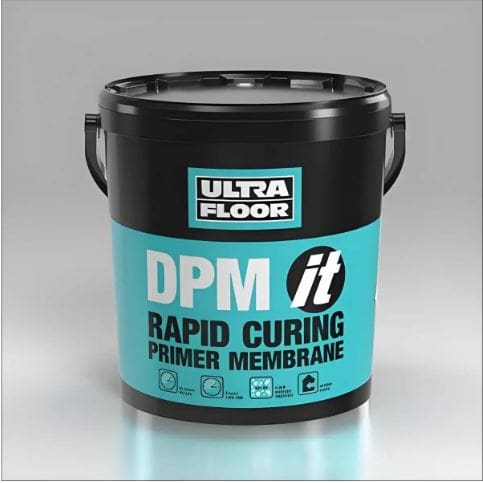
- Damp-proof membranes (DPMs) for high-moisture areas
- Acoustic underlays with moisture protection for laminates and LVT
Choosing the correct underlay is just as important as choosing the flooring itself.
Control Indoor Humidity
- Use dehumidifiers in basements or damp rooms
- Ensure proper ventilation in kitchens and bathrooms
- Maintain consistent heating during colder months
Stable humidity helps prevent expansion and contraction.
Fix Leaks Immediately
Even small leaks can cause major damage if left untreated. Regularly check:
- Pipes
- Appliances
- Radiators
- Window seals
Acclimate Flooring
Wood and laminate products need time to adjust to the room’s temperature and humidity. This reduces the risk of movement after installation.
Check Subfloor Moisture Before Installation
Never skip moisture testing. Many warranties require documented moisture readings.
Best Flooring for Damp Areas
Some flooring types are naturally better suited to moisture-prone spaces such as bathrooms, basements, and utility rooms.
Top Recommendations
- SPC Flooring: Fully waterproof and extremely stable.
- LVT (Luxury Vinyl Tile): Highly water-resistant and comfortable underfoot.
- Sheet Vinyl: Excellent for wet rooms due to its seamless installation.
- Porcelain or Ceramic Tile: The gold standard for moisture-heavy environments.
Use With Caution
- Laminate: Only water-resistant versions should be used, and never in areas with standing water.
- Engineered Wood: Suitable for kitchens but not bathrooms.
- Solid Wood: Avoid in any damp or humid space.
Authored by Lee McCarthy.
Floor Land
Cockhedge Shopping Centre
Warrington
Cheshire
United Kingdom
WA1 2QQ