
The architectural world has always been divided between two powerful design philosophies that shape how we build and experience our surroundings. Modern architecture embraces clean lines and functional simplicity, while traditional architecture celebrates ornate details and historical connections. For property owners, developers, and anyone passionate about design, understanding these differences isn’t just academic, it’s essential for making choices that match your vision, meet your practical needs, and protect your investment. Let’s explore what makes each approach valuable and how they both contribute something special to the spaces where we live and work.
Defining Characteristics of Modern Architecture
Modern architecture burst onto the scene in the early twentieth century, turning its back on centuries of decorative tradition. The core belief? Forms should follow function, nothing more, nothing less. You’ll recognize modern buildings by their clean lines, open spaces, and honest use of materials like steel, glass, and concrete. There’s something refreshing about the way modern designs skip unnecessary ornamentation and instead focus on what the space actually needs to do. Floor-to-ceiling windows have become almost a signature move, dissolving the barrier between inside and outside while flooding rooms with natural light. The beauty of modern architecture often lies in what it doesn’t include, those soaring cantilevers and dramatic overhangs are only possible because modern construction techniques have freed designers from traditional limitations. Its architecture stripped down to its essence, and for many people, that simplicity feels liberating.
Traditional Architecture and Its Timeless Appeal
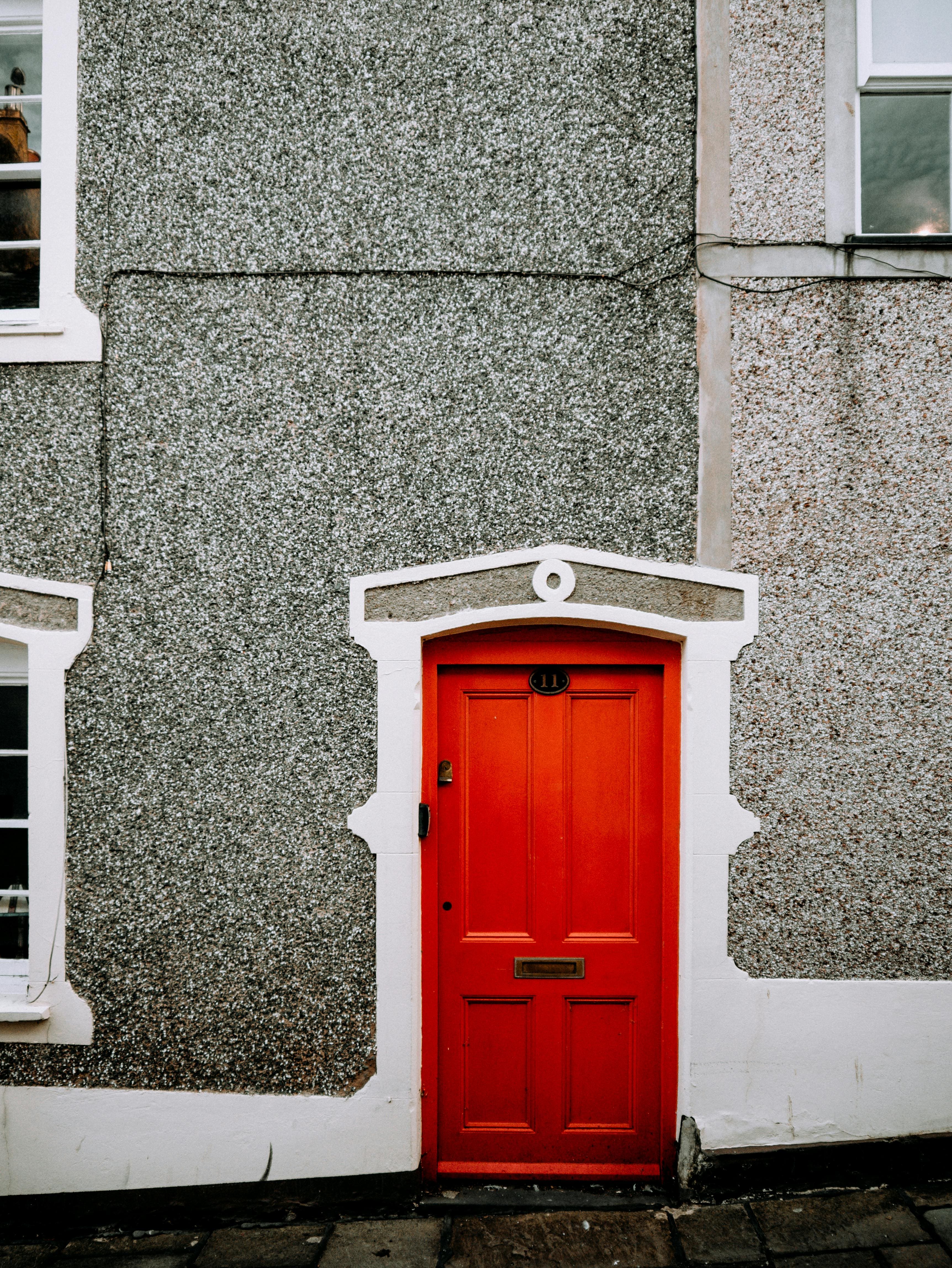
Traditional architecture tells a different story, one rooted in place, history, and cultural memory. From Colonial symmetry to Victorian flourishes, Mediterranean warmth to Craftsman honesty, these styles have evolved organically over centuries. They reflect local materials, respond to regional climates, and carry forward design elements that mean something to the communities where they’re built. Walk past a traditional building and you’ll notice the pitched roofs, the balanced proportions, the decorative trim that speaks to craftsmanship and care.
Energy Efficiency and Sustainability Considerations
Here’s where things get interesting, both modern and traditional architecture can claim sustainability victories, just through different strategies. Modern buildings leverage cutting-edge technology: high-performance glazing that looks stunning while keeping heat where you want it, integrated solar panels that blend into minimalist rooflines, and smart HVAC systems that optimize energy use. Those open floor plans aren’t just aesthetically pleasing, they also reduce the need for artificial lighting and improve airflow naturally. But traditional architecture wasn’t developed yesterday, and builders in previous centuries knew a thing or two about working with nature rather than against it.
Construction Costs and Long-Term Value
Money matters, and the financial picture for modern versus traditional architecture is more nuanced than you might expect. Modern designs can save money upfront by eliminating ornamental details and using standardized components, there’s less custom millwork and fewer labor-intensive finishes to worry about. The flexibility of open floor plans is particularly valuable in commercial settings were needs change frequently, allowing renovations without major structural work. However, don’t assume modern always means cheaper.
Cultural Context and Community Integration
Every building you construct or renovate says something to its neighbors, and those conversations matter. Traditional architecture maintains the thread of community identity by respecting what’s already there, preserving the character that makes a neighborhood distinctive rather than generic. This sensitivity to context does more than just look nice; it often protects property values throughout the entire area. On the flip side, modern architecture can inject new energy into tired neighborhoods, signaling progress and contemporary thinking. The trick is getting the balance right, a thoughtfully designed modern building can absolutely coexist with traditional neighbors when architects pay attention to scale, proportion, and materials. When designing mountain residences that balance contemporary aesthetics with alpine environmental considerations, Aspen area architects work to create structures that respond to both dramatic natural settings and established community character. These decisions reflect bigger questions about how communities evolve, should we preserve what we have or embrace change? Some places thrive on architectural diversity, viewing it as a reflection of dynamic character, while others maintain strict guidelines to protect visual harmony. Understanding your community’s values, planning objectives, and historical context helps ensure your project enhances rather than disrupts the neighborhood fabric.
Functional Advantages and Lifestyle Alignment
How you live should determine how you build, and modern and traditional architecture serve different lifestyles remarkably well. Modern spaces shine when you want fluidity and adaptability, perfect for contemporary living patterns that prioritize open-concept entertaining, flexible work-from-home spaces, and uncluttered aesthetics. Without interior load-bearing walls constraining the layout, you get those dramatic spatial volumes and the freedom to reconfigure rooms as your needs change. Those expansive windows create stunning connections to outdoor spaces, particularly valuable when you’ve got great views or pleasant weather to enjoy.
Conclusion
There’s no definitive winner in the modern versus traditional architecture debate, and honestly, that’s what makes it interesting. Modern design delivers spatial efficiency, seamless technology integration, and innovative sustainability solutions wrapped in bold contemporary aesthetics. Traditional architecture offers cultural depth, proven durability, and timeless appeal developed through generations of refinement. What works best depends entirely on your specific situation: the site you’re building on, your local climate, your community’s character, your budget realities, and how you actually want to live.