

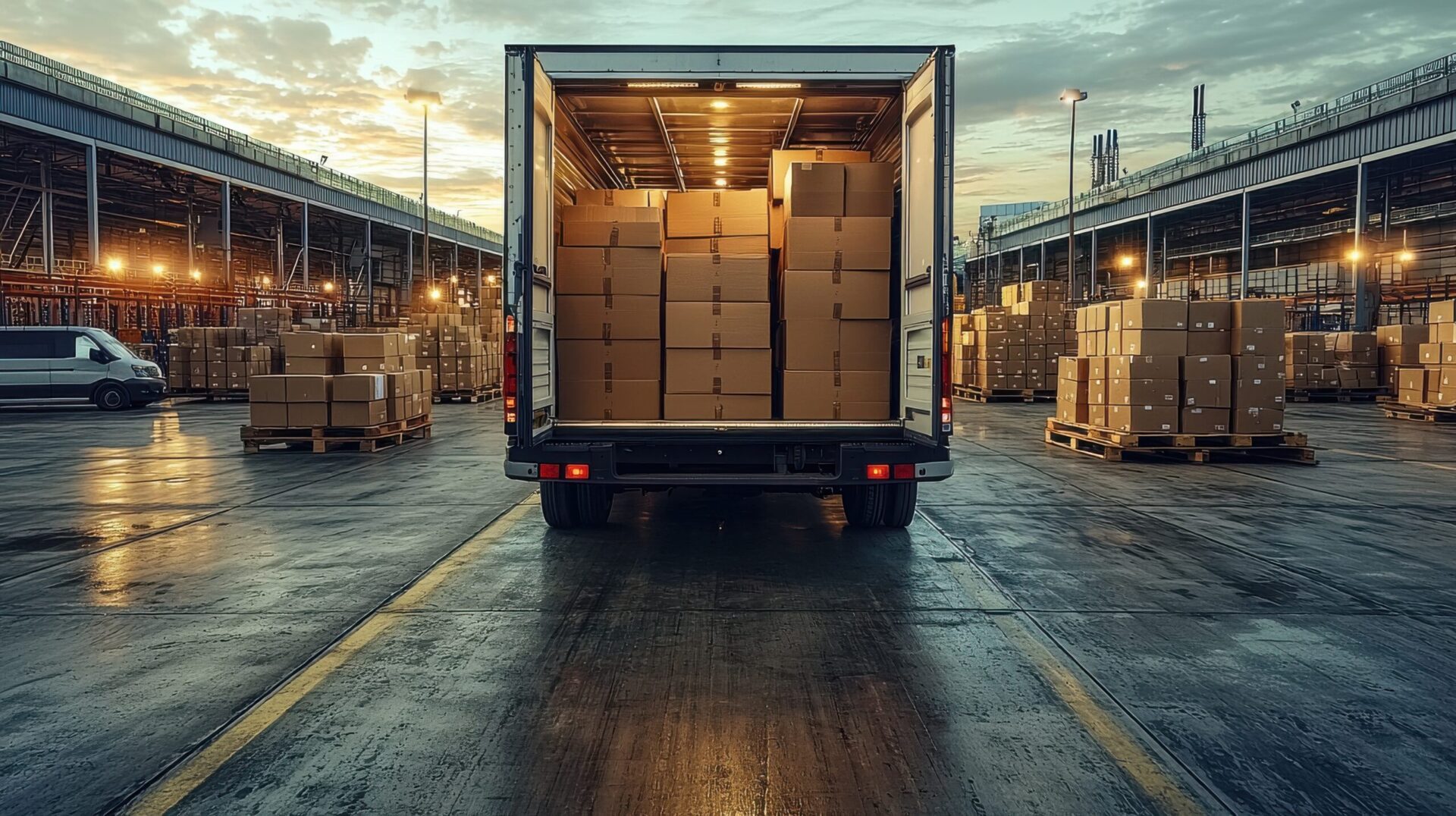
Two of the most significant risks in the current global transportation environment are still cargo theft and tampering. As goods move faster and farther across borders, they also face greater exposure to organized theft, internal mishandling, counterfeiting, and tampering at various points in the supply chain. In addition to causing monetary losses, these security lapses impair operations, damage consumer confidence, and jeopardize safety—particularly when shipping food, gadgets, or medications. Red Flag cable seals offer an added layer of tamper resistance for high-risk shipments, combining adjustable strength with easy visual verification to secure cargo across diverse transportation modes.
Businesses are increasingly using cutting-edge tools and technologies made to prevent, detect, and respond to cargo crime in order to remain ahead of these changing risks. From advanced physical seals to real-time tracking systems, the new era of cargo protection is built on intelligent, integrated solutions. Here are some of the best tools now in use to prevent cargo theft and manipulation.
1. Tamper-Evident Security Seals
Tamper-evident seals remain one of the most reliable frontline defenses against unauthorized access. These tools act as both deterrents and indicators, helping handlers and inspectors instantly identify whether a shipment has been opened or compromised.
Modern options include:
- Bolt Seals: Ideal for containers and trailers, they offer strong resistance to tampering and are often ISO 17712 certified for high security.
- Cable Seals: Adjustable and durable, used widely for rail, air, and sea cargo.
- Pull-Tight Plastic Seals: Lightweight and cost-effective, suited for smaller cargo and internal logistics.
2. Smart GPS Tracking Devices
Real-time location tracking is now a must-have for cargo security. GPS-enabled devices allow logistics teams to monitor shipment progress, detect unauthorized route deviations, and respond to theft attempts before significant loss occurs.
Many trackers offer geofencing capabilities—sending alerts if cargo leaves a predefined area. This proactive approach gives carriers and shippers greater control and enables quicker intervention in the event of suspicious activity.
3. IoT Sensors For Environmental And Tamper Monitoring
The Internet of Things (IoT) has revolutionized cargo monitoring beyond just location tracking. Modern smart sensors are able to monitor:
- Temperature and humidity for perishable goods.
- Shock and vibration for sensitive equipment.
- Light exposure indicates if a container has been opened.
- Seal breaches, with immediate alerts to central systems.
These insights not only protect against tampering but also ensure cargo quality and compliance with shipping standards, especially for pharmaceuticals and food.
4. Blockchain For Chain-Of-Custody Assurance
By producing time-stamped, unchangeable records of each transaction and handoff, blockchain technology increases security and transparency. In cargo logistics, this can be used to:
- Document each step of the shipment journey.
- Authenticate products and packaging.
- Prevent data manipulation in supply chain records.
By using blockchain, companies ensure that any attempt to alter the flow or contents of a shipment is traceable and visible to all stakeholders.
5. Integrated Security Platforms And Control Towers
Many companies now use centralized control towers that integrate multiple security tools into a single dashboard. These platforms allow real-time decision-making by combining data from GPS trackers, IoT devices, shipment logs, and more.
Such platforms provide:
- Live shipment visibility.
- Automated risk alerts.
- Historical analysis to identify theft-prone routes or trends.
- Centralized communication among teams, carriers, and security partners.
This system-level visibility enhances coordination and improves response times in critical situations.
6. Employee Training And Security Protocols
While not a device or system, training is a vital tool in combating cargo theft and tampering. Employees must be trained to:
- Recognize signs of tampering.
- Properly seal and inspect cargo.
- Follow secure loading/unloading procedures.
- Report suspicious behavior or irregularities immediately.
Even the most advanced technology is ineffective without personnel who understand and support the protocols.
Final Thoughts
Cargo theft and tampering are evolving threats that require a proactive and layered security strategy. Modern tools—from tamper-evident seals like those offered by red flag cargo to real-time IoT monitoring and blockchain documentation—provide businesses with the means to detect, deter, and respond to risks effectively.
As supply chains grow more complex, investing in the right combination of physical tools, digital technologies, and human awareness is essential for maintaining cargo integrity, ensuring smooth operations, and protecting your reputation in a high-stakes global market.