

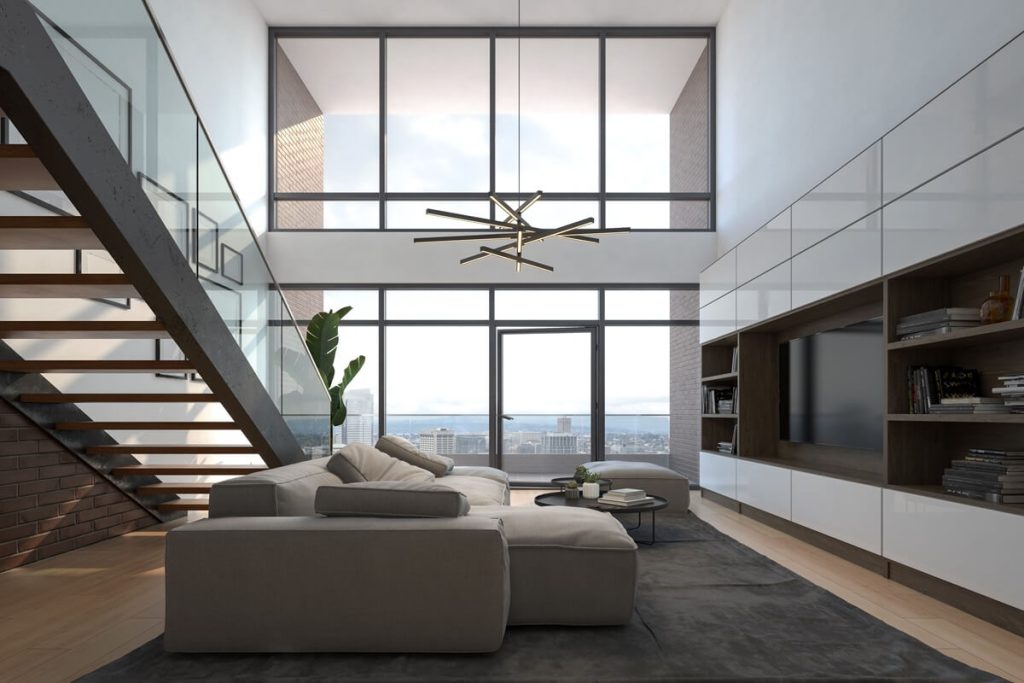
Multi-story residential developments require railing systems that balance form and function. These structures must be aesthetically pleasing, exceptionally durable, and strictly compliant with high-altitude safety regulations. Modern railing solutions leverage advanced materials and innovative engineering to meet the rigorous demands of contemporary urban living. From high-rise balconies to luxury penthouses, architects now utilize sleek glass and stainless steel to create secure, visually striking environments.
Selecting the right system is vital for structural integrity and property value. This guide explores the most effective railing technologies available for developers and architects today. If you are sourcing premium hardware for a large-scale project, you can explore professional options at the Unikim Official Website.
What Defines Modern Railing Solutions?
Contemporary railing systems are defined by their use of high-performance materials like 316-grade stainless steel, tempered safety glass, and architectural aluminum. Unlike traditional wood or iron, these systems focus on minimalism and longevity.
These solutions are particularly essential for:
- High-Rise Balconies: Where wind load and safety are the top priorities.
- Rooftop Terraces: Requiring weather-resistant materials and unobstructed views.
- Common Area Staircases: Needing high-durability finishes for heavy foot traffic.
For a foundational look at these structures, see our comprehensive guide on what is a railing system.
Why Multi-Story Projects Require Specialized Systems
Buildings with multiple floors face environmental and structural challenges that ground-level homes do not:
- Height Safety & Load Requirements: Railings must act as a reliable fall-prevention barrier capable of withstanding significant lateral force.
- Environmental Resilience: Higher elevations increase exposure to intense UV rays and high wind speeds.
- Low Lifecycle Costs: In large residential complexes, materials that require zero painting and minimal cleaning—like modern railing solutions—significantly reduce HOA and maintenance fees.
Top Railing Configurations for Residential Developers
1. Frameless Glass Railing Systems
Glass remains the premier choice for luxury multi-story projects. By using frameless glass railing systems, architects can maximize natural light and make smaller balconies feel expansive. These are typically anchored using heavy-duty stainless steel spigots or base channels.
2. Stainless Steel Cable Railings
Combining industrial strength with a sleek profile, stainless steel cable railing systems are ideal for modern staircases and balconies. They offer a transparent look while being incredibly resilient to structural vibrations.
3. Aluminum Profile Systems
Aluminum is favored for its lightweight nature and natural resistance to rust. The glass railing system aluminum profile is a versatile solution often used in high-rise common areas where cost-effectiveness and durability must meet.
Key Technical Benefits
- Safety Compliance: Modern systems are engineered to meet international codes for height (typically 42 inches) and load-bearing capacity. For projects involving amenities, our pool fence safety guidelines serve as an excellent reference for residential safety standards.
- Material Integrity: Utilizing 316-grade stainless steel ensures that components won’t “tea stain” or rust, even in coastal urban environments.
- Design Flexibility: Modern hardware allows for customization in height and infill patterns to match the specific architectural language of the building.
Installation & Best Practices
Ensuring long-term performance requires more than just high-quality hardware. Best practices include:
- Structural Anchoring: Posts must be secured to the building’s concrete or steel frame using professional-grade anchors.
- Precision Alignment: Using laser levels to ensure every panel and cable is perfectly straight across long balcony runs.
- Regular Inspections: Especially in high-occupancy buildings, checking tension and fasteners annually is key.
For a deep dive into the technical execution of these projects, visit our resource on how to install railing systems.
Summary
The shift toward modern railing solutions is transforming the silhouette of multi-story residential architecture. By integrating frameless glass, tensioned cables, and high-grade aluminum, developers can provide residents with safe, low-maintenance, and beautiful outdoor spaces.
For professional-grade components and expert guidance, visit the Unikim product gallery or follow the Unikim Railings YouTube channel for project demonstrations. Ready to specify for your next development? Contact our team for technical support and custom quotes.
FAQs
Q. Are cable railings safe for high-rise buildings? A. Yes. When tensioned correctly and spaced no more than 4 inches apart, cable railings meet and often exceed residential safety codes.
Q. What glass thickness is best for multi-story balconies? A. Typically, 12mm to 15mm tempered or laminated glass is used to ensure maximum impact resistance and safety.
Q. How often do stainless steel railings need maintenance? A. A simple rinse with fresh water and mild soap once or twice a year is usually enough to keep 316-grade steel in perfect condition.