
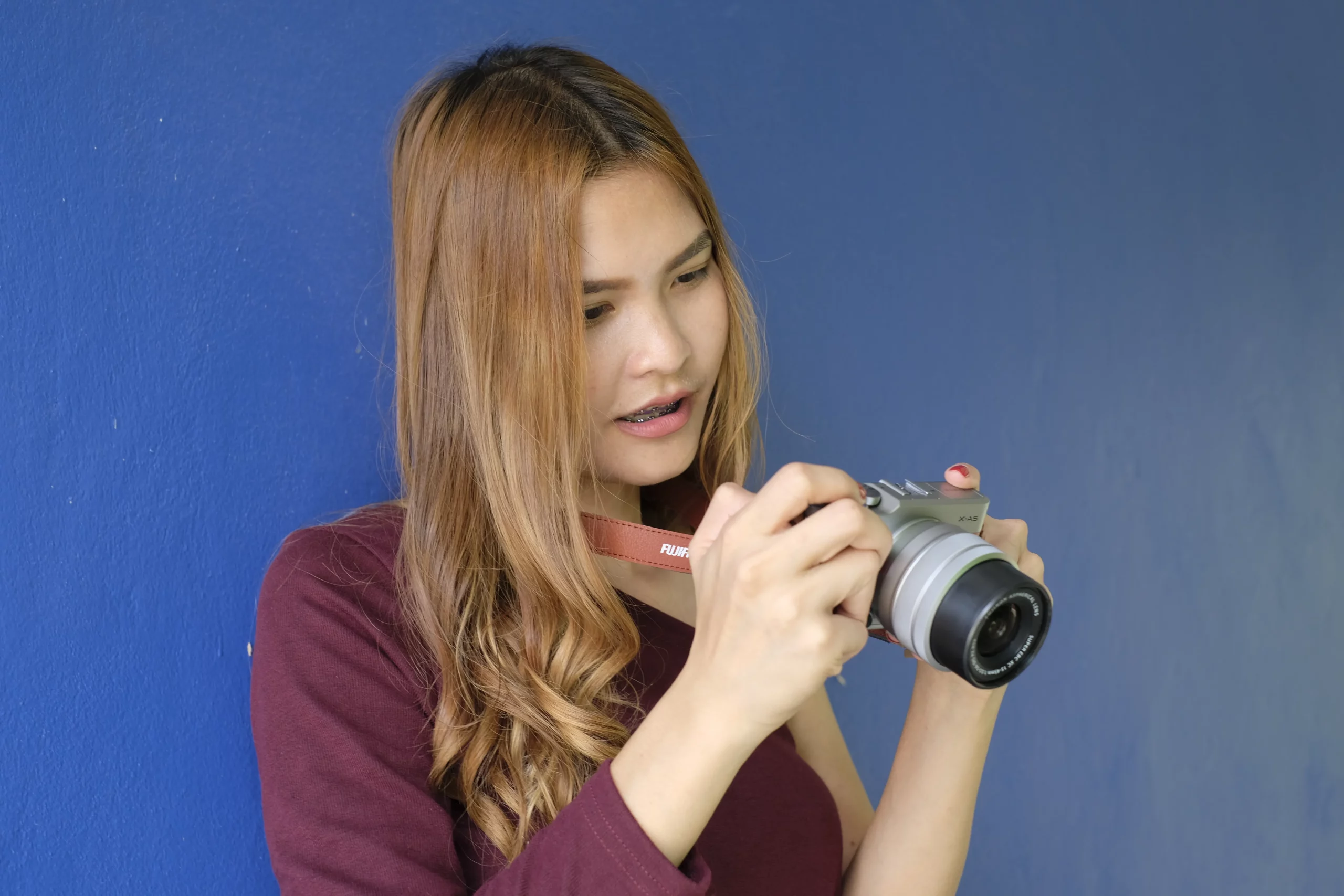
Portrait photography is one of the most meaningful and expressive forms of visual art. It goes far beyond flattering angles or professional lighting—it’s about understanding people, noticing subtle details, and bringing out a story that only a camera can freeze in time. Whether you’re photographing your first client, improving your creative skillset, or refining your studio portfolio, mastering portrait photography opens the door to endless artistic opportunities.
In this guide, we break down essential concepts, modern techniques, and practical tips that help you create portraits that feel authentic, polished, and deeply human.
Why Portrait Photography Matters Today
Even in a digital age filled with quick selfies and smartphone snaps, thoughtful portraits still hold immense value. People want images that:
- Reflect their personality
- Capture important chapters of life
- Bring out confidence and character
- Preserve emotional moments
Families want portraits for generational memories. Professionals need them for branding and careers. Artists use portraits to express identity.
This makes portrait photography a skill that blends creative vision with emotional sensitivity.
Understanding the Foundations of Strong Portrait Photography
1. Light: The Photographer’s Most Powerful Tool
Lighting shapes mood, expression, and the entire feel of a portrait. Even beginner photographers benefit greatly from learning how to “read” light.
Popular lighting approaches include:
- Natural light portraits
Soft window light, diffused outdoor light, or golden hour glow. - Studio lighting
Controlled setups using softboxes, LED panels, or a beauty dish. - Split or Rembrandt lighting
Ideal for dramatic, artistic portraits. - Backlighting
Creates dreamy, ethereal images with glowing hair and silhouettes.
Regardless of your style, aim for lighting that complements skin tones and highlights the subject’s best features.
2. Posing That Feels Natural, Not Forced
Many people tense up when a camera appears. That’s why posing should feel like guidance—not a rigid set of instructions.
Useful posing principles include:
- Slight angles look better than straight-on positions
- Hands should feel relaxed and purposeful
- Micro-movements (tilting chin or shifting shoulders) refine the final look
- Encourage natural expression rather than exaggerated smiles
Even simple posing prompts like “Take a deep breath” or “Look slightly away from me” can create genuine, flattering results.
3. Composition That Brings Intention to the Portrait
While portrait photography allows creative freedom, some compositional techniques consistently lead to stronger images:
- Rule of thirds for balanced framing
- Centered symmetry for powerful, editorial portraits
- Leading lines such as door frames or pathways
- Foreground elements to create depth
- Shallow depth of field to isolate the subject
A well-composed portrait draws the viewer’s attention directly to the emotion in the subject’s eyes.
Popular Portrait Styles Every Photographer Should Explore
Lifestyle Portraits
Natural, expressive, and candid. Perfect for families, couples, and children.
Studio Portrait Photography
Clean, controlled, and professional. Ideal for headshots, branding, and editorial-style images.
Environmental Portraits
Shows the subject in a meaningful setting—work, home, or outdoors—to tell a deeper story.
Black and White Portraits
Timeless, emotional, and dramatic; ideal for highlighting expressions and texture.
Creative Concept Portraits
Use props, unique lighting, colored gels, or experimental angles for artistic results.
Each portrait style gives you room to explore your personal artistic voice.
How to Make Your Portrait Subjects Feel Comfortable
The best portraits happen when your subject trusts you and feels relaxed. Here’s how to create that environment:
- Start with light conversation before photographing
- Show a few preview shots to build confidence
- Give clear but friendly direction
- Avoid rushing the session
- Play music that sets the tone
Comfort translates directly into natural expressions and genuine emotions.
Equipment Essentials for Better Portrait Photography
You don’t need the most expensive gear to create beautiful portraits. A few reliable tools can significantly elevate your results:
- Prime lenses (50mm, 85mm, 35mm) for crisp detail and smooth background blur
- Reflectors to add soft fill light
- LED lights or flashes for controlled studio setups
- Neutral backdrops for classic portrait looks
- A sturdy tripod for consistent framing
What matters most is how you use your equipment—not how much it costs.
Tips to Improve Your Portrait Photography Skills
Here are practical steps you can apply to every session:
- Plan the photoshoot with outfit coordination and color themes.
- Choose the right location, whether it’s a studio, home, or outdoor setting.
- Focus on the eyes, ensuring they’re sharp and expressive.
- Shoot from multiple angles and distances.
- Refine editing carefully, enhancing natural beauty without over-processing.
Consistency and intention are key to producing portraits that people love.
Frequently Asked Questions
1. What is the best time of day for outdoor portraits?
Golden hour—right after sunrise or before sunset—offers soft, flattering light.
2. Do you need a studio to start portrait photography?
No. Natural light and simple backgrounds can produce stunning portraits.
3. Which lens is best for beginners?
A 50mm prime lens is affordable, versatile, and great for portraits.
4. How long does a portrait session usually last?
Around 45 minutes to 2 hours, depending on outfit changes and locations.
Conclusion
Portrait photography is a beautiful combination of craft, emotion, and creativity, allowing every image to tell a genuine story that people treasure for years. With thoughtful use of lighting, posing, composition, and clear communication, any photographer can transform simple portraits into meaningful, professional-quality work. Whether you’re working inside a controlled studio or exploring natural outdoor settings, each session offers an opportunity to create something unforgettable—qualities often associated with the best photographer in Bloomington.