
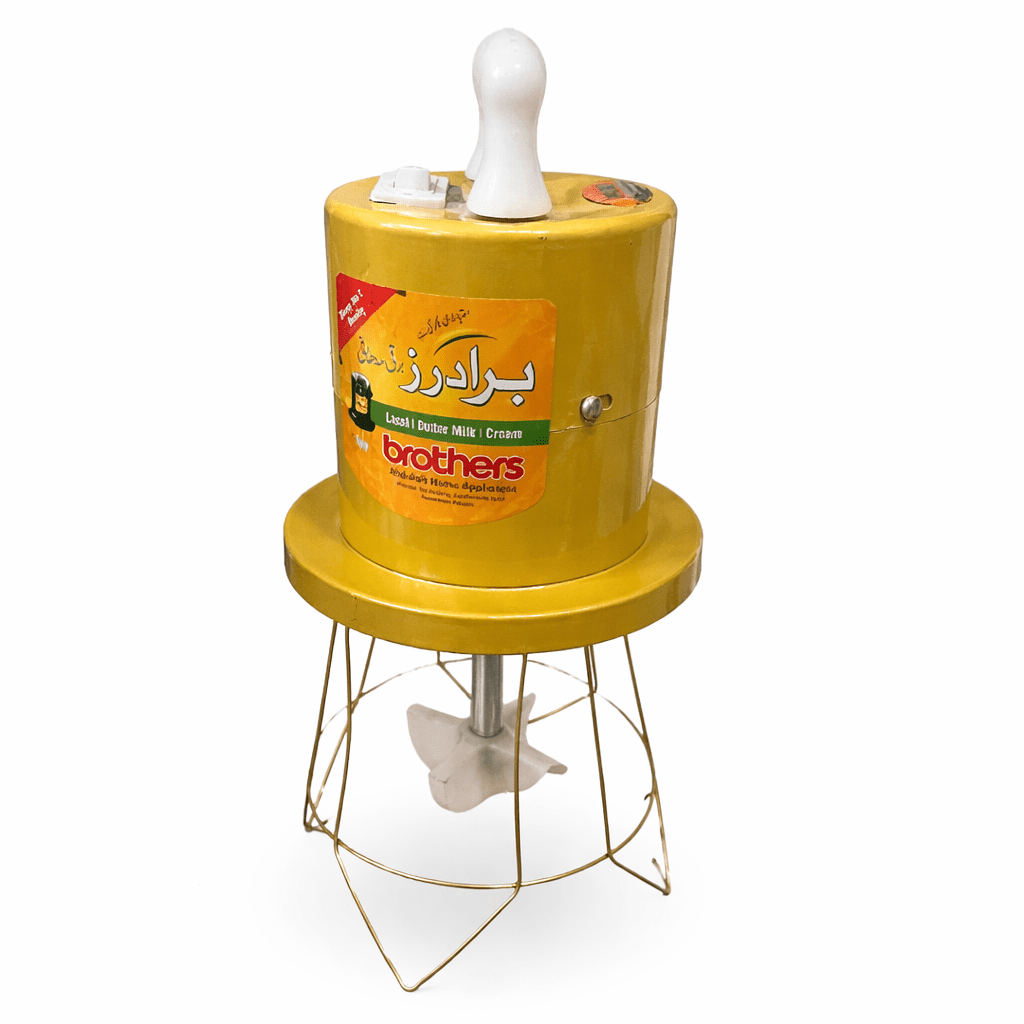
Cream separation may appear simple from the outside, but anyone who has worked around dairy equipment learns one thing sooner rather than later: the wrong setup slows down production, wastes fat, and creates cleaning headaches. A milk skimming machine is designed to separate cream from whole milk much faster and with far greater control than traditional hand-operated methods.
In 2026, well-matched milk skimming machines make all the difference. Milk production is rising globally, processors are increasing capacity, and dairy equipment standards continue to emphasize sanitary design, corrosion-resistant materials, and ease of cleaning.
From our end of the industry, the lesson is clear: purchasing a separator is not just about selecting a machine that spins fast. It is about efficiency, hygiene, labor savings, product consistency, and long-term profit.
What Is a Milk Skimmer Machine?
A separator is used in dairy processing to separate the cream from whole milk. In simple terms, the machine divides milk into two streams: cream and skimmed milk.
It is mainly used by dairy farms and milk processors to control fat content, extract cream more efficiently, and make better use of milk for profitable products. The right milk skimming machine also simplifies fat standardization, which is an important part of daily dairy operations.
Traditional skimming methods depended on gravity and time. Milk would sit for hours while the cream slowly rose to the top, and then someone would skim it off by hand. That process worked only on a very small scale. It was slow, less precise, and harder to keep clean. The modern separator changed that by introducing a controlled mechanical process that handles larger volumes and delivers more uniform results.
How Does the Milk Skimming Machine Work?
A milk skimming machine works on the principle of centrifugal force. Milk is fed into the separator bowl, where it spins at high speed. Because cream is lighter than milk serum, the fat phase moves in one direction while the heavier skim milk phase moves in another.
Disc-stack separator designs create a longer separation path, which improves efficiency. Functionally, the machine receives raw or processed milk, extracts the cream, and sends skimmed milk through a separate outlet. The final result depends on factors such as bowl speed, disc-stack design, and flow accuracy.
Hygienic design is just as important as speed. Product-contact surfaces in dairy plants must be smooth, corrosion-resistant, non-toxic, and easy to clean. That is why stainless steel remains the preferred material for serious buyers.
Pros of Using a Milk Skimming Machine
A good separator provides faster cream separation, allowing a larger volume of milk to be processed in less time.
It also improves overall processing efficiency. Instead of relying on natural creaming, operators can process milk continuously, maximize separation performance, and plan output more accurately.
Hygiene is another major benefit. Closed and easy-clean systems reduce the risk of contamination, which is important in any dairy operation, whether supplying local customers or large processing networks.
You also get more consistent cream quality for butter, cream products, and cheese production. Labor requirements decrease, delays are reduced, and the business captures more value from every liter of milk.
Applications of a Milk Skimming Machine
Milk skimming machines are used in small dairy farms, commercial dairy plants, milk collection centers, and food processing units. They are essential in the production of butter, cheese, fresh cream, and other high-fat dairy ingredients where accurate cream separation is necessary to maintain product quality and production flow.
Milk Skimming Machine Buying Guide: Key Features
Start with capacity and output. If your line handles 100 liters an hour, do not shop like a 20-liter operation. If you are producing on a larger scale, make sure the machine can support future growth as well.
Second, look closely at the material and build quality. A well-constructed frame, sanitary finish, and dependable internal components matter much more in the long run than a lower upfront price.
Third, compare power consumption. An industrial milk skimming machine may deliver high output, but it still needs to fit within your operating budget.
Fourth, think about cleaning and maintenance. Equipment with inaccessible corners or poor drainage tends to create long-term problems.
Fifth, consider installation requirements. The machine should fit your floor plan, utility setup, and workflow without causing disruption.
Sixth, review safety features such as low noise, reduced vibration, safety guards, and overload protection.
Finally, examine after-sales support and spare parts availability. A small farm may not need an industrial cream separator, but a growing processor can quickly outgrow basic cream-separating equipment.
Dairy Cream Separator vs. Traditional Method of Skimming Milk
The biggest difference is speed. Traditional cream separation depends on time and manual effort, while a modern separator performs the same task much faster.
The second difference is quality control. A separator gives more consistent cream separation and allows better fat standardization.
The third difference is hygiene. Manual methods increase exposure and handling, while modern separator systems are designed for more sanitary processing.
Although traditional methods may seem less expensive at first, they often lead to higher overall costs because of labor, slower output, and reduced cream recovery.
Maintenance Tips for Long-Lasting Performance
Clean the machine after every use. Dairy residue builds up quickly, and delayed cleaning makes the next cycle more difficult.
Inspect moving parts regularly to ensure smooth operation and prevent breakdowns.
Follow the manufacturer’s maintenance schedule and replace worn components before they affect performance.
Top Mistakes to Avoid When Buying a Milk Skimming Machine
One common mistake is underestimating the required capacity. This leads to delays and limits productivity from the start.
Another mistake is ignoring hygiene standards. In dairy processing, cleanability, surface quality, and material choice are not optional. They are essential.
Some buyers also focus only on price. A cheaper machine may cost more over time through poor performance, higher maintenance, and shorter service life.
It is also important to think about growth. As dairy processors expand capacity and demand for butter and cheese remains strong, efficient fat separation becomes part of a smarter long-term production strategy.
FAQs
How does a milk skimming machine operate?
It separates cream from whole milk and gives two outputs: cream and skimmed milk.
How do you select an industrial milk skimming machine?
Look at hourly capacity, sanitary material, power consumption, cleaning design, efficiency, safety features, and after-sales support.
Why is stainless steel preferred in dairy skimming equipment?
Because it is hygienic, corrosion-resistant, durable, and easier to clean in demanding dairy environments.