
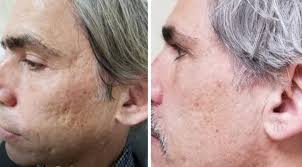
Dark spots, melasma, and post‑inflammatory hyperpigmentation (PIH) share one thing in common: excess melanin sitting where you do not want it. Hyperpigmentation can be stubborn, and choosing between microneedling and a chemical peel is not as simple as asking which treatment is “stronger.” The real question is which option is best matched to your pigment type, skin tone, and tolerance for downtime.
This guide breaks down how each treatment works, who it tends to suit best, and why a personalized plan with a qualified provider usually outperforms a one‑size‑fits‑all approach.
Hyperpigmentation Basics: Why Type and Skin Tone Matter
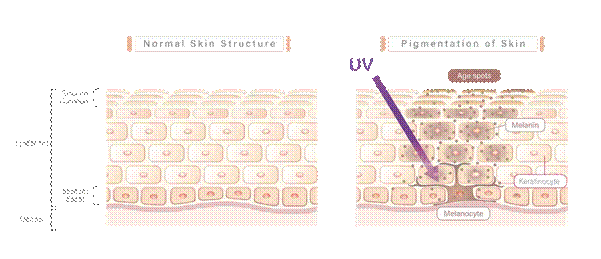
Hyperpigmentation appears when melanocytes overproduce pigment, leaving patches that are darker than the surrounding skin. The three most common patterns seen in clinics are:
- Sun spots (lentigines): Small, clearly edged brown spots linked to chronic UV exposure, usually quite superficial and often easiest to lighten.
- Melasma: Symmetrical patches on the cheeks, upper lip, or forehead, strongly influenced by hormones, genetics, and sun; it can be epidermal, dermal, or mixed and is notoriously recurrent.
- Post‑inflammatory hyperpigmentation (PIH): Marks left behind after acne, eczema, or harsh cosmetic procedures, especially common and more intense in medium‑to‑deep skin tones (Fitzpatrick III–VI).
Because heat and inflammation can trigger pigment rebound, certain aggressive procedures or too‑strong peels may actually darken the skin, particularly in darker Fitzpatrick types. This is why treatment choice and parameter selection are so critical for richly melanated skin.
How Microneedling Targets Pigment
Microneedling (Collagen Induction Therapy) uses fine needles to create controlled micro‑channels in the skin without removing the surface layer. These micro‑injuries stimulate collagen and elastin production and speed up cell turnover, helping break up and gradually clear out excess melanin.
An added benefit is enhanced penetration of brightening topicals such as vitamin C, tranexamic acid, and other depigmenting agents that act directly on melanocytes and the pigment pathway. Systematic reviews and clinical studies report that microneedling combined with targeted topicals can reduce melasma severity and hyperpigmentation scores by meaningful margins (often approaching or exceeding 50–60% improvement over several months), with relatively low complication rates.
Because microneedling is non‑ablative and generates little heat, its risk of PIH is generally low, making it an attractive choice for sensitive skin and Fitzpatrick IV–VI when performed correctly. Downtime is usually limited to redness and mild swelling for 24–72 hours, which appeals to busy patients who cannot take a week off for visible peeling.
How Chemical Peels Fade Dark Spots
Chemical peels rely on acids to dissolve bonds between dead, pigmented cells and accelerate shedding of melanin‑rich layers. Superficial AHA peels (like glycolic, lactic, and mandelic) are widely used for sun spots, dullness, and mild PIH, often delivered in a series of treatments.
- Glycolic acid penetrates efficiently and is well supported for photoaging and epidermal pigment.
- Lactic acid offers gentler exfoliation with hydration, making it popular in drier or more sensitive skin.
- Salicylic acid (a BHA) is oil‑soluble and especially useful for acne‑related PIH because it can reach into pores as well as the surface.
Medium‑depth TCA peels can reach deeper pigment and deliver more dramatic, single‑session changes, but they carry a higher risk of PIH, prolonged redness, and even hypopigmentation—particularly in darker skin tones if not carefully customized. Dermatologic literature notes that medium and deep peels have two‑to‑three‑times higher rates of PIH in Fitzpatrick IV–VI compared with lighter types, reinforcing the need for expert evaluation and pretreatment when used in these patients.
Microneedling vs. Chemical Peel: Which Is Better?
For purely superficial sun damage in lighter skin tones, a series of gentle chemical peels can often deliver faster visible brightening and spot fading than microneedling alone. Patients may see notable softening of sun spots and overall radiance after just a few sessions, especially when combined with daily sunscreen and at‑home pigment control.
For deeper, mixed, or hormonally driven pigmentation such as melasma—or when treating medium to deep skin tones—microneedling (usually paired with topicals) tends to offer a more conservative and safer route. Studies comparing microneedling to glycolic acid peels in melasma and PIH show that microneedling can provide equal or superior lightening with better tolerability and less risk of rebound pigmentation.
From a downtime perspective, microneedling typically means a couple of days of redness versus several days of visible peeling with many medium‑strength peels. However, a single medium‑depth peel may achieve in one session what several microneedling treatments would need more time to deliver, so expectations and timelines should be discussed up front.
Why Combination and Personalization Win
Increasingly, evidence supports combination strategies: for example, a course of gentle AHA peels to lift surface pigment, followed by microneedling sessions spaced weeks apart to remodel deeper layers and boost penetration of brightening agents. Reviews of melasma and PIH management indicate that such layered protocols can maximize pigment clearance while keeping complication rates low when tailored to individual skin types.
In practice, the “better” treatment is the one that matches your hyperpigmentation type, Fitzpatrick skin type, medical history, and lifestyle. An experienced skincare specialist will map your pigment, assess your risk of PIH, and design a plan that might prioritize microneedling, chemical peels, or a staged combination of both rather than relying on a single technique.
If you live in New York City and want evidence‑based care for melasma, sun spots, or PIH, the Skincare Sommelier team in Forest Hills is here to guide you safely through your options.
Skincare Sommelier Beauty Lab & Med Spa
112-05 75th Avenue, Forest Hills, NY 11375
+12125405444