
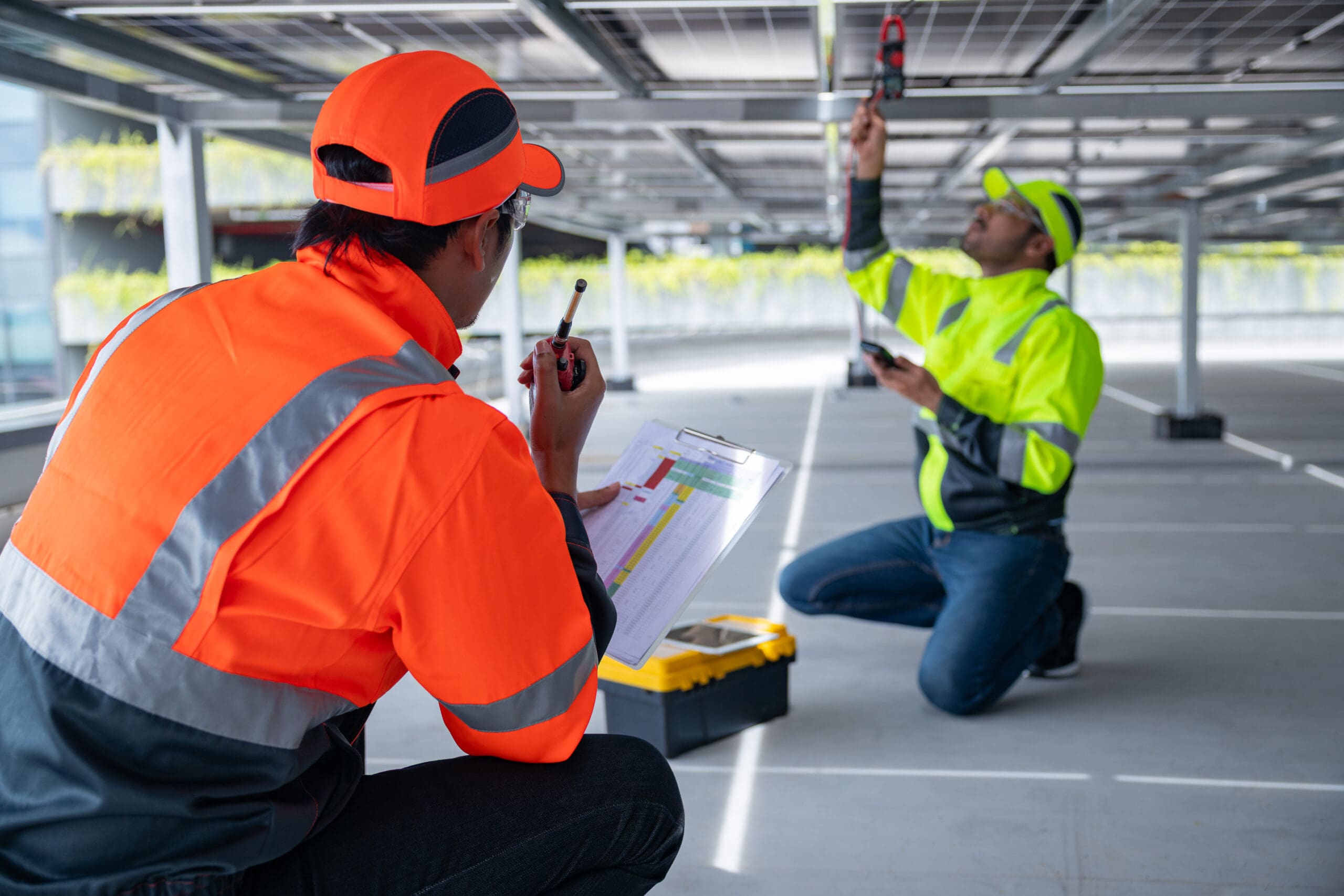
Building and pest inspections provide an independent assessment of the property’s structural condition and potential risks. These inspections help buyers identify defects, estimate repair costs, and make informed decisions before committing to the purchase.
This guide explains what building and pest inspections involve, why they are important in Melbourne, and what property buyers should expect from the process.
What Is a Building and Pest Inspection?
A building and pest inspection combines two different assessments of a property. The building inspection focuses on the structural condition of the property, while the pest inspection checks for timber pests such as termites.
Together, these inspections provide a more complete understanding of the property’s condition. Inspectors examine accessible areas of the home, including the roof space, subfloor areas, internal rooms, and external structures.
After the inspection, a detailed report is prepared outlining any defects, structural concerns, or pest activity that may affect the property.
Why Melbourne Buyers Should Consider Both Inspections
Melbourne has a diverse housing market with properties built across many different decades. Older homes may contain ageing materials or structural wear, while even newer properties can have construction defects.
Timber pests are also a common concern in Australia. Termites can damage structural timber without obvious external signs. Because of this risk, pest inspections are often recommended alongside building inspections.
A combined inspection helps identify both structural issues and pest activity before the purchase is finalised.
Some common problems inspectors identify include:
• structural cracks
• roof leaks
• drainage problems
• timber rot
• termite damage
• moisture issues
• ventilation problems
Detecting these problems early can help buyers avoid unexpected repair costs.
What a Building Inspection Covers
A building inspection focuses on identifying structural defects and maintenance issues within the property.
Structural Components
Inspectors assess the foundations, walls, ceilings, and floors to look for signs of structural movement or cracking. Uneven floors, large cracks, or shifting walls may indicate foundation movement or structural stress.
Roof and Roof Space
The roof structure is inspected for damaged roofing materials, deteriorating flashing, or blocked drainage systems. Inside the roof space, inspectors may look for water leaks, timber damage, or insulation problems.
Some of the issues inspectors may identify include:
• roof leaks
• damaged roof timbers
• deteriorated roof coverings
• insulation problems
Exterior Walls and Brickwork
External walls are examined for cracks, damaged mortar, or signs of moisture penetration. Weatherboard homes are also checked for timber rot or deterioration.
Doors and Windows
Doors and windows are inspected to ensure they open and close correctly. Misalignment may suggest structural movement.
Inspectors also check frames for moisture damage or decay.
Subfloor Areas
If the house has a raised floor structure, inspectors may enter the subfloor space to assess the condition of timber supports and ventilation.
Common findings in subfloor areas include:
• moisture accumulation
• timber deterioration
• poor ventilation
• pest activity
Wet Areas
Bathrooms, laundries, and kitchens are inspected for waterproofing issues or signs of leaks.
Inspectors may identify:
• cracked tiles
• damaged grout
• mould or mildew
• leaking fixtures
Wet areas are often the source of long-term structural moisture problems.
Outdoor Structures
Inspectors may also examine external structures to ensure they are safe and structurally sound.
These structures may include:
• garages
• decks
• pergolas
• retaining walls
• fences
Damage or deterioration in these areas may require maintenance or repairs.
What a Pest Inspection Covers
A pest inspection focuses specifically on timber pests and conditions that may attract them.
The inspector checks accessible areas of the property for signs of termite activity or damage. Even if termites are not currently active, inspectors may identify conditions that increase the risk of infestation.
During a pest inspection, inspectors may look for:
• termite mud tubes
• hollow or damaged timber
• moisture sources
• timber in contact with soil
• previous termite treatments
Identifying these conditions early can help homeowners prevent future pest damage.
What Building and Pest Inspections Do Not Cover
Standard building and pest inspections are primarily visual assessments and do not involve destructive testing.
Most inspections do not include detailed testing of electrical systems, plumbing systems, gas appliances, or underground drainage. These systems typically require specialist inspections by licensed professionals.
If inspectors notice potential issues in these areas, they may recommend further evaluation by specialists.
Average Cost of Building and Pest Inspections in Melbourne
The cost of Building and pest inspection in Melbourne varies depending on the size and complexity of the property.
Typical price ranges in Melbourne include:
• building inspection: $300 – $600
• pest inspection: $250 – $500
• combined building and pest inspection: $450 – $800
While the inspection fee adds to the purchase process, it is relatively small compared to the potential cost of major structural repairs or termite damage.
When Should Buyers Arrange Inspections?
Building and pest inspections should ideally be arranged before committing to the purchase of a property.
Many buyers organise inspections during the cooling-off period after signing a contract. However, properties purchased at auction usually do not have a cooling-off period, so inspections should be completed before the auction if possible.
Some sellers also arrange pre-sale inspections to provide transparency for potential buyers.
How Buyers Use Inspection Reports
Inspection reports provide valuable information that can influence the purchasing decision.
Buyers may use the report to:
• negotiate the purchase price
• request repairs before settlement
• estimate future maintenance costs
• decide whether to proceed with the purchase
In some cases, inspection reports may reveal major defects that cause buyers to reconsider the purchase.
Choosing a Reliable Inspection Service
Selecting a reliable inspection service is important to ensure accurate and detailed reports.
Buyers should consider inspectors who have strong experience in residential construction and knowledge of Melbourne housing styles. Inspectors who provide clear reports with photographs and explanations can help buyers better understand the property’s condition.
Checking reviews and recommendations can also help identify inspectors with strong reputations.
Final Thoughts
Building and pest inspections are essential steps for anyone purchasing property in Melbourne. These inspections provide valuable insight into the condition of a property and help identify structural issues or pest damage before the purchase is completed.
Although inspections involve an additional cost, they can protect buyers from significant repair expenses and provide peace of mind when making one of life’s biggest financial decisions.
For Melbourne property buyers, arranging a professional building and pest inspection is a smart and responsible step before finalising a purchase.