


Ask most people what they know about cannabis and inflammation and you will get one of two answers. Either a blank look, because the connection has never occurred to them, or a vague acknowledgment that cannabis is somehow anti-inflammatory without any understanding of why or how or what that actually means for a person dealing with a real condition. This gap between the growing clinical interest in cannabinoids as anti-inflammatory agents and the average patient’s awareness of it is worth closing, because inflammation sits at the root of an enormous number of conditions that medical cannabis programs recognize as qualifying diagnoses. If you have been considering whether to pursue a medical marijuana card online for a condition that involves chronic inflammation, understanding the biological mechanism behind cannabis therapy gives you a much clearer sense of what you are actually working with and why it has the potential to help in ways that conventional anti-inflammatory drugs sometimes cannot.
This article goes deeper than the surface-level claim that cannabis reduces inflammation. It explains what inflammation actually is, why it becomes problematic when it turns chronic, which specific components of cannabis act on inflammatory pathways and through what mechanisms, and which conditions driven by chronic inflammation have shown the most meaningful response to cannabinoid therapy. This is the conversation that most patients never get to have, and it deserves more attention than it typically receives.
What Inflammation Actually Is and Why It Turns Against You
Inflammation gets a bad reputation, but it starts out as one of the body’s most essential protective responses. When tissue is damaged by injury, infection, or chemical irritation, the immune system dispatches a coordinated response designed to isolate the damage, destroy any pathogens present, and begin the repair process. The classic signs of acute inflammation, redness, warmth, swelling, and pain, are all byproducts of this response. Blood flow to the area increases, bringing immune cells and the proteins they need to do their work. The pain serves as a signal to protect the area from further damage while healing occurs.
When this process works correctly and resolves once the threat is addressed, it is entirely healthy. The problem begins when the inflammatory response does not turn off when it should, or when it activates in response to stimuli that do not represent a genuine external threat. This is chronic inflammation, and it is qualitatively different from the acute inflammation that follows a sprained ankle or a cut on your hand.
Chronic inflammation operates at a lower intensity than acute inflammation but persists over months and years. In some conditions, like rheumatoid arthritis or inflammatory bowel disease, the immune system is actively attacking the body’s own tissue. In others, like atherosclerosis or type 2 diabetes, chronic low-grade inflammation is woven into the metabolic dysfunction driving the condition. In still others, like chronic back pain following an old injury, what began as appropriate acute inflammation has simply never fully resolved, leaving the surrounding tissue in a state of persistent irritation that perpetuates pain long after the original damage has healed.
The challenge with chronic inflammation is that the drugs most commonly used to control it, non-steroidal anti-inflammatory drugs like ibuprofen and naproxen, corticosteroids, and biological agents for autoimmune conditions, all carry significant side effect burdens with long-term use. NSAIDs damage the gastrointestinal lining and increase cardiovascular risk with chronic use. Corticosteroids cause bone density loss, weight gain, blood sugar disruption, and immune suppression. Biologics are expensive, require injection or infusion, and suppress the immune system broadly rather than targeting the specific inflammatory pathways causing harm. This is the treatment landscape into which medical cannabis arrives as a genuinely different option.
How Cannabinoids Work on Inflammatory Pathways
The endocannabinoid system plays a direct and significant role in immune regulation and inflammatory control. This is not a speculative or peripheral claim. It is grounded in decades of basic science research that has identified cannabinoid receptors throughout the immune system, found endocannabinoids being produced at sites of inflammation, and demonstrated that the endocannabinoid system acts as one of the body’s primary braking mechanisms for inflammatory responses that have gone too far or persisted too long.
CB2 Receptors and Immune Modulation
While CB1 receptors are concentrated in the brain and central nervous system and are primarily responsible for the psychoactive effects of THC, CB2 receptors are found predominantly in immune tissue, including the spleen, thymus, tonsils, and throughout the peripheral immune system. When cannabis compounds bind to CB2 receptors, they influence the behavior of immune cells, including macrophages, T cells, and natural killer cells, in ways that tend to reduce the production of pro-inflammatory signaling molecules called cytokines.
This is significant because cytokine overproduction is a central feature of many chronic inflammatory conditions. Reducing cytokine signaling does not shut down the immune system entirely; it modulates it, pushing it toward a less aggressive inflammatory state without leaving the patient vulnerable to infection in the way that broad immunosuppressant drugs do. This targeted quality of cannabinoid action on immune regulation is one of the features that makes it scientifically interesting as a therapeutic approach.
CBD as a Multi-Target Anti-Inflammatory Agent
Cannabidiol works through several anti-inflammatory mechanisms simultaneously, which is part of why it has attracted such intense research attention. It inhibits the enzyme COX-2, the same enzyme targeted by ibuprofen and naproxen, which reduces the production of prostaglandins that drive pain and inflammation. It also activates PPAR-gamma receptors, which play a role in regulating inflammatory gene expression, reduces oxidative stress that contributes to tissue damage in inflamed areas, and modulates the adenosine signaling system in ways that have anti-inflammatory downstream effects.
The fact that CBD hits multiple inflammatory targets through different mechanisms simultaneously may explain why some patients whose conditions did not respond well to single-target anti-inflammatory drugs find more meaningful relief with CBD. When the inflammatory process is being addressed from several angles at once rather than one, the cumulative effect can be greater than any single pathway intervention would produce.
THC’s Contribution to Inflammation Control
THC also has meaningful anti-inflammatory properties beyond its well-known analgesic effects. It suppresses T cell proliferation, reduces the production of inflammatory cytokines, and has shown neuroprotective effects in contexts where neuroinflammation is a driver of damage, as in conditions like multiple sclerosis and certain forms of chronic neuropathic pain. For conditions with a neuroinflammatory component, the combination of CBD’s peripheral anti-inflammatory action and THC’s central nervous system effects addresses the condition at multiple levels simultaneously.
Conditions Driven by Chronic Inflammation Where Cannabis Shows Promise
With an understanding of the mechanism in place, it becomes much easier to see why medical cannabis programs have recognized such a wide range of conditions as qualifying diagnoses. The common thread running through many of them is chronic inflammation as a central driver of symptoms and disease progression.
Rheumatoid Arthritis and Autoimmune Joint Disease
Rheumatoid arthritis is a condition where the immune system attacks the synovial lining of joints, driving chronic inflammation that causes pain, swelling, and progressive joint destruction. It is exactly the kind of condition where the CB2-mediated immune modulation described above has direct relevance. Several clinical studies have shown that cannabis-based medicines reduce pain and improve sleep quality in rheumatoid arthritis patients, and patient surveys consistently report improvements in morning stiffness, joint tenderness, and overall functional ability. The ability to reduce the inflammatory burden on affected joints without the gastrointestinal and cardiovascular risks of long-term NSAID use is a meaningful advantage.
Inflammatory Bowel Disease
Crohn’s disease and ulcerative colitis involve chronic inflammation of the gastrointestinal tract that causes abdominal pain, cramping, diarrhea, and systemic fatigue that can make normal daily functioning extremely difficult. The gastrointestinal tract has a particularly high density of cannabinoid receptors, which may explain why many IBD patients report significant symptom relief from cannabis. Research has shown reductions in disease activity scores, improvements in quality of life measures, and in some cases reduced need for corticosteroids in IBD patients using cannabis. The fact that cannabis is administered in a way that does not damage the gastrointestinal lining, unlike NSAIDs, makes it especially compatible with a population whose digestive tissue is already compromised.
Multiple Sclerosis
Multiple sclerosis involves neuroinflammation and immune-mediated damage to the myelin sheaths surrounding nerve fibers. Cannabis has been studied more extensively in MS than in almost any other condition, partly because the patient community advocated early and persistently for research access. The evidence for cannabis reducing spasticity and neuropathic pain in MS is among the strongest in the medical cannabis literature, and the neuroinflammatory mechanism provides a clear biological rationale for why the effects occur.
Chronic Back Pain With Inflammatory Components
Not all chronic back pain has a significant inflammatory component, but a meaningful proportion does, particularly pain associated with degenerative disc disease, facet joint arthritis, or the chronic muscle inflammation that develops around an old injury site over years. For patients in this category, the anti-inflammatory properties of cannabinoids address something that purely analgesic approaches do not, potentially reducing the underlying inflammatory burden rather than simply masking the pain signal it produces.
An important nuance that patients often miss: the anti-inflammatory effects of cannabis are not immediate in the way that acute pain relief can be. Consistent daily use over several weeks tends to produce more meaningful inflammatory reduction than occasional or as-needed use. Patients who evaluate cannabis after a single use and conclude it is not working for their inflammatory condition may be judging too early.
Choosing the Right Products for Inflammation-Focused Therapy
Not every cannabis product is equally suited to patients whose primary goal is reducing chronic inflammation rather than managing acute symptom episodes. The most effective approaches for inflammatory conditions tend to involve consistent daily use of products with reliable cannabinoid content rather than intermittent use of variable products.
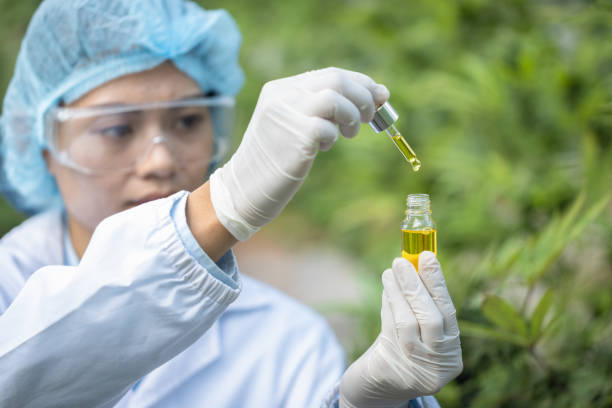
Oral CBD products, including tinctures, capsules, and softgels, are the most commonly recommended starting point for inflammation-focused cannabis therapy. They deliver consistent doses that maintain relatively steady cannabinoid levels in the body throughout the day, which aligns better with the goal of sustained inflammatory modulation than products with sharp peaks and rapid offset of effects. Patients managing inflammatory joint conditions often combine oral CBD products with topical CBD preparations applied directly to affected areas for localized anti-inflammatory relief alongside the systemic effect of the oral dose.
For patients whose conditions have a significant neuroinflammatory component or where THC’s additional mechanisms are clinically relevant, working with a physician to establish an appropriate THC-inclusive regimen makes sense. The same principles of consistent dosing and starting conservatively apply. The goal is maintaining a therapeutic cannabinoid presence in the system rather than producing episodic psychoactive effects.
Why Medical Authorization Matters More Than Ever for Inflammatory Conditions
Patients managing serious chronic inflammatory conditions are almost always already taking other medications, and the drug interaction considerations discussed in the context of seniors apply broadly to this population as well. Many of the pharmaceutical treatments for autoimmune and inflammatory conditions interact with CBD at the metabolic level, and some of those interactions require monitoring or dose adjustment that simply cannot happen without physician oversight.
Beyond safety, patients with documented inflammatory conditions benefit from the higher purchase limits, lower tax rates, and access to medical-grade products that come with proper medical authorization. For a patient using CBD daily as part of a consistent anti-inflammatory regimen, the cost difference between medical and recreational pricing over the course of a year is genuinely significant.
The process of establishing that authorization has never been more straightforward. For anyone currently managing a condition with a chronic inflammatory component and wondering whether cannabis therapy could complement or partially replace the treatments they are already using, the right first step is a conversation with a licensed physician who understands cannabis medicine. Obtaining a medical marijuana card online through a reputable telemedicine service makes that conversation accessible from home, without delay, and with the backing of doctors who take the science of cannabinoids and inflammation seriously rather than dismissing it out of habit.
The Bigger Picture
Chronic inflammation is one of the defining health challenges of modern life. It connects conditions that seem unrelated on the surface, from joint disease to digestive disorders to neurological conditions to metabolic illness, through a common underlying mechanism. The endocannabinoid system’s role in regulating that mechanism is one of the most compelling areas of current biomedical research, and the patients who understand this connection are better equipped to make informed decisions about their own care than those who think of cannabis only in terms of pain relief or sleep support.
None of this is a claim that cannabis cures inflammatory disease. It does not. What it does, when used thoughtfully within a medically supervised framework, is provide meaningful modulation of the inflammatory processes driving symptoms in a way that complements existing treatments, reduces the need for medications with serious long-term side effects, and improves the daily quality of life of patients who have been managing these conditions for years. For many of those patients, that combination of benefits is exactly what they have been looking for and not finding anywhere else.