

Heat treatment is the backbone of modern manufacturing, essential for everything from aerospace hardware to high-performance cutting tools. To achieve maximum hardness and durability, metals must undergo rigorous heating and cooling cycles. However, a persistent enemy in this process is oxidation and surface contamination.
This is where Stainless Steel Foil Wrap becomes an indispensable tool. A precision-sealed foil envelope creates a protective micro-atmosphere, shielding metal parts from oxygen and preventing the formation of scale. When done correctly, it eliminates the need for messy post-processing like grinding or polishing.
What is Stainless Steel Foil Wrap?
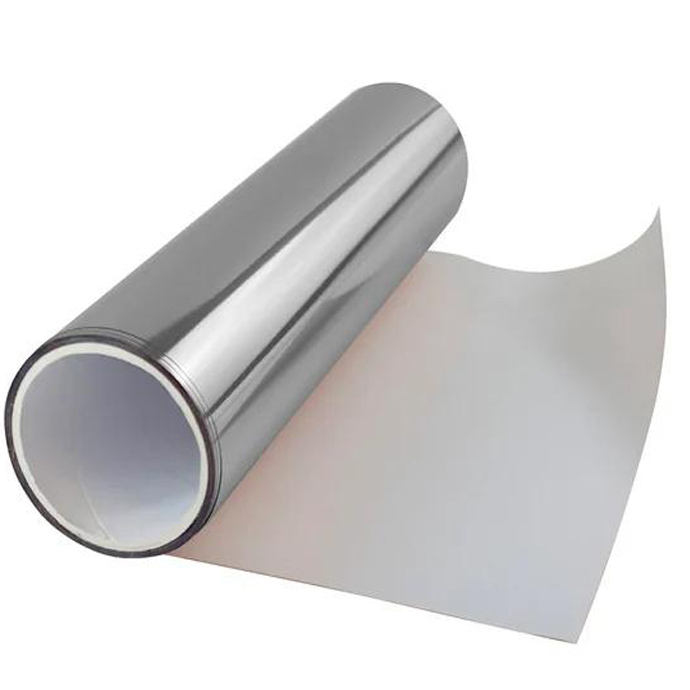
Before mastering the seal, you must understand the material. A stainless steel foil wrap is an ultra-thin sheet—typically between 0.02 mm and 0.08 mm—engineered to withstand the brutal environment of industrial furnaces.
Because of its high chromium content, the foil remains stable at elevated temperatures, acting as a physical barrier against contaminants. Professionals frequently utilize these wraps for:
- Tool and Die Hardening: Protecting intricate edges of drills and blades.
- Aerospace Engineering: Maintaining the integrity of mission-critical components.
- Precision Machining: Keeping mechanical parts free of surface decarburization.
To learn more about the specific alloys used, you can explore the technical properties of 301 stainless steel foil or the corrosion-resistant 304 stainless steel foil.
Why the Seal is Your Most Critical Step
Simply “wrapping” a part isn’t enough. If the seal isn’t airtight, oxygen will leak in as the air expands and contracts during the heating cycle. This leads to scaling (a crusty oxide layer) and decarburization (the loss of carbon at the metal surface), which can leave your tools soft and brittle.
By creating a tight, mechanical seam, you trap a tiny amount of air inside. As the furnace heats up, the oxygen in that small space reacts with the foil or a sacrificial piece of paper, leaving a nearly inert environment for your part.
Step-by-Step Guide: Professional Sealing Techniques
Reliable sealing doesn’t require high-tech machinery; it requires patience and the right stainless steel heat treat foil thickness.
1. Sizing and Cutting
Cut a sheet that allows for plenty of “overlap.” You need enough excess material on all sides to perform at least two or three folds. Using specialized cutters from a precision stainless steel foil product line ensures clean edges that won’t tear during the folding process.
2. Cleaning and Placement
Ensure the component is completely free of oils, fingerprints, or cutting fluids. Any residue left on the part will “bake” into the surface inside the sealed pouch. Center the part on the foil.
3. The “Double-Fold” Seam
Fold the foil over the part. For each open edge, perform a double-fold:
- Fold the edge over by about 1 cm.
- Flatten the fold with a smooth tool or your thumb.
- Fold it over a second time to “lock” the seam.
- Pro Tip: Use a roller or the handle of your shears to crimp the folds flat. This mechanical compression is what keeps the oxygen out.
4. Final Inspection
Check for any punctures. Sharp corners on heavy tools can easily pierce thin foil. If the part has sharp points, consider double-wrapping or adding a small “buffer” piece of foil on the corners.
Common Pitfalls to Avoid
- Loose Folds: If the folds are “puffy,” air will circulate too easily. Always flatten your seams.
- Incorrect Gauge: Using foil that is too thin for high-soak temperatures can cause the wrap to become brittle and fail. Refer to our stainless steel foil blog for guidance on temperature-to-thickness ratios.
- Reusing Foil: Never reuse a wrap. The metallurgical structure changes after one heat cycle, making it prone to cracking if bent again.
Conclusion
Mastering the seal on your Stainless Steel Foil Wrap is the difference between a perfect, “bright” finish and a part that requires hours of rework. By choosing high-quality materials and following a disciplined folding technique, you ensure your heat treatment results are consistent and professional.
For more information on industrial applications or to browse our stainless steel foil product catalog, visit our website. If you have specific technical questions, don’t hesitate to reach out via our contact page.
About the Author: I’m Ewan, CEO of stainlesssteelfoil.com. With over 30 years in the industry, I provide insights into the Chinese manufacturing perspective to help global professionals achieve better results in metal processing.