

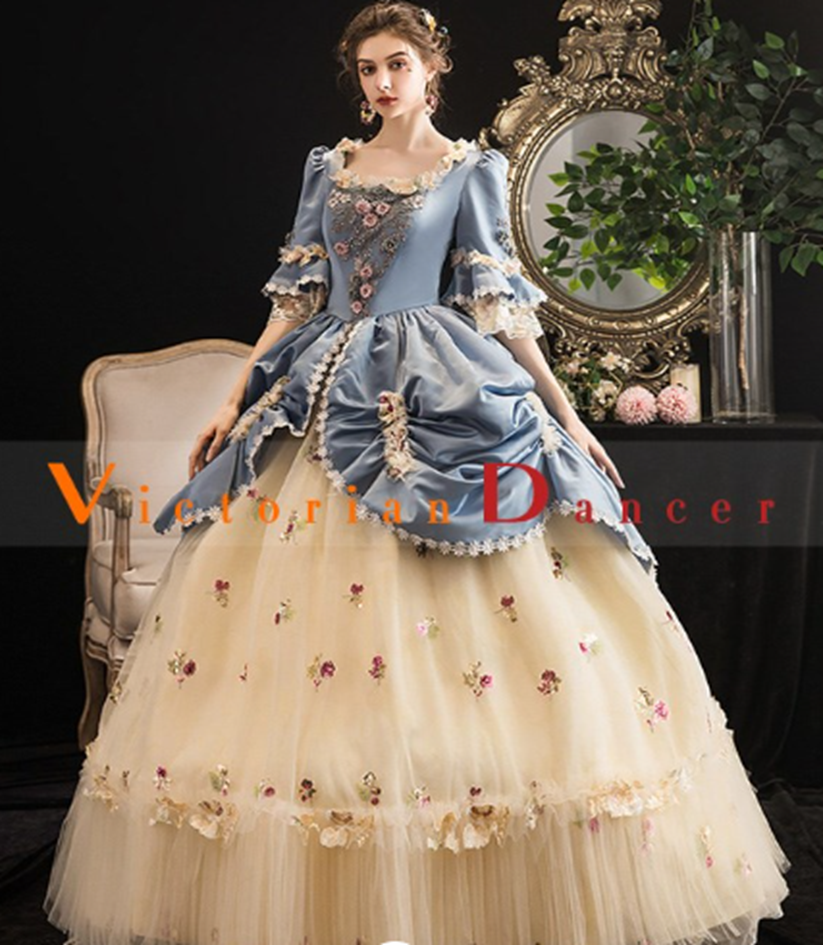
For centuries, few social occasions offered women the same freedom of expression as the masquerade ball. Wrapped in mystery, glittering in candlelight, and filled with playful intrigue, masquerades allowed guests to step beyond the rigid expectations of everyday society. At the heart of these grand events were the costumes themselves, and especially the Masquerade Ball Dresses that offered women a rare chance to blend historical fashion with personal fantasy.
Though masquerade balls originated as part of Carnival traditions in Renaissance Italy, they became deeply woven into the social fabric of European aristocracy during the 18th and 19th centuries. Across grand palaces, ornate theaters, and exclusive private salons, they created temporary spaces where identity could be concealed, challenged, or reinvented entirely.
The Setting: Where Fashion Met Fantasy
Masquerade balls were elaborate affairs, often held in ornate venues filled with music, dancing, and lavish décor. They attracted royalty, nobility, and the wealthiest members of society who eagerly embraced the opportunity to wear costumes inspired by mythology, history, or faraway lands. The anonymity of the mask added an element of suspense, allowing participants to play roles they might never adopt in everyday life.
While men might dress as kings, soldiers, or mythical creatures, women’s costumes were particularly elaborate. For many, the creation of Masquerade Ball Dresses was an event in itself, blending courtly fashion with inventive themes and ornate details that set these garments apart from conventional eveningwear. VictorianDancer.com offers a rich source of inspiration for those who wish to explore the artistry, elegance, and history of these extraordinary costumes.
18th Century Styles: The Height of Opulence
During the 1700s, masquerade ball dresses reflected the extravagant tastes of the Rococo period. Silhouettes followed the prevailing court fashion but allowed for even more dramatic flourishes. Panniers widened skirts to breathtaking proportions, while luxurious fabrics like silk taffeta, velvet, and brocade shimmered in candlelight.
Bodices were tightly fitted with low necklines, revealing the décolletage, while sleeves might be short, puffed, or layered with ruffles. Elaborate embroidery, metallic threads, and gemstone embellishments added depth and texture. Lace trims, satin ribbons, and artificial flowers brought even more dimension to the gown.
Rather than simply replicating current fashion, many masquerade ball dresses drew from historical or theatrical references. Some women arrived dressed as classical goddesses, while others chose pastoral themes, dressing as shepherdesses or maidens from imagined pastoral landscapes. Exotic costumes inspired by Ottoman, Chinese, or Egyptian styles also became fashionable, reflecting Europe’s fascination with distant cultures during this era.
Victorian Interpretations: Formality Meets Imagination
By the 19th century, as masquerade balls continued to evolve, the style of Masquerade Ball Dresses also shifted in step with Victorian fashion. While still elaborate, the silhouette changed dramatically. The massive side panniers of the previous century were replaced by crinolines in the 1850s and later by the bustle silhouette of the 1870s and 1880s.
Victorian masquerade dresses maintained the tradition of elaborate embellishment, often featuring rich fabrics like satin, silk faille, and velvet, trimmed with lace, pearls, and intricate beading. However, these gowns often balanced fantasy with greater modesty in accordance with Victorian values. Necklines remained low but were typically framed with lace or tulle. Sleeves varied from fitted long styles to dramatic puffed shapes, depending on the period.
Themes continued to draw from history and mythology, but Victorian masquerades also reflected growing interest in literary characters, medieval revivalism, and romanticized historical periods. For women attending these events, the opportunity to temporarily embody queens, fairies, historical heroines, or mythological figures offered a rare chance to play with identity while remaining within socially acceptable boundaries.
The Mask: Essential Symbol of the Masquerade
While the gowns themselves were extraordinary, the mask was equally central to the masquerade experience. Women often wore delicate eye masks made of lace, silk, or papier-mâché, sometimes decorated with feathers, sequins, or tiny jewels. The mask’s ability to obscure one’s face without fully hiding one’s identity offered a subtle thrill. It created a charged atmosphere where whispered conversations, bold flirtations, and carefully veiled observations became part of the night’s entertainment.
In some cases, masks were designed to match or contrast with the dress itself, completing the ensemble with a unified sense of artistry. The balance of recognition and anonymity provided endless intrigue on the dance floor.
Preparation and Presentation: A Labor of Detail
Unlike standard eveningwear, a Masquerade Ball Dress often required months of preparation. Dressmakers worked closely with their clients to design costumes that expressed both creativity and status. Historical research, careful material selection, and intricate craftsmanship were all essential to producing a gown that could stand out amid a ballroom filled with equally ambitious creations.
Wealthier women sometimes commissioned full themed ensembles complete with wigs, capes, and props. Others assembled costumes by modifying existing gowns, adding detachable embellishments that transformed them into suitable masquerade attire while remaining functional for future occasions.
The Decline and Legacy of the Masquerade
By the turn of the 20th century, the popularity of formal masquerade balls declined as social norms shifted and modern entertainment took new forms. Yet the fascination with masquerades and their opulent costumes endures to this day.
Vintage fashion enthusiasts, historical reenactors, and costume designers continue to draw inspiration from these extraordinary events. The Masquerade Ball Dress remains a symbol of artistic freedom within the constraints of rigid social structures, where creativity and craftsmanship allowed individuals to momentarily step into another world.
Final Thoughts: Dressing for Imagination
Masquerade balls offered more than a chance to dance. They provided an opportunity to blur the lines between reality and fantasy, allowing women to inhabit identities that might otherwise remain inaccessible. The dresses worn to these events stand as rich historical artifacts, revealing not only the evolving aesthetics of fashion but also the enduring human desire for transformation, mystery, and playful disguise.
At VictorianDancer.com, the legacy of historical costuming continues to inspire. The timeless appeal of masquerade ball gowns reminds us that fashion, at its most enchanting, offers a portal to worlds of elegance, creativity, and endless imagination.