
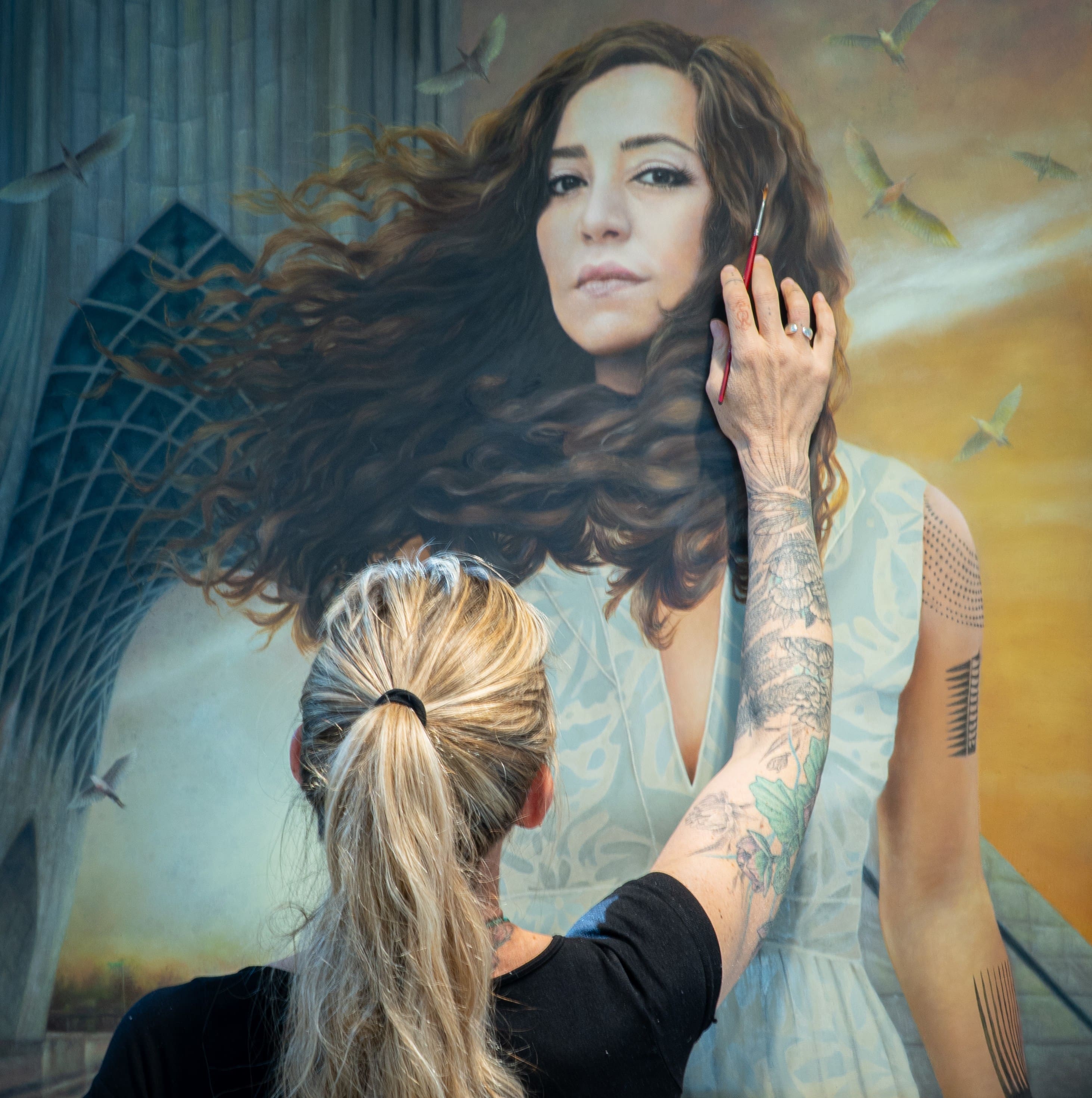
Art has the ability to communicate without speaking, yet some of the most powerful artistic experiences begin with listening. In recent years, contemporary art has increasingly shifted toward practices that prioritize dialogue, collaboration, and shared authorship. Rather than presenting finished statements, these works invite audiences into ongoing conversations. One example of this evolving approach can be seen in community-centered exhibitions that focus on personal narratives and collective reflection.
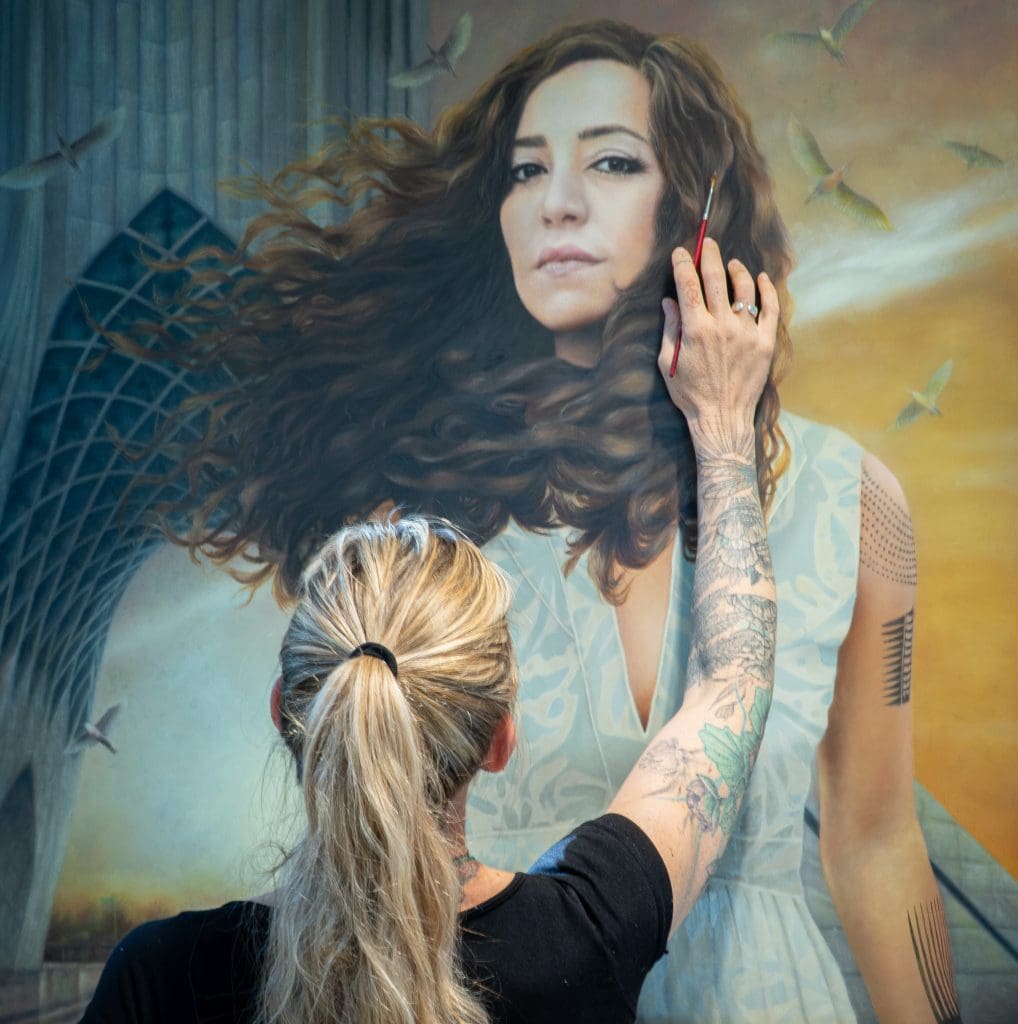
Collaborative art projects differ from traditional studio practices in one key way: the artwork is shaped by more than one perspective. Instead of a single author interpreting the world, meaning emerges through exchange. Participants contribute stories, reflections, or experiences that influence how the final work takes form. This method changes not only the outcome, but also the purpose of the art itself. The focus moves from representation to connection.
Visual storytelling plays an important role in this process. Photography, drawing, and painting become tools for translating lived experience into images that others can encounter and respond to. When personal narratives are presented visually, they invite viewers to engage emotionally rather than analytically. The result is often a quieter, slower experience one that encourages reflection instead of immediate judgment.
Large-scale exhibitions that bring together collaborative works offer a rare opportunity to see how individual stories relate to one another. When artworks created across different years, locations, and cultural contexts are displayed side by side, patterns begin to emerge. Themes such as resilience, identity, vulnerability, and growth appear not as isolated ideas, but as shared human experiences. This collective presentation transforms individual works into a broader narrative.
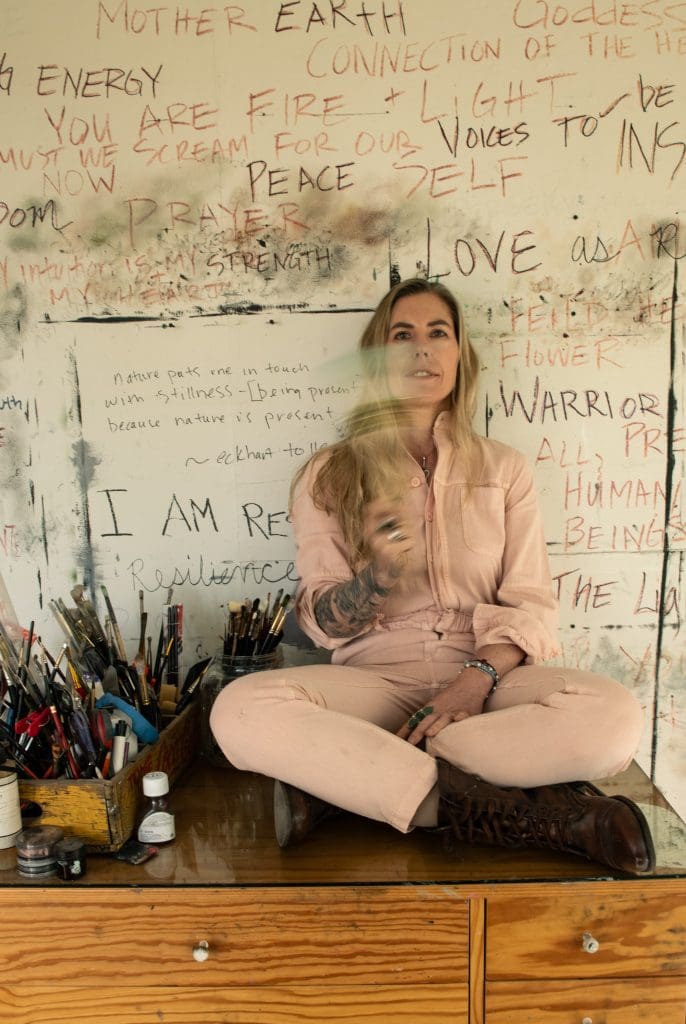
The setting of an exhibition can significantly influence how these stories are received. When contemporary art is displayed within historic spaces, the contrast between old and new adds depth to the viewing experience. Architecture shaped by centuries of history becomes a backdrop for modern voices, reminding audiences that while times change, human emotions and struggles remain deeply connected. The space itself becomes part of the conversation.
Community involvement is another defining feature of collaborative exhibitions. When local participants see their stories represented alongside international contributions, it reinforces the idea that personal experiences have value beyond their immediate environment. This sense of inclusion can strengthen community bonds and encourage audiences to see themselves as part of a larger, shared cultural narrative.
Artists who work in this way often draw from interdisciplinary backgrounds, incorporating elements of psychology, education, or social practice into their creative process. These influences shape how participants are engaged and how stories are handled with care and respect. Rather than extracting narratives for artistic use, the process emphasizes consent, collaboration, and ethical responsibility. This approach challenges traditional power dynamics within art-making.
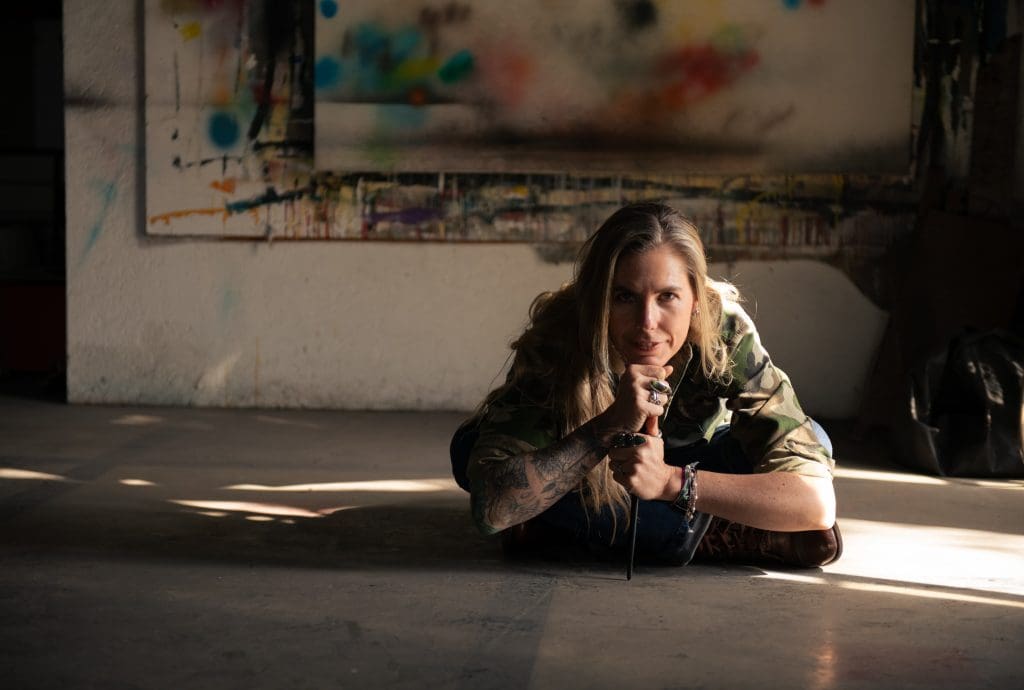
For viewers, engaging with collaborative exhibitions can feel different from visiting conventional shows. Instead of focusing solely on technique or style, audiences are invited to consider context, intention, and relationship. The experience becomes less about evaluating art and more about understanding it. Viewers may find themselves reflecting on their own experiences as they move through the space.
These exhibitions also raise questions about the role of art in contemporary society. Is art meant only to be admired, or can it also function as a space for dialogue and reflection? Collaborative projects suggest that art can serve multiple purposes at once. It can exist as visual expression while also creating opportunities for listening and connection.
Accessibility plays an important role in this shift. When exhibitions actively welcome community members and reduce barriers to participation, they expand the reach of contemporary art beyond traditional audiences. This inclusivity strengthens the relationship between art institutions and the communities they serve. It also reinforces the idea that art is not reserved for a select group, but is something shaped by and for many voices.
In a world where communication is often fast and fragmented, collaborative art offers a different pace. It asks both creators and viewers to slow down, pay attention, and remain open to perspectives other than their own. This kind of engagement does not demand agreement or solutions. Instead, it creates space for understanding.
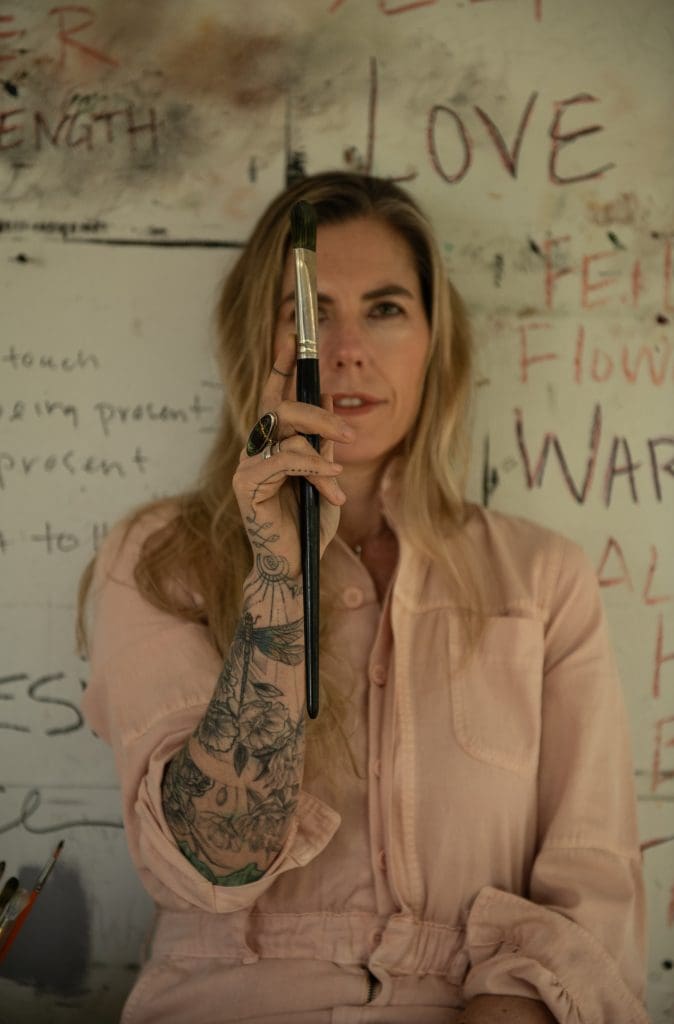
Ultimately, exhibitions centered on shared storytelling remind us that art is not only about what is seen, but about what is heard. When artists choose to listen as much as they create, the resulting work carries a depth that extends beyond the gallery walls. These projects demonstrate that art can be a meeting place one where stories are not simply displayed, but honored through collective presence.
As contemporary art continues to evolve, practices rooted in empathy and collaboration may become increasingly important. They offer an alternative to spectacle and certainty, replacing them with conversation and curiosity. In doing so, they reaffirm art’s enduring ability to connect people through shared human experience.