
Language development for early childhood shapes a child’s future success in school and social life. From babbling to full sentences, these early years build the foundation for clear communication. Parents often worry when toddlers lag behind, but simple steps can make a big difference.
In this guide, you’ll learn practical ways to boost your child’s speech skills at home. We’ll cover spotting early signs of trouble, like language disorders in children, and when to seek help from the best clinic for speech development in Delhi or a speech therapist online consultation. Drawing from years of guiding families through these milestones, expect actionable tips backed by child development principles. By the end, you’ll feel equipped to nurture confident communicators.
How Does Language Development Happen in Early Childhood?
Ever wonder why some kids chatter endlessly while others stay quiet? Language development for early childhood unfolds in stages, starting from birth.
Newborns respond to voices with coos. By 6 months, they babble sounds like “ba-ba.” Toddlers aged 1-2 years string words into simple phrases. By age 3, most kids form sentences and tell short stories. This progression relies on brain growth, hearing, and daily interactions.
Key Milestones to Watch
- Birth to 12 months: Smiles at sounds, says “mama/dada” specifically.
- 1-2 years: Vocabulary explodes to 50+ words; points to objects when named.
- 2-3 years: Uses pronouns like “I/me,” follows two-step directions.
Genetics play a role, but environment matters most. Talk constantly, read books, and mimic sounds to fuel progress. If delays appear, early action prevents bigger issues.
Smoothly supporting these stages leads us to common hurdles.
What Are Common Signs of Language Disorders in Children?
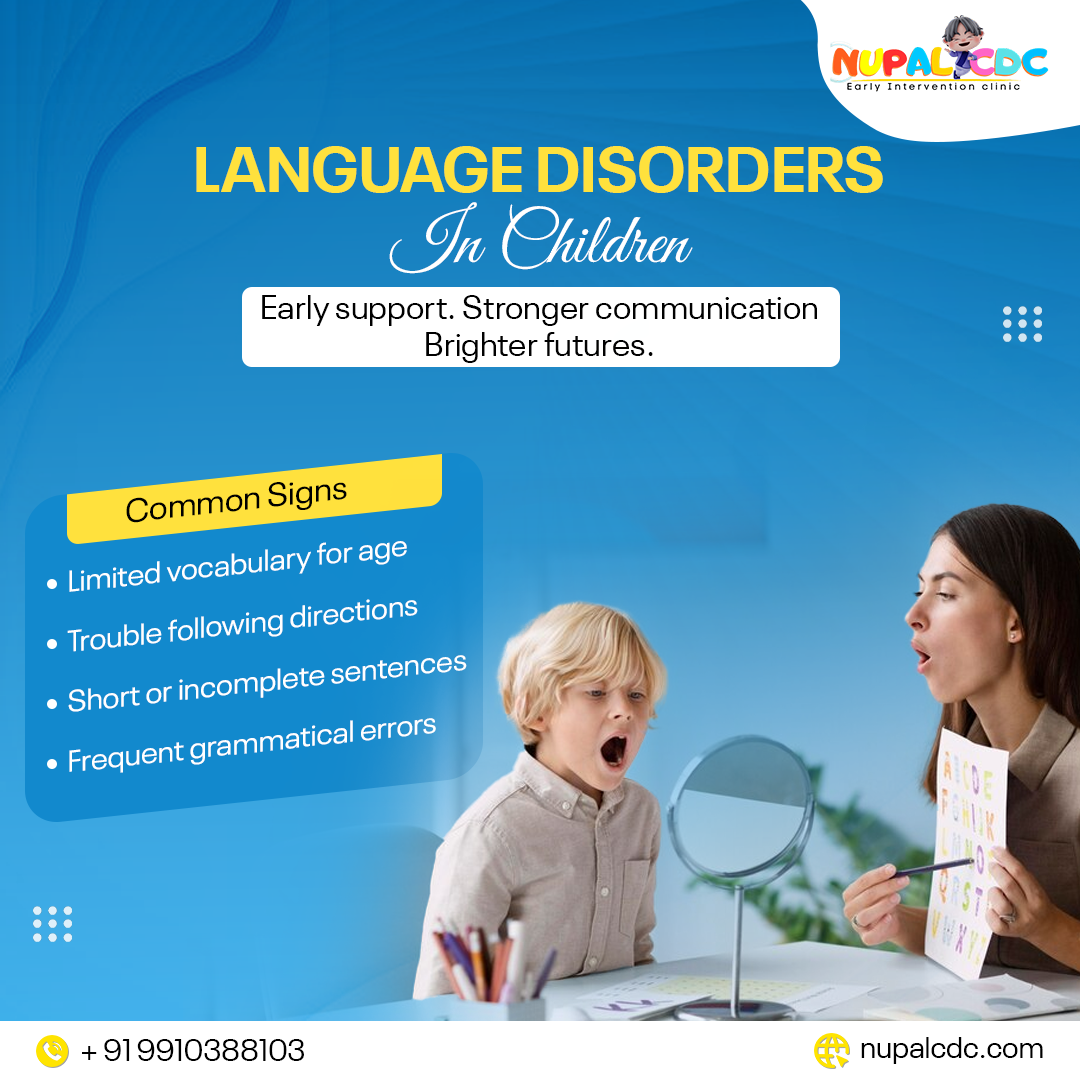
Noticing speech struggles early can change everything. Language disorders in children affect 7-8% of kids under 5, often showing as unclear sounds or limited words.
Watch for red flags like no babbling by 12 months, fewer than 50 words at 2 years, or trouble following simple instructions. Some kids mix up words, struggle with rhymes, or avoid eye contact during talks. These aren’t just “late bloomers”—they signal potential issues like articulation problems or expressive delays.
Quick Checklist for Parents
- Does your child echo words without meaning?
- Struggles to name familiar objects?
- Frustrated by not being understood?
Genetics, ear infections, or bilingual homes can contribute. As experts in early intervention, we stress observation over worry. Track progress monthly. If signs persist, professional eyes spot fixes fast.
This awareness naturally points to home-based solutions before seeking outside help.
How Can Parents Boost Language Skills at Home?
Ready to turn everyday moments into speech superchargers? Daily habits spark language development for early childhood without fancy tools.
Start with responsive talking: Narrate your day—”I’m cutting the apple, yum!”—to build vocabulary. Read aloud daily, pointing to pictures and asking “What’s that?” Sing songs and rhymes to teach rhythm and sounds. Limit screens; real faces drive imitation best.
Proven Daily Strategies
- Play-based learning: Use toys for turn-taking games like “pass the ball.”
- Expand utterances: If they say “ball,” reply “Big red ball!”
- Mealtime chats: Describe food textures and flavors.
Consistency matters—aim for 15-20 minutes focused interaction daily. Bilingual families thrive by mixing languages naturally. Track wins, like new words weekly, to stay motivated.
These steps often suffice, but persistent challenges call for expert guidance next.
When Should You Seek a Speech Therapist Online Consultation?
Is it time to get professional input? If home efforts yield slow gains after 3-6 months, a speech therapist online consultation offers clarity from anywhere.
Experts assess via video, checking articulation, grammar, and social use of language. Sessions pinpoint issues like apraxia or stuttering, then tailor exercises. In Delhi, the best clinic for speech development combines therapy with play, yielding 80% improvement in 6 months for many kids.
Benefits include flexible scheduling—no travel hassles—and progress tracking apps. Early therapy rewires brains for lasting fluency. Parents learn techniques too, amplifying home practice.
Signs It’s Time
- No two-word phrases by 24 months.
- Voice sounds hoarse or nasal often.
- Peers outpace them socially.
Don’t delay; windows for change close after age 5. Virtual options make starting simple.
Building on this, let’s explore long-term nurturing.
How to Sustain Progress in Speech Development Long-Term?
What keeps gains going beyond therapy? Long-term success in language development for early childhood blends routines with patience.
Enroll in playgroups for peer practice. Encourage storytelling with props. Monitor school readiness—strong speech aids reading by kindergarten. Revisit milestones yearly; some kids need boosters.
Foster a low-pressure environment: Praise efforts, not perfection. Nutrition like omega-3s supports brain health. Sleep and reduced stress enhance focus.
As a parent, your involvement cements results. Partner with educators for consistent cues. Most kids catch up fully with this holistic approach.
Conclusion
Mastering language development for early childhood empowers kids to express ideas confidently. We’ve explored milestones, spotted language disorders in children, shared home boosts, and highlighted when to pursue a speech therapist online consultation or the best clinic for speech development in Delhi.
Key takeaways: Act early on delays, integrate talk-rich play daily, and seek pros without hesitation. These steps build not just words, but connections that last a lifetime. Parents who prioritize this see thriving, articulate children ready for school and beyond. Start today—your child’s voice awaits.
FAQ
What is language development for early childhood?
Language development for early childhood involves skills from cooing to complex sentences by age 5. It includes listening, speaking, and understanding. Daily interactions like reading and singing accelerate it, helping kids connect socially and learn faster. Early boosts prevent later struggles.
How do I spot language disorders in children?
Language disorders in children show as delayed babbling, limited vocabulary, or unclear speech by age 2-3. Other signs: poor eye contact during talks or frustration expressing needs. Track against milestones; consult a pro if gaps widen. Early detection leads to quick fixes.
Where to find the best clinic for speech development in Delhi?
The best clinic for speech development in Delhi offers personalized plans with experienced therapists focusing on play-based therapy. Look for qualified speech-language pathologists using evidence-based methods. Many provide initial assessments to match your child’s needs effectively.
Benefits of speech therapist online consultation?
A speech therapist online consultation delivers expert evaluations and exercises via video, saving time. It’s ideal for busy Delhi families, tracking progress digitally. Kids improve articulation and confidence fast, with parents gaining home tips for sustained language growth.
