
Introduction
In the world of luxury foods, few items command as much fascination, prestige, and admiration as the Japanese Crown Melon. Known for its flawless appearance, extraordinary sweetness, and meticulous cultivation process, this premium fruit has earned a reputation as one of the most expensive melons on Earth.
Unlike ordinary fruits grown for mass consumption, Crown Melons represent a philosophy deeply rooted in Japanese culture — perfection through patience, craftsmanship, and respect for nature. Each melon is treated almost like a work of art, carefully nurtured from seed to harvest under strict conditions that ensure unmatched quality.
But what exactly makes the Japanese Crown Melon so special? Why do people pay hundreds — sometimes thousands — of dollars for a single fruit? And is it truly worth the price?
This comprehensive guide explores everything you need to know about Japanese Crown Melons, from their origins and cultivation methods to taste, pricing, health benefits, and global popularity.
What Is a Japanese Crown Melon?
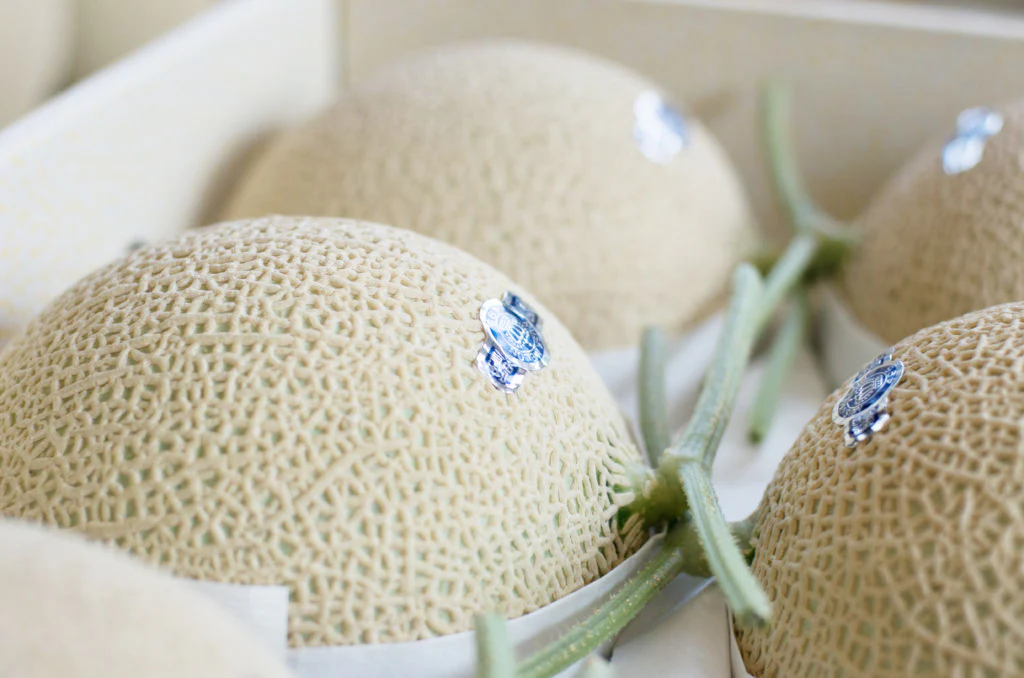
The Japanese Crown Melon is a premium variety of muskmelon cultivated exclusively in Japan, primarily in Shizuoka Prefecture. It belongs to the cantaloupe family but differs dramatically in flavor, texture, and cultivation standards.
Unlike typical melons sold in supermarkets, Crown Melons are grown under extremely controlled greenhouse environments. Every fruit is individually monitored to ensure consistency, sweetness, and visual perfection.
Key characteristics include:
- Perfect spherical shape
- Smooth rind with symmetrical netting
- Bright green flesh
- Exceptionally juicy texture
- Elegant aroma
- High sugar content (Brix level often above 14)
Each melon is graded carefully before reaching the market, ensuring only the finest fruits carry the prestigious “Crown Melon” label.
The Origin and Cultural Significance
Japan has long elevated fruit cultivation into an art form. High-end fruits are often given as luxury gifts rather than everyday snacks.
The Crown Melon originated in the early 20th century when Japanese farmers sought to create a melon variety that combined beauty, flavor, and consistency. Over decades, growers refined techniques through experimentation and precision agriculture.
In Japanese culture, gifting premium fruit symbolizes:
- Respect
- Gratitude
- Celebration
- Status
- Hospitality
As a result, Crown Melons are commonly presented during:
- Corporate gifting occasions
- Weddings
- Seasonal celebrations
- Business milestones
The melon’s perfection represents sincerity and honor, making it far more than just food.
Where Japanese Crown Melons Are Grown
Authentic Crown Melons are grown primarily in Shizuoka Prefecture, located between Tokyo and Osaka. The region’s climate, soil composition, and farming expertise make it ideal for cultivating high-quality muskmelons.
Greenhouses provide:
- Controlled temperature
- Balanced humidity
- Optimal sunlight exposure
- Protection from pests
Farmers adjust environmental conditions daily, ensuring each plant receives precise care throughout its lifecycle.
The Extraordinary Growing Process
One of the biggest reasons behind the Crown Melon’s high price is the labor-intensive cultivation process.
1. One Plant, One Fruit
Unlike conventional farming where multiple fruits grow per plant, Crown Melon farmers allow only one melon per vine.
All other buds are removed so the plant directs 100% of its nutrients into a single fruit.
2. Hand Pollination
Farmers manually pollinate flowers to control quality and ensure optimal growth.
3. Daily Care and Monitoring
Growers inspect plants every day, adjusting:
- Water levels
- Nutrient supply
- Sun exposure
- Air circulation
Some farmers even rotate melons to achieve perfectly symmetrical shapes.
4. Massage and Cleaning
Yes — melons are sometimes gently cleaned or handled to maintain smooth skin and consistent netting patterns.
5. Sugar Level Testing
Before harvest, melons are measured for sweetness using Brix testing to confirm premium quality standards.
This level of dedication transforms agriculture into craftsmanship.
Why Japanese Crown Melons Are So Expensive
Prices for Crown Melons typically range from $100 to $300 per fruit, while auction-grade melons can sell for thousands.
Several factors explain this premium pricing:
Limited Production
Strict growing standards limit supply significantly.
Labor Costs
Each melon receives hours of individual care.
Quality Control
Only top-grade fruits reach premium markets.
Luxury Branding
Crown Melons are positioned as luxury goods rather than everyday produce.
Cultural Value
Gift-giving traditions increase demand for perfect fruits.
In Japan, rarity and perfection justify higher prices — similar to fine wine or luxury watches.
Taste and Flavor Profile
Many first-time buyers wonder whether the taste truly matches the price.
The answer often surprises people.
Japanese Crown Melons deliver a flavor experience unlike ordinary melons:
- Intensely sweet but balanced
- Smooth, melt-in-your-mouth texture
- Aromatic fragrance
- No bitterness or fibrous texture
- Consistent sweetness from rind to center
The flesh is so tender that it is often eaten with a spoon rather than sliced traditionally.
Experts describe the taste as a blend of honey, pear, and floral nectar.
Nutritional Benefits
Despite its luxury status, the Crown Melon also offers impressive nutritional value.
Rich in Vitamins
- Vitamin C for immunity
- Vitamin A for skin and vision health
Hydration Support
Melons contain over 85% water, helping maintain hydration.
Antioxidants
Help combat oxidative stress and support overall wellness.
Digestive Support
Natural fiber aids digestion.
Low Fat and Cholesterol-Free
A healthy indulgence compared to processed desserts.
While often viewed as a luxury treat, it remains a naturally nutritious fruit.
Grading System Explained
Not all Crown Melons are equal. They undergo a rigorous grading process:
Standard Grade
High quality but minor visual imperfections.
Premium Grade
Excellent sweetness and appearance.
Luxury Gift Grade
Near-perfect symmetry and texture.
Auction Grade
Flawless melons sold at special auctions, often purchased by luxury retailers.
Grading ensures buyers receive consistent quality aligned with price expectations.
How to Eat a Japanese Crown Melon Properly
To experience the full flavor, preparation matters.
Step 1: Let It Ripen
Allow the melon to rest at room temperature for optimal sweetness.
Step 2: Chill Lightly
Refrigerate for 2–3 hours before serving.
Step 3: Slice Carefully
Cut in halves or wedges.
Step 4: Remove Seeds
Scoop seeds gently without damaging flesh.
Step 5: Serve Simply
Avoid adding sugar or toppings — purity is key.
In Japan, simplicity enhances appreciation of natural flavor.
Crown Melon as a Luxury Gift
Luxury fruit gifting is a thriving industry in Japan. Crown Melons are often packaged in elegant boxes with protective cushioning.
They symbolize:
- Appreciation
- Prestige
- High regard
- Sophistication
Corporate executives frequently exchange premium fruits instead of traditional gifts.
This cultural practice has helped elevate Crown Melons into global luxury icons.
Global Demand and Export Markets
As international interest in gourmet foods grows, Crown Melons are gaining popularity worldwide.
Key export markets include:
- United States
- Singapore
- Hong Kong
- United Arab Emirates
- Europe
High-end restaurants and luxury grocery stores increasingly feature Japanese melons as exclusive menu items.
Social media has also fueled demand, with food influencers showcasing the fruit’s beauty and rarity.
Crown Melon vs Regular Cantaloupe
| Feature | Crown Melon | Regular Cantaloupe |
|---|---|---|
| Cultivation | Hand-managed | Mass-produced |
| Fruits per Plant | One | Multiple |
| Sweetness | Extremely high | Moderate |
| Shape | Perfectly round | Irregular |
| Price | Luxury-level | Affordable |
| Texture | Ultra-smooth | Slightly fibrous |
The difference lies not only in taste but also in philosophy — quality over quantity.
Sustainability and Modern Farming
Despite intensive care, Crown Melon farming increasingly incorporates sustainable practices:
- Efficient water management
- Controlled fertilizer use
- Reduced pesticide reliance
- Energy-efficient greenhouses
Japanese farmers combine tradition with innovation to maintain environmental responsibility.
Why Food Enthusiasts Are Obsessed
Crown Melons appeal to modern consumers for several reasons:
- Experience-driven dining trends
- Interest in artisanal foods
- Appreciation for craftsmanship
- Luxury gifting culture
- Social media appeal
Owning or tasting one feels like participating in a culinary tradition rather than simply eating fruit.
Is the Japanese Crown Melon Worth It?
Whether the melon is “worth it” depends on expectations.
If viewed as everyday fruit, the price seems excessive. But when considered a luxury experience — similar to fine chocolate, rare wine, or gourmet truffles — the value becomes clearer.
You are paying for:
- Precision agriculture
- Cultural heritage
- Exceptional taste
- Visual perfection
- Rare craftsmanship
For many buyers, the experience alone justifies the cost.
Tips for Buying Authentic Crown Melons
When purchasing, look for:
- Official Crown Melon branding
- Elegant presentation packaging
- Certification labels
- Uniform netting patterns
- Fresh fragrance
Buying from reputable gourmet retailers ensures authenticity.
The Future of Luxury Fruits
The popularity of Japanese Crown Melons signals a growing global trend: consumers increasingly value quality, story, and craftsmanship over mass production.
Luxury fruits may become more common in high-end culinary culture, bridging agriculture and artistry.
As demand rises, Crown Melons continue to represent the pinnacle of fruit cultivation excellence.
Conclusion
The Japanese Crown Melon is far more than an expensive fruit — it is a symbol of dedication, precision, and cultural tradition. From carefully controlled greenhouses in Shizuoka to luxury gift boxes around the world, every step of its journey reflects an unwavering commitment to perfection.
Its unmatched sweetness, flawless appearance, and deep cultural significance elevate it into a category of its own. Whether enjoyed as a gourmet indulgence, a prestigious gift, or a culinary curiosity, the Crown Melon offers an experience that goes beyond taste.
In a world dominated by mass production, the Japanese Crown Melon reminds us that patience, craftsmanship, and attention to detail still matter — and sometimes, perfection truly is worth the wait.