
In industries ranging from logistics to power generation, diesel engines serve as the backbone of operations, delivering the power and endurance needed to keep critical systems running around the clock. When equipment failure means lost revenue and disrupted service, choosing the right engine becomes a strategic decision that impacts the bottom line. The Cummins QSK60 has emerged as a prominent name in heavy-duty diesel applications, earning recognition for its robust construction and consistent performance across demanding environments. But does this engine truly deserve its reputation as the most reliable option available, or is it simply marketing hype? For fleet managers tasked with balancing cost-efficiency against operational continuity, this question carries significant weight. Every hour of downtime translates to financial losses, while maintenance expenses can quickly erode profit margins. Understanding whether the QSK60 delivers on its promises of durability, fuel efficiency, and minimal maintenance requirements is essential for making informed investment decisions that will affect operations for years to come.
Cummins QSK60 Specifications and Key Features
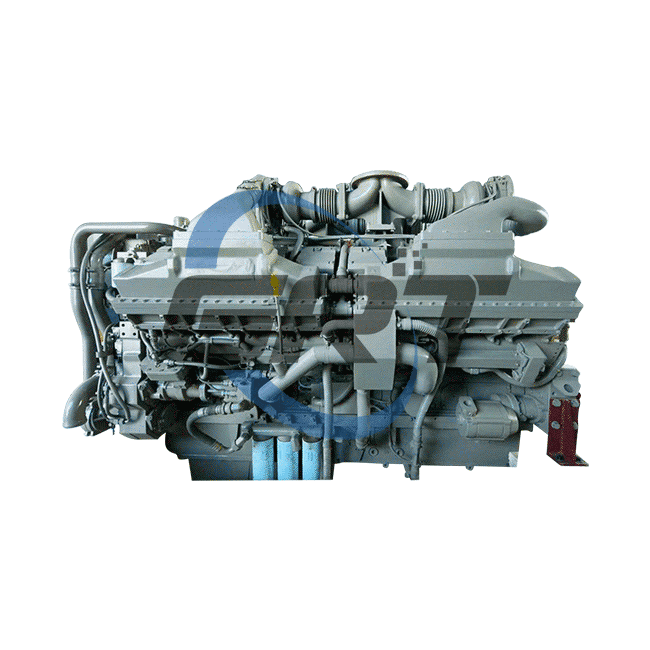
The Cummins QSK60 represents a pinnacle of heavy-duty diesel engineering, delivering between 1,800 and 2,700 horsepower with peak torque exceeding 7,500 lb-ft. This 60-liter, inline sixteen-cylinder powerhouse employs a modular design that allows for flexible configuration across diverse applications. At its core, the engine utilizes Cummins’ advanced CELECT Plus fuel injection system, which precisely meters fuel delivery to optimize combustion efficiency while reducing emissions. The high-pressure common rail system operates at pressures exceeding 30,000 psi, ensuring complete fuel atomization for maximum power extraction.
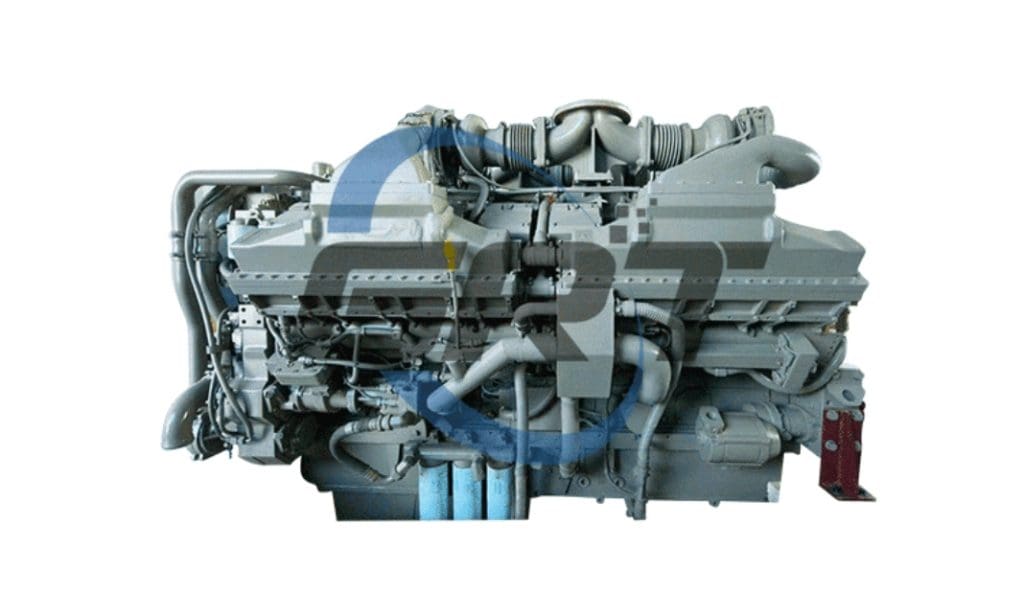
What distinguishes the QSK60 from competitors is its integrated cooling architecture, featuring a dual-circuit system that maintains optimal operating temperatures even under sustained high-load conditions. The engine incorporates a centrifugal bypass oil filtration system that extends oil change intervals to 1,000 hours, significantly reducing maintenance frequency compared to traditional engines requiring service every 500 hours. The robust block construction uses compacted graphite iron, offering superior strength-to-weight ratios while resisting thermal stress fractures that plague conventional cast iron designs.
When benchmarked against competitors like the MTU 20V 4000 or Detroit Diesel Series 4000, the QSK60 demonstrates comparable power output but distinguishes itself through serviceability. Component accessibility reduces average repair times by approximately 30 percent, while the modular cylinder head design allows for individual cylinder servicing without complete engine disassembly. The electronic control module provides real-time diagnostics, enabling predictive maintenance strategies that prevent catastrophic failures before they occur, a feature that directly addresses fleet managers’ concerns about unexpected downtime.
Evaluating Engine Performance for Cost-Efficiency
Fuel consumption represents one of the largest operational expenses for fleet managers, and the QSK60 addresses this through its advanced combustion management system. The engine achieves a brake-specific fuel consumption rate of approximately 0.32 pounds per horsepower-hour at rated load, positioning it among the most efficient engines in its displacement class. This efficiency stems from the precise fuel metering capabilities of the common rail injection system, which adjusts delivery timing and quantity based on real-time load conditions. Under typical operating scenarios, fleet managers report fuel savings of 8 to 12 percent compared to older-generation engines, translating to substantial cost reductions over the engine’s operational lifespan.
The QSK60 demonstrates exceptional load-handling capabilities, maintaining consistent power output across a wide operating range without the performance degradation common in heavily stressed engines. During continuous operation at 90 percent load, the engine sustains rated output for extended periods without requiring derating, a critical advantage for applications like emergency power generation or long-haul transportation. Field data from mining operations shows the QSK60 maintaining performance specifications beyond 30,000 operating hours with proper maintenance, while comparable engines often require major overhauls at the 20,000-hour mark.
A logistics company operating a fleet of heavy-haul trucks equipped with QSK60 engines reported a 15 percent reduction in total cost of ownership over a five-year period compared to their previous engine platform. The fleet manager attributed these savings to three factors: reduced fuel consumption, extended service intervals that minimized vehicle downtime, and fewer unscheduled repairs due to the engine’s predictive diagnostic capabilities. Another fleet operating in the oil and gas sector documented a 40 percent decrease in roadside breakdowns after transitioning to QSK60-powered equipment, directly improving operational continuity and reducing emergency repair costs that can exceed routine maintenance expenses by a factor of three.
Assessing Reliability for Operational Continuity
The QSK60’s reliability foundation rests on its robust component design and extensive field validation across millions of operating hours. The engine’s compacted graphite iron block withstands thermal cycling and vibration stress far better than traditional materials, while the forged steel crankshaft and connecting rods provide structural integrity under extreme loads. Cummins subjects each QSK60 to rigorous factory testing that simulates 10,000 hours of operation before shipment, identifying potential failure points before engines enter service. This proactive approach results in a mean time between failures exceeding 25,000 hours in typical applications, significantly outperforming industry averages of 15,000 to 18,000 hours for comparable displacement engines.
Maintenance requirements remain manageable despite the engine’s complexity, with scheduled service intervals designed around operational realities rather than arbitrary timeframes. The extended 1,000-hour oil change interval reduces maintenance frequency by half compared to conventional engines, while the self-adjusting valve train eliminates routine valve lash adjustments that consume technician time. Common wear items like fuel injectors and turbochargers are positioned for tool-free access, allowing technicians to complete replacements in under two hours versus the four to six hours required for less accessible designs. Fleet managers report that preventive maintenance costs for the QSK60 average 15 to 20 percent lower than competitive engines due to these design considerations.
When issues do arise, they typically involve sensors and electronic components rather than mechanical failures, and the engine’s diagnostic system pinpoints problems with precision that eliminates guesswork. Cummins backs the QSK60 with comprehensive warranty coverage extending to 5,000 hours or two years for standard applications, with extended programs available for critical operations. The company maintains a global service network with over 600 authorized locations stocking genuine parts, ensuring that components arrive within 24 hours for most regions. This support infrastructure proves invaluable for fleet managers operating in remote locations where parts availability can mean the difference between minor delays and extended downtime that disrupts contract obligations and revenue streams. For operations requiring specialized diesel engine components or aftermarket solutions, suppliers like GRT provide additional sourcing options that complement OEM support channels.
Applications in Power Generation and Transportation
In power generation environments, the QSK60 serves as the primary driver for standby and prime power systems ranging from 1.5 to 2.25 megawatts, making it ideal for data centers, hospitals, and industrial facilities where uninterrupted electricity is non-negotiable. The engine’s ability to reach full load within ten seconds of startup ensures seamless transition during grid failures, while its capacity for continuous operation at rated output makes it equally suitable for remote mining sites and offshore platforms relying on onsite generation. Facility managers appreciate the QSK60’s low-vibration characteristics, which reduce structural stress on generator mountings and extend equipment lifespan, alongside emission control systems that meet stringent EPA Tier 2 standards without compromising power output.
Transportation applications leverage the QSK60’s exceptional power-to-weight ratio in heavy-haul trucking, where loads exceeding 200 tons demand sustained torque delivery across varied terrain. Mining operations deploy QSK60-powered haul trucks that maintain productivity in extreme temperatures ranging from Arctic conditions to desert heat, while marine applications benefit from the engine’s corrosion-resistant components and saltwater-compatible cooling systems for tugboats and workboats operating in harsh coastal environments. Fleet managers in these sectors gain operational flexibility through the engine’s adaptability, as the same base platform can be configured for different duty cycles without compromising reliability, reducing parts inventory complexity and technician training requirements across diverse equipment portfolios.
The QSK60’s Position as a Heavy-Duty Diesel Leader
The Cummins QSK60 establishes itself as a formidable contender in the heavy-duty diesel market through its combination of advanced engineering, proven durability, and operational economics that directly address fleet managers’ priorities. Its fuel efficiency delivers measurable cost savings, while extended maintenance intervals and predictive diagnostics minimize downtime that disrupts revenue-generating operations. The engine’s robust construction and comprehensive support network provide the operational continuity essential for industries where equipment failure carries severe financial consequences. Field data consistently demonstrates mean time between failures exceeding industry benchmarks, backed by real-world testimonials from fleet managers reporting significant reductions in total cost of ownership. While no engine can claim absolute perfection across all applications, the QSK60’s track record of sustained performance under extreme conditions, coupled with its serviceability advantages and global parts availability, positions it as arguably the most reliable option in its class. For fleet managers evaluating long-term investments in power generation or heavy transportation equipment, the QSK60 offers a compelling value proposition that balances upfront costs against years of dependable service, making it a strategic choice for operations where reliability directly translates to competitive advantage and profitability.