
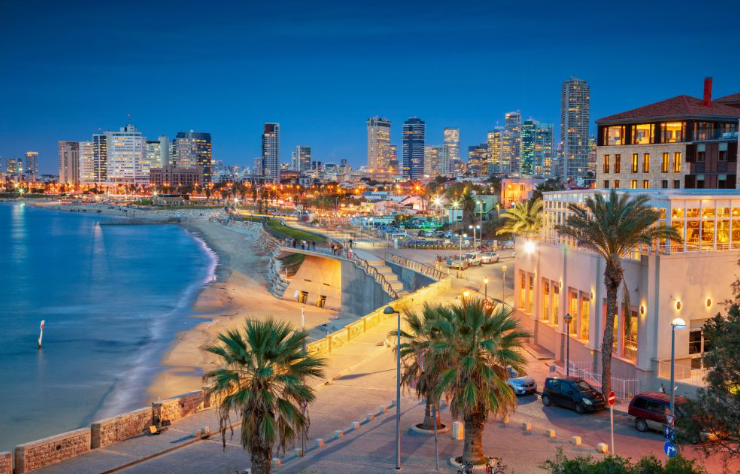
Tel Aviv has earned a global reputation as one of the most attractive real estate markets in the Middle East. With its Mediterranean coastline, thriving startup ecosystem, and high quality of life, the city continues to draw attention from international investors. But in 2026, the question has become more strategic: Is Tel Aviv still a worthwhile real estate investment, or has the market peaked?
The reality is more complex than a simple yes or no. Tel Aviv in 2026 represents a market in transition—one that offers both opportunity and risk depending on how you approach it.
Understanding the 2026 Market Shift
Over the past decade, Tel Aviv experienced rapid property price growth, driven by strong demand and limited supply. However, recent market corrections have reshaped the landscape.
In 2026, several key trends define the market:
- Prices have stabilized or slightly declined after years of growth
- Buyers now have more negotiating power than before
- Inventory has increased, offering more choices
- Interest rates and global economic conditions are influencing demand
This shift doesn’t signal a weak market—it signals a maturing one. For investors, this creates a window where careful decision-making becomes more important than ever.
Why Tel Aviv Still Attracts Investors
Despite short-term fluctuations, Tel Aviv continues to offer strong long-term fundamentals that make it attractive for real estate investment.
1. A Global Tech and Business Hub
Tel Aviv is often referred to as the “Startup City.” Its booming tech sector attracts:
- International companies
- Skilled professionals
- High-income tenants
This economic strength supports consistent housing demand, particularly in central and high-demand neighborhoods.
2. Limited Land, High Demand
Geographically, Tel Aviv is constrained. There is limited space for expansion, especially in prime areas near the coast or city center.
This creates a classic real estate dynamic:
High demand + limited supply = long-term value stability
Even during slower market periods, prime properties tend to retain their value better than in many other cities.
3. Strong Rental Market
One of the most compelling reasons to invest in Tel Aviv is its rental market:
- High demand from young professionals and expats
- Low vacancy rates across central areas
- Stable rental income potential
While rental yields may not be extremely high compared to emerging markets, they are relatively reliable and consistent, which appeals to long-term investors.
The Challenges Investors Must Consider
While Tel Aviv offers many advantages, 2026 is not without its challenges. Understanding these risks is essential for making informed decisions.
1. High Entry Costs
Tel Aviv remains one of the most expensive cities in the region. Property prices—especially in prime locations—can be a significant barrier.
This means:
- Larger upfront investment
- Higher exposure to market fluctuations
2. Moderate Rental Yields
Compared to other global cities, rental yields in Tel Aviv tend to be modest. Investors often rely more on capital appreciation than immediate income.
3. Market Sensitivity
The real estate market in Israel can be influenced by:
- Interest rate changes
- Government policies and taxes
- Regional geopolitical factors
These elements can impact both short-term prices and investor sentiment.
Where the Opportunities Lie in 2026
Interestingly, the current market conditions may favor strategic investors more than ever.
1. Buyer-Friendly Environment
With more properties available and slightly softened prices, buyers can:
- Negotiate better deals
- Access higher-quality properties within their budget
- Take time to evaluate options carefully
2. Focus on Prime Locations
Not all properties perform equally. In Tel Aviv, location is everything.
High-demand areas—especially near business districts, beaches, and transport hubs—continue to show resilience. Investing in these zones increases the likelihood of:
- Stable rental demand
- Long-term appreciation
3. Long-Term Investment Potential
Tel Aviv is not typically a “quick flip” market. Instead, it rewards investors who:
- Take a long-term perspective
- Focus on quality assets
- Understand market cycles
For those willing to hold property over several years, the potential for value growth remains strong.
How ISRAREALTY Supports Smart Investment Decisions
Navigating Tel Aviv’s real estate market—especially as a foreign investor—can be complex. This is where ISRAREALTY becomes highly relevant.
ISRAREALTY is a specialized platform that helps international buyers access and invest in Israeli real estate with confidence. In the context of 2026’s evolving market, its role becomes even more important.
Through ISRAREALTY, investors can:
- Access carefully curated property listings in Tel Aviv
- Receive insights based on current market trends
- Get assistance with legal processes and compliance
- Explore mortgage options as non-residents
- Manage properties after purchase for rental income
By combining local expertise with a global perspective, ISRAREALTY helps investors reduce uncertainty and make more informed decisions.
Is Tel Aviv Real Estate Worth It in 2026?
The answer depends on your investment strategy.
It’s worth it if you:
- Are focused on long-term value rather than quick profits
- Want to invest in a stable, globally recognized city
- Prioritize quality locations and strong fundamentals
It may not be ideal if you:
- Expect high short-term returns
- Are you looking for high rental yields
- Prefer low-cost entry markets
Final Thoughts
Tel Aviv in 2026 is not a speculative market—it’s a strategic one. The rapid growth phase has slowed, but the core strengths of the city remain intact: economic resilience, strong demand, and global appeal.
For investors who approach the market with patience and the right guidance, this period could represent a valuable entry point rather than a missed opportunity.
Leveraging platforms like ISRAREALTY can make a significant difference, offering clarity in a complex market and helping investors identify opportunities that align with their goals.
In the end, Tel Aviv real estate is still worth considering in 2026—but success depends on informed, thoughtful investment rather than impulse decisions.