
Many people find themselves standing in the pantry aisle wondering if they should reach for a classic jar of honey or try the architectural beauty of comb honey. Both options offer a surge of natural sweetness that has fueled humanity for thousands of years. While liquid varieties provide ease of use for drizzling over morning oats, the wax-sealed cells of the comb offer a sensory journey that feels much closer to the source. Choosing between them often comes down to how much you value texture versus convenience. Hani Honey Company provides both options, ensuring that whether you want a smooth pour or a raw bite of the hive, you are getting a product handled with immense care. This guide will explore the nuances of these golden treasures to help you decide which one deserves a permanent spot on your table.
Understanding the Basics of Liquid Honey
Liquid honey is exactly what most of us grew up with in the kitchen. It is created when beekeepers take the honeycomb frames from the hive and put them into a centrifuge. This spinning process flings the liquid out of the wax cells while leaving the wax behind. After the spinning is done, the liquid is usually strained to remove any small bits of wax or stray bee parts. This results in a clear, consistent, and easy-to-pour substance. It is the ultimate multitasker in the culinary world because it dissolves quickly in tea and blends effortlessly into salad dressings or marinades. One of the most significant advantages of the liquid version is its accessibility. You can find it in squeeze bottles or glass jars, making it a mess-free addition to a busy morning routine. However, not all liquid versions are created equal. Mass-produced varieties are often ultra-filtered or heated to high temperatures, which can strip away some of the delicate floral notes and beneficial enzymes. That is why choosing a reputable source like Hani Honey Company is essential. They focus on maintaining the integrity of the product so that the natural profile of the flowers remains intact from the hive to your home.
The Raw Appeal of Comb Honey
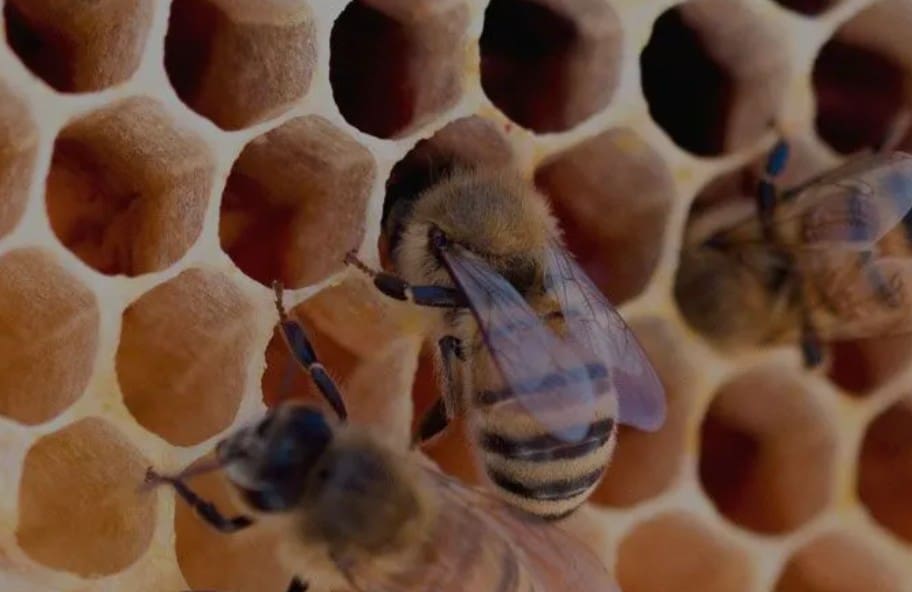
If liquid honey is the refined version of the hive, then comb honey is the raw, unedited footage. This is honey in its most original form, still trapped inside the hexagonal wax cells built by the bees themselves. When you eat it, you are consuming the wax, the honey, and often small amounts of propolis and pollen that are sealed inside. The texture is the standout feature here. As you bite into a piece, the wax cells “pop,” releasing a burst of concentrated sweetness that feels much more intense than the liquid alone. The wax itself is completely edible and has a chewy consistency similar to a natural gum. Many enthusiasts believe that this is the only way to truly experience the terroir of a specific region. Because it has not been spun or strained, the aromatic compounds are preserved perfectly. It is a visually stunning addition to any food presentation. Placing a block of comb on a charcuterie board next to sharp cheeses and salty nuts creates a gourmet experience that a simple squeeze bottle cannot replicate.
Introducing Hani Honey Company
Hani Honey Company is a dedicated provider of high-quality apiary products that prioritize the health of the bees and the purity of the harvest. They offer a range of artisanal honey and hand-cut combs that showcase the diverse flavors of nature. You can explore their full selection of sustainably sourced products at https://hanihoneycompany.com/.
Benefits of Integrating Honey Into Your Daily Routine
The health perks of these golden liquids are well-documented and go far beyond simple sugar. Honey is packed with antioxidants, including phenolic compounds like flavonoids. These help protect your body from oxidative stress. It is also a known prebiotic, which means it helps feed the good bacteria in your gut. For those dealing with a seasonal cough or a scratchy throat, a spoonful of the liquid provides a coating action that is often as effective as over-the-counter syrups. When you choose honey, you are also getting a natural energy boost. Because it contains both fructose and glucose, it provides a two-stage energy release that is perfect for athletes or anyone needing a mid-afternoon pick-me-up. It is far better than processed sugar because it contains trace minerals like potassium and magnesium. Using it as a replacement for white sugar in your coffee or baking is one of the simplest swaps you can make for a healthier lifestyle.
Why Comb Honey Offers a Unique Health Profile
While the liquid version is healthy, comb honey offers a few extra perks due to the presence of beeswax. The long-chain fatty acids found in bee wax are known to be heart-healthy and may help balance cholesterol levels over time. Furthermore, the wax contains small amounts of bee bread and propolis. Propolis is often called “bee glue” and is used by the hive to seal cracks, but for humans, it serves as a powerful antimicrobial and anti-inflammatory agent. Eating the comb also ensures you are getting the highest possible concentration of local pollen. This is particularly interesting for individuals looking to build a tolerance to local allergens. Because the cells are sealed until the moment you bite them, nothing has been oxidized or lost to the air. It is the freshest possible version of the product. Hani Honey Company takes pride in offering comb that is handled minimally to preserve these delicate biological components.
Pros and Cons of Liquid Honey
The biggest pro for liquid honey is convenience. It is the easiest form to measure for recipes and the simplest to use for children. It also has an indefinite shelf life if stored correctly. If it happens to crystallize, you can simply place the jar in warm water to return it to a liquid state. Another benefit is the variety of flavors available; you can find everything from light clover to dark, robust buckwheat. The main con is the risk of buying low-quality or “adulterated” products. Many grocery store brands are stretched with corn syrup or heavily processed. This removes the health benefits and leaves you with nothing but flavored sugar. Additionally, the flavor can be slightly less vibrant than the comb because the process of extraction involves some exposure to air and light, which can dull the most volatile floral scents.
Pros and Cons of Comb Honey
The pros of comb honey center on the gourmet experience and the nutritional density. It is the most authentic way to eat honey, and the flavor is undeniably superior. It acts as a conversation starter and a beautiful centerpiece for entertaining. For those who enjoy varied textures, the chewiness of the wax provides a satisfying contrast to the liquid interior. The cons usually involve the price and the “mess” factor. It is generally more expensive because it requires more labor from the beekeeper and cannot be produced as quickly as liquid. It is also harder to use in certain ways; you cannot easily stir a piece of comb into a cold drink, and it is difficult to spread evenly on thin toast without breaking the structure. Finally, some people may find the texture of the wax unappealing or difficult to swallow, although it is perfectly safe.
Creative Ways to Use Your Honey
If you have a jar from Hani Honey Company, try using it as a glaze for roasted carrots or salmon. The sugars caramelize beautifully under the heat, creating a savory-sweet crust. You can also whip it into room-temperature butter to create a delicious spread for biscuits. For a more modern twist, add a teaspoon to your spicy chili or tomato sauce to balance out the acidity and heat.
Culinary Pairings for Comb Honey
To get the most out of your comb honey, think about contrast. Pair a thick slice of the comb with a wedge of salty Manchego or a sharp blue cheese. The saltiness of the cheese cuts through the intense sweetness of the wax cells. It is also incredible when placed on top of warm pancakes or waffles; the heat softens the wax slightly, making it even creamier. For a simple dessert, serve a small piece of comb alongside fresh figs and a dollop of Greek yogurt.
Essential Tips for Storage and Freshness
To keep your honey in peak condition, always store it in a cool, dry place away from direct sunlight. There is no need to refrigerate it, as cold temperatures actually speed up the crystallization process. If your liquid honey gets grainy, do not throw it away. Just gently warm it up. For the comb, keep it in its original container to prevent it from drying out or absorbing smells from the fridge. Always use clean utensils when scooping to avoid introducing moisture or breadcrumbs into the jar, which can lead to spoilage.
The Verdict on Which One You Should Buy
The choice between these two incredible products depends on your lifestyle. If you are looking for a daily sweetener that is easy to use in your tea, baking, and cooking, liquid honey is the clear winner. It is practical, affordable, and versatile. However, if you are a food lover who wants to experience the true essence of the hive, or if you are looking for a gift that will impress, comb honey is the way to go. Many families find that keeping both on hand is the best strategy. Use the liquid for your morning coffee and save the comb for weekend brunches or special cheese boards. Regardless of which path you take, the quality of the source is what matters most. By supporting ethical producers like Hani Honey Company, you are ensuring that the bees are protected and that you are receiving a pure, unadulterated product that reflects the hard work of the hive.
Final Thoughts on Nature’s Sweetener
Honey and its comb counterpart are more than just food; they are a connection to the natural world and the changing seasons. Each jar tells a story of the flowers that were in bloom and the weather conditions of that year. Whether you prefer the golden flow of a liquid or the structured bite of the comb, you are participating in a tradition that spans millennia. Embrace the sweetness, enjoy the health benefits, and savor every drop of this liquid gold.