
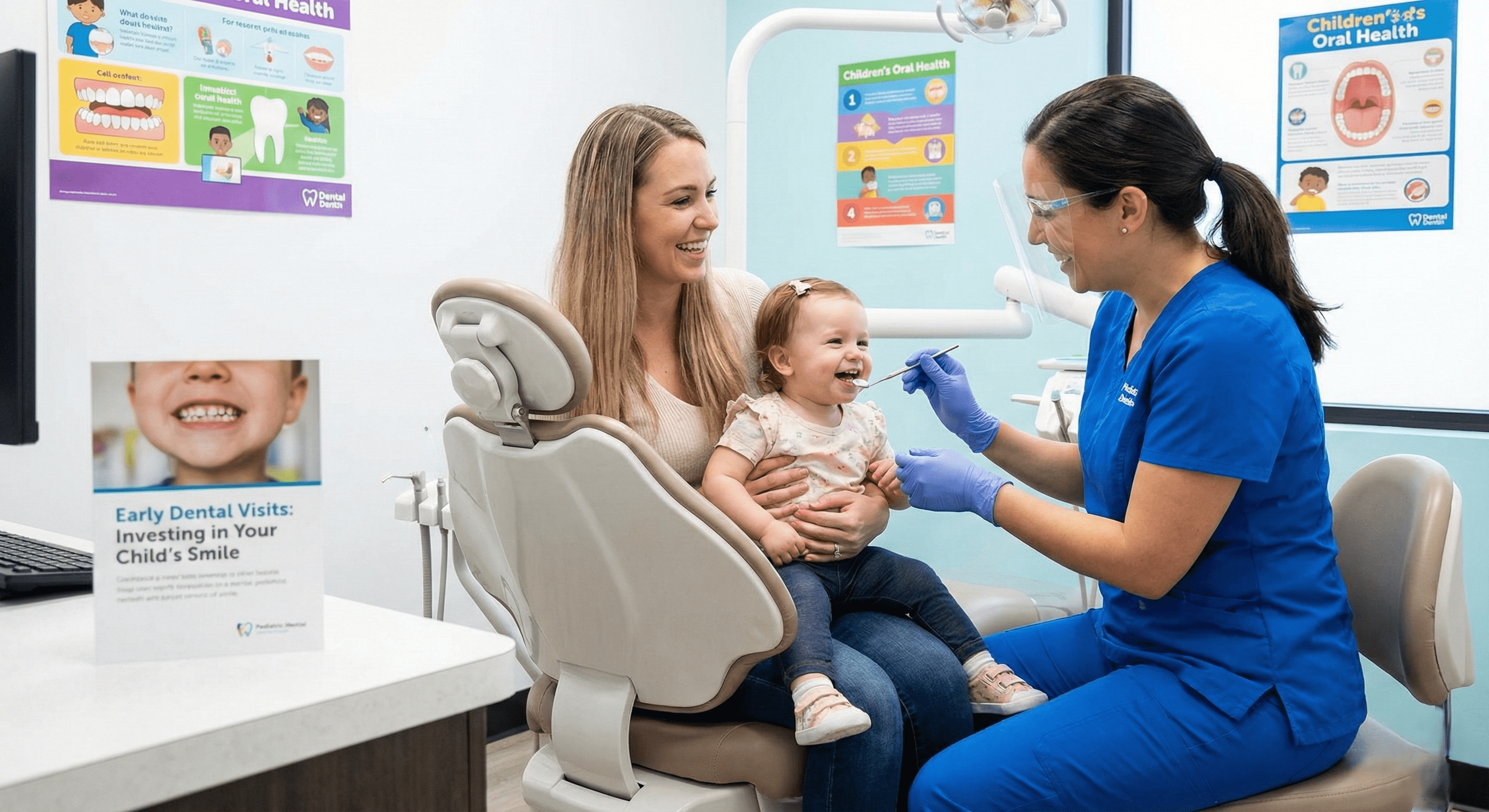
Many parents often wonder whether starting dental care at a young age truly makes a difference in their child’s health. Dentistry for children plays a critical role in shaping lifelong oral hygiene habits and preventing serious dental problems before they begin. Early dental visits are not just about checking teeth; they are about guiding families toward healthier routines, reducing anxiety around dental care, and ensuring proper development as a child grows.
Parents who prioritize preventive care usually notice fewer dental emergencies and lower treatment costs over time. Establishing a strong foundation early helps children become comfortable with dental visits, making future appointments easier and more effective.
Early Dentistry for Children
What Does Early Dental Care Mean?
Early dental care refers to introducing a child to professional oral health services during infancy or toddlerhood. Experts generally recommend scheduling the first dental visit by the child’s first birthday or within six months after the first tooth appears.
This stage focuses on prevention rather than treatment. Dentists monitor tooth eruption, jaw growth, and gum health while educating parents about proper brushing techniques, nutrition, and habits that could affect oral development.
Why Timing Matters
A child’s mouth develops rapidly during the early years. Problems such as tooth decay can begin sooner than many parents expect. Baby teeth may be temporary, but they guide permanent teeth into place and support speech development.
Starting early allows dentists to detect concerns before they become painful or expensive. It also creates familiarity, helping children see dental visits as a normal part of healthcare instead of something to fear.
Key Benefits of Starting Dental Care Early
Prevention of Tooth Decay
Tooth decay is one of the most common chronic conditions among children. Early checkups allow professionals to identify weak spots, apply protective treatments if needed, and teach parents how to reduce cavity risks.
Preventive care often includes:
- Gentle cleaning
- Fluoride guidance
- Sealant recommendations when age-appropriate
- Diet counseling
These steps significantly lower the chances of major dental procedures later.
Building Healthy Habits
Children learn quickly through repetition and guidance. When dental care begins early, brushing and flossing become part of their daily routine rather than a forced habit introduced later.
Dentists also teach parents how to make oral care fun and consistent. Over time, these habits contribute to stronger teeth and healthier gums.
Monitoring Growth and Development
Every child develops differently. Regular visits help track:
- Jaw alignment
- Bite patterns
- Tooth spacing
- Oral tissue health
Early detection of orthodontic concerns can simplify future treatments and sometimes even prevent the need for complex corrections.
How Early Visits Reduce Dental Anxiety
Familiarity Creates Comfort
Many adults fear dental visits because their first experiences were stressful or painful. Children who begin appointments early typically associate the environment with friendly conversations and simple examinations.
A positive introduction builds trust between the child and the dental team.
Gentle and Child-Focused Approach
Modern pediatric dental care focuses on comfort. Professionals use age-appropriate language, explain tools in simple ways, and ensure children feel safe throughout the visit.
When children feel respected and understood, their confidence grows.
Financial Advantages for Parents
Prevention Costs Less Than Treatment
One of the biggest misconceptions is that delaying dental visits saves money. In reality, untreated dental issues often lead to costly procedures such as fillings, crowns, or emergency treatments.
Preventive care helps families avoid unexpected expenses.
Long-Term Savings
Consistent dental care supports healthier permanent teeth, reducing the likelihood of major interventions during adolescence and adulthood.
Parents who invest early often spend less overall on dental care.
The Role of Parents in Early Oral Health
Creating a Healthy Routine at Home
Professional care is only one part of the equation. Daily habits shape long-term results.
Parents are encouraged to:
- Brush their child’s teeth twice a day
- Use age-appropriate toothpaste
- Limit sugary snacks and drinks
- Encourage water consumption
- Replace toothbrushes regularly
Consistency is more important than perfection.
Leading by Example
Children often imitate what they see. When parents demonstrate good oral hygiene, children are more likely to follow the same practices.
Family brushing time can turn a routine task into a shared activity.
Common Concerns Parents Have About Early Dentistry
“Are Baby Teeth Really That Important?”
Yes, they are essential. Baby teeth help children chew properly, speak clearly, and maintain space for permanent teeth.
Losing them too early can cause alignment problems that require orthodontic treatment later.
“What If My Child Is Afraid?”
Fear is natural, but preparation helps. Talking positively about dental visits and avoiding negative language can ease anxiety.
Choosing a welcoming dental environment also makes a significant difference.
“Is It Too Early for a Dental Visit?”
If teeth are present, it is not too early. Early visits are typically simple and educational, focusing more on guidance than procedures.
Signs a Child Should See a Dentist Sooner
While routine visits are important, certain symptoms require quicker attention:
- Persistent tooth pain
- Sensitivity to hot or cold foods
- Bleeding gums
- White or dark spots on teeth
- Difficulty chewing
Addressing these signs early prevents complications.
Nutrition and Its Impact on Dental Health
Foods That Support Strong Teeth
A balanced diet contributes greatly to oral health. Nutrient-rich foods strengthen enamel and support gum health.
Helpful options include:
- Dairy products
- Leafy greens
- Crunchy fruits and vegetables
- Nuts (when age-appropriate)
- Whole grains
Foods to Limit
Frequent sugar exposure increases cavity risk. Sticky candies, sugary drinks, and processed snacks can cling to teeth and feed harmful bacteria.
Moderation is key.
How Technology Improves Children’s Dental Care
Advancements in dental technology have transformed patient experiences. Modern tools allow for quicker examinations, improved accuracy, and enhanced comfort.
Digital imaging, minimally invasive techniques, and preventive treatments make early visits smoother than ever before.
These innovations help dentists detect issues earlier and treat them more effectively.
Choosing the Right Dental Provider
Selecting a trusted dental practice plays a major role in a child’s experience. A practice like Pinnacle Dentistry focuses on creating a calm and supportive environment where children feel at ease while receiving high-quality care.
Parents often look for providers who prioritize communication, patience, and education. When a dental team takes time to explain procedures and answer questions, families feel more confident about their decisions.
A welcoming atmosphere can transform dental visits into positive milestones rather than stressful obligations.
What Happens During a Child’s First Visit?
Initial Examination
The first appointment usually includes a gentle examination of the teeth, gums, and jaw. Dentists check for early signs of decay and evaluate development.
Parent Education
Parents receive practical advice tailored to their child’s needs, including brushing techniques, teething guidance, and nutritional tips.
Preventive Planning
If necessary, the dentist may suggest a schedule for future visits or preventive treatments to maintain optimal oral health.
The goal is to build a roadmap for long-term wellness.
The Connection Between Oral Health and Overall Health
Oral health affects more than just teeth. Poor dental hygiene has been linked to infections and other health concerns.
Healthy teeth allow children to:
- Eat comfortably
- Speak clearly
- Smile confidently
- Focus better in school
Good oral care supports overall well-being.
Long-Term Impact of Early Dental Care
Children who receive consistent care often carry those habits into adulthood. Preventive dentistry encourages responsibility and awareness about personal health.
Over time, this proactive mindset reduces the risk of severe dental conditions.
Early care is not just about childhood; it shapes future health outcomes.
Encouraging Children to Enjoy Dental Care
Make It Positive
Using encouraging words and celebrating successful visits can motivate children to maintain good habits.
Small rewards or praise can reinforce cooperation.
Use Educational Tools
Storybooks, videos, and fun toothbrush designs can help children understand why oral care matters.
When learning feels enjoyable, resistance decreases.
How Often Should Children Visit the Dentist?
Most professionals recommend checkups every six months. However, the frequency may vary depending on a child’s specific needs.
Regular visits allow dentists to monitor progress and adjust care plans when necessary.
Consistency builds protection.
Early Orthodontic Awareness
Orthodontic issues do not always wait until the teenage years. Early evaluations can reveal concerns related to crowding, bite alignment, or jaw development.
Addressing these factors early may shorten treatment time later.
Preventive orthodontic guidance can make future corrections simpler and more comfortable.
The Emotional Benefits of a Healthy Smile
A confident smile can influence social interactions and self-esteem. Children who feel good about their teeth are more likely to smile freely and engage with others.
Positive self-image often begins with feeling comfortable in one’s appearance.
Dental health contributes to that confidence.
Supporting Parents Through Education
Dental visits are also an opportunity for parents to learn. Understanding how to care for a child’s teeth reduces uncertainty and empowers families to make informed decisions.
Practices that emphasize education help parents feel supported rather than overwhelmed.
Clear guidance leads to better outcomes.
Breaking Common Myths About Early Dental Care
Myth: Cavities in Baby Teeth Do Not Matter
Reality: Untreated cavities can cause pain and infections.
Myth: Children Will Outgrow Poor Oral Habits
Reality: Habits often persist without guidance.
Myth: Dental Visits Should Wait Until School Age
Reality: Early visits provide preventive protection.
Dispelling these myths helps families prioritize timely care.
When Prevention Becomes Protection
Preventive dentistry acts as a shield against avoidable problems. It shifts the focus from reacting to issues toward maintaining health.
This approach benefits both children and parents by reducing stress and uncertainty.
Prepared families face fewer surprises.
Why Parents Continue Choosing Early Care
Parents who embrace early dental visits often notice several advantages:
- Greater peace of mind
- Predictable care routines
- Reduced risk of emergencies
- Better long-term dental outcomes
These factors reinforce the value of starting sooner rather than later.
Conclusion
Early dental care provides a strong foundation for lifelong oral health. Dentistry for children supports prevention, encourages healthy habits, and helps identify potential concerns before they escalate into serious problems.
From a broader perspective, families who prioritize early visits often experience fewer complications and greater confidence in their child’s development. Practices such as Pinnacle Dentistry aim to guide parents through each stage with education, compassionate care, and preventive strategies designed for lasting results.
Ultimately, early dentistry proves worthwhile because it protects more than just teeth. It fosters confidence, supports overall health, and equips children with habits that can benefit them for years to come. Parents seeking a proactive approach to their child’s well-being frequently discover that starting early is not only beneficial but essential.
Here, you can find more articles.
