
In recent years, the demand for reliable and eco-friendly energy solutions has grown rapidly. Many homeowners, travelers, and outdoor enthusiasts are exploring alternatives to conventional fuel-powered generators. One option that has gained significant popularity is the portable power station, which is often paired with solar panels to create a convenient solar power system. However, many people still wonder whether a solar generator is truly better than a traditional gas or diesel generator. Understanding the differences between these systems can help you decide which solution best fits your energy needs.
Understanding How Solar Generators Work
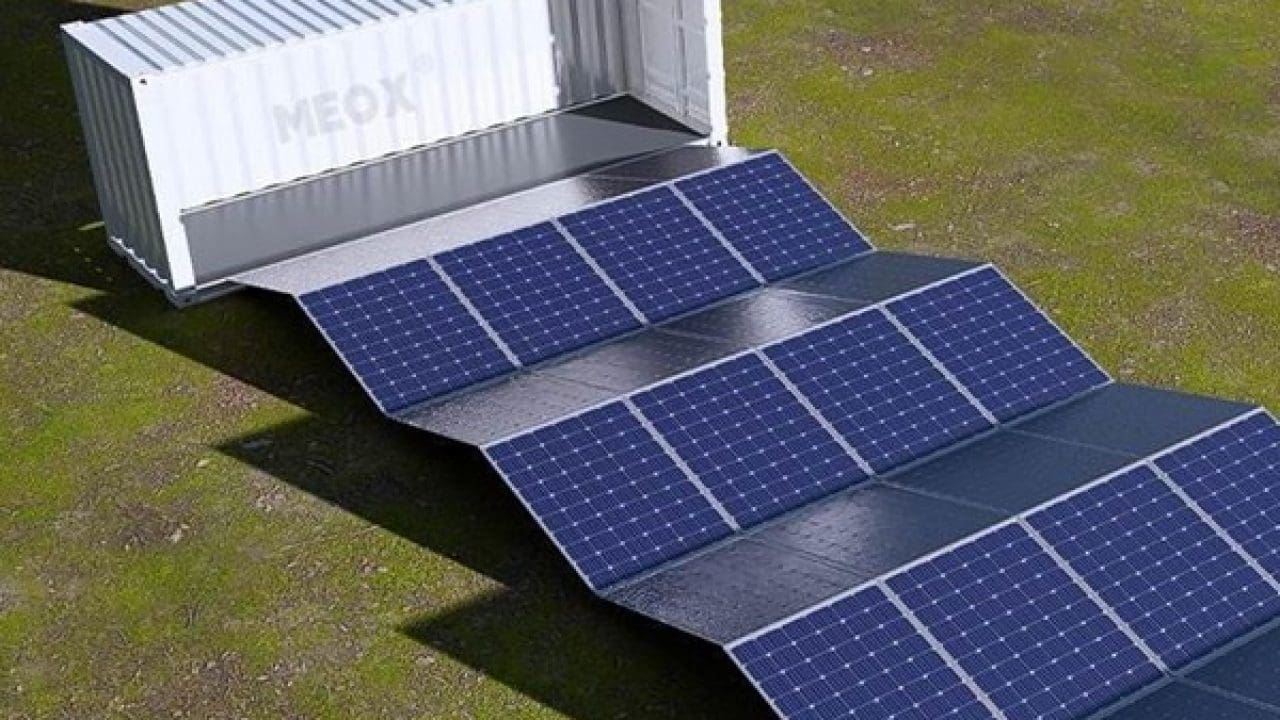
A solar generator is essentially a clean energy system that captures sunlight and converts it into electricity. Instead of burning fuel, it uses solar panels to collect energy from the sun and stores that energy inside a battery. When power is needed, the stored electricity is released through the system’s inverter to run various devices.
Solar generators are especially popular among campers, RV owners, and people preparing for emergencies. Because they rely on renewable energy, they can continue generating electricity as long as sunlight is available. This makes them an appealing option for those who want energy independence without relying on gasoline or diesel.
How Traditional Generators Operate
Traditional generators operate very differently from solar systems. These machines typically use gasoline, diesel, or propane to produce electricity through a combustion engine. The engine burns fuel to spin a generator that produces electrical energy.
While traditional generators can provide high power output and run heavy appliances, they also come with several limitations. For example, they require constant access to fuel, regular maintenance, and proper ventilation due to exhaust emissions. Running a gas generator indoors or in enclosed spaces can be dangerous because it releases carbon monoxide.
Despite these drawbacks, conventional generators are still widely used for construction sites, large homes, and emergency backup power. Their ability to generate high wattage makes them suitable for running large air conditioners, power tools, and other heavy equipment that might exceed the capacity of many solar systems.
Benefits of Solar Generators
1. Clean and Renewable Energy
One of the biggest advantages of using a solar power generator is that it relies on renewable energy. Solar panels capture sunlight, which means the system produces electricity without burning fossil fuels. This process eliminates harmful emissions and reduces environmental impact.
For individuals who want to lower their carbon footprint, solar generators provide a sustainable energy alternative. Systems from brands like OUPES often emphasize eco-friendly designs that allow users to generate power without contributing to air pollution or greenhouse gases.
2. Quiet Operation
Noise is another major difference between solar and traditional generators. Fuel generators typically produce loud engine noise while running, which can be disruptive in residential areas or campsites.
A portable power station connected to solar panels operates almost silently. Since there is no engine involved, the system only produces minimal sound from internal electronics or cooling fans. This makes solar generators ideal for use in quiet environments such as campsites, apartments, and outdoor events.
3. Low Maintenance Requirements
Traditional generators require regular maintenance, including oil changes, engine inspections, and fuel system cleaning. Without proper upkeep, the generator may fail or operate inefficiently.
Solar generators, on the other hand, have very few moving parts. Once the solar panels and battery system are set up, the maintenance requirements are minimal. Users simply need to keep the panels clean and ensure the battery is properly charged. This convenience makes solar systems appealing for people who prefer simple and hassle-free energy solutions.
Advantages of Traditional Generators
1. Higher Power Output
One area where traditional generators still have an advantage is raw power capacity. Fuel-powered generators can produce significantly higher wattage compared to most solar setups. This makes them suitable for powering large appliances such as central air conditioning units, water pumps, and heavy machinery.
2. Reliable in Any Weather
Solar energy depends heavily on sunlight availability. On cloudy days or during extended periods of rain, solar panels may generate less electricity. Although batteries store energy for later use, prolonged bad weather can reduce the overall energy supply.
Traditional generators do not face this limitation because they operate using fuel. As long as gasoline or diesel is available, they can produce electricity regardless of weather conditions. This reliability can be crucial during long power outages or emergency situations.
Why Portable Power Stations Are Becoming More Popular
Portable energy solutions are becoming increasingly common due to changing lifestyles and technological improvements. These compact systems can be carried easily, used indoors safely, and charged through multiple methods, including wall outlets, car chargers, and solar panels.
Companies such as OUPES have contributed to this growing trend by producing lightweight and powerful energy storage systems designed for modern users. These devices are particularly attractive for travelers, digital nomads, and people living in small apartments who want backup power without the noise and fumes associated with fuel generators.
Additionally, portable power stations are often equipped with modern safety features such as battery management systems, temperature protection, and overload prevention. These features help ensure safe and efficient energy use, making solar generators suitable for a wide range of applications.
Choosing the Right Generator for Your Needs
1. Consider Your Power Requirements
Before deciding between a solar generator and a traditional generator, it is important to evaluate your power needs. If you only need to charge phones, laptops, small appliances, and lighting devices, a solar power generator with a reliable battery system may be more than sufficient.
However, if your goal is to power large household systems or heavy equipment for extended periods, a traditional fuel generator might be more practical due to its higher output capacity.
2. Think About Portability and Convenience
Portability is another key factor when choosing an energy solution. A portable power station is easy to transport, requires minimal setup, and can be used safely indoors. This convenience makes solar generators especially appealing for outdoor activities and emergency preparedness.
Traditional generators are usually heavier and require fuel storage, which can add complexity to transportation and usage.
Conclusion
Traditional generators still offer advantages in terms of high power output and all-weather reliability. However, as battery technology advances and solar energy becomes more efficient, solar power generators are quickly becoming a preferred choice for many households and outdoor enthusiasts.
Ultimately, both technologies have their place in modern energy solutions. By understanding their strengths and limitations, users can choose the generator type that best supports their lifestyle, energy requirements, and environmental goals.