
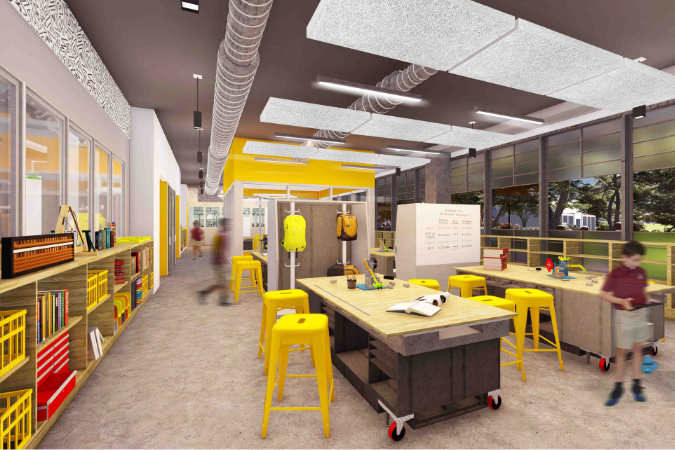
Rows of identical desks all facing forward made sense when teaching meant one person talking and everyone else listening quietly. That’s not how learning works anymore, and honestly, research shows it never worked that well in the first place. Modern school furniture supports different learning styles, encourages collaboration, and adapts to activities instead of forcing every lesson into the same physical setup. Studies from Salford University found that classroom design factors can impact student learning progress by up to 25% in a single year. The physical space either helps or hurts education, and most schools are still using layouts designed decades ago for completely different teaching methods.
Flexible Seating That Moves With Lessons
Learning activities vary throughout a day—group projects, individual reading, class discussion, hands-on work, testing. Using the same rigid setup for everything makes no sense. Lightweight furniture that students can rearrange themselves gives teachers flexibility without needing superhuman strength.
Mobile desks on casters let classrooms switch from rows to clusters to circles in under a minute. Some schools use trapezoid tables that connect different ways—straight lines, groups of four, six, or large collaborative arrangements. Students learn spatial reasoning and teamwork just from reorganizing their space.
Stack-and-store furniture frees up floor space when you need room for movement activities, presentations, or experiments. Tables that fold up and chairs that stack let you completely clear space when needed, then reset quickly. This matters especially in smaller classrooms where every square foot counts.
Alternative Seating Options
Not every student focuses best sitting still in a traditional chair. Some need movement, others prefer different postures. Offering options helps more kids stay engaged instead of fighting their natural tendencies.
Wobble stools let kids move while seated, which helps some learners focus better. Balance balls do something similar but can become toys—wobble stools give movement without as much distraction. Standing-height desks work for students who concentrate better standing. Some classrooms have a mix of seating heights and styles where kids choose what works for them that day.
Floor cushions or bean bags in a reading corner create comfortable spaces for independent work. Some younger grades use carpet squares that kids can move around. The key is intentional variety, not chaos—each seating type should have a purpose and rules about when to use it.
Technology Integration Done Properly
Devices are part of learning now, but charging twenty laptops creates cable nightmares and fights over outlets. Built-in power at student desks or charging stations keeps devices ready without extension cords everywhere.
Tables with integrated device storage and charging keep tech organized when not in use. Cord management systems prevent tripping hazards and the tangled messes that waste instruction time. Some furniture has built-in gutters or channels specifically for routing cables cleanly.
Interactive displays and projectors need to be positioned where every student can see without neck strain. Screens mounted too high make students crane their necks all day. Proper mounting height varies by student age—what works for high schoolers doesn’t work for elementary kids.
Creating Learning Zones Within Classrooms
Different activities need different spaces. Smart classroom layouts designate zones for specific purposes instead of treating the whole room as one generic area. This helps students mentally shift into different learning modes.
A collaborative zone with tables for group work, a quiet zone for individual focus, a presentation area for demonstrations or class discussion, a making/messy work space for hands-on projects. Clear visual boundaries through furniture placement, flooring changes, or even just labeled areas help students understand behavioral expectations in each zone.
This zoning helps classroom management too—students know that talking is fine in collaborative areas but not in quiet zones. Teachers can run multiple activities simultaneously when space supports it.
Storage That Teaches Organization
Clutter and disorganization waste learning time and create stress. Well-designed storage teaches students organizational skills while keeping classrooms functional. Personal storage for each student’s belongings means backpacks and coats aren’t piled everywhere.
Open cubbies work for younger students who need to see and reach their things easily. Lockers or closed storage work better for older students and reduces visual clutter. Shared supply storage that’s labeled and organized teaches students to take and return materials responsibly.
Teacher storage that’s accessible but not in constant student view keeps rooms from looking chaotic. Having clear homes for materials means setup and cleanup happen faster, leaving more time for actual teaching.
Colors and Lighting That Support Focus
Classroom colors affect student energy and concentration. Bright primary colors work for early childhood but become overstimulating for older students trying to focus. Softer, muted tones in blues, greens, and warm neutrals promote calm and concentration.
Natural light improves mood, alertness, and even test scores. Northwestern University research found students in classrooms with more natural light had 15% better test performance. When possible, arrange furniture to maximize natural light without creating glare on screens or work surfaces.
LED lighting that’s bright enough but not harsh prevents eye strain. Adjustable lighting lets teachers dim for videos or brighten for detailed work. Some newer schools use tunable lighting that shifts color temperature throughout the day to match natural circadian rhythms.
Durability and Safety Standards
School furniture takes serious abuse and needs to survive years of heavy use by kids who aren’t always gentle. Commercial-grade materials rated for educational use last way longer than residential stuff.
Rounded edges and corners prevent injuries during normal movement and activity. Tables and chairs need to be stable enough that they don’t tip when students lean or stand on them—because that will happen regardless of rules. Finishes should be non-toxic and easy to clean, especially for younger grades.
Furniture should meet ANSI/BIFMA standards for safety and durability in educational settings. This isn’t just about lasting longer—it’s about preventing injuries and ensuring furniture stays functional and safe throughout its lifespan.
Making Spaces Accessible
Every classroom should work for students with different physical abilities and needs. Height-adjustable tables accommodate wheelchair users and students of different sizes. Wide aisles allow wheelchair navigation without constantly rearranging furniture.
Sensory-friendly spaces help students who get overwhelmed—quiet corners with softer lighting, minimal visual clutter, and comfortable seating. These benefit all students during high-stress times, not just those with sensory processing needs.
Clear sightlines from all seating areas ensure every student can see instruction. Avoiding poles, tall furniture, or other obstructions that block views matters more than many designers realize.
