
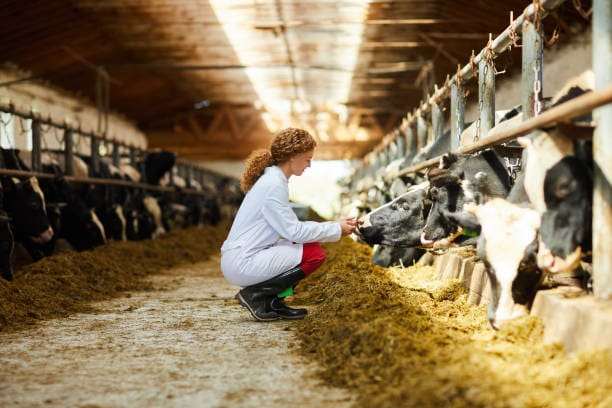
Agriculture has undergone a remarkable transformation over the past few decades, driven by technological advancements and the urgent need to feed a growing global population. Among the various sectors, animal production has emerged as a key focus area due to its critical role in providing protein-rich food. Farmers today are not only concerned with increasing output but also with improving efficiency, reducing waste, and maintaining environmental balance. These goals have led to the adoption of innovative practices that are reshaping the future of farming.
The Role of Innovation in Agricultural Development
Innovation is at the heart of modern agriculture, enabling farmers to overcome challenges related to resource scarcity and climate change. Animal production systems have particularly benefited from new tools and technologies that streamline operations and enhance productivity. By integrating scientific research with practical farming methods, producers can achieve higher yields while minimizing environmental impact.
Technological Advancements in Livestock Management
Livestock management has been revolutionized by the introduction of digital tools and automation. Farmers can now monitor animal health, feeding patterns, and environmental conditions using advanced sensors and software. These innovations allow for real-time decision-making, ensuring that animals receive optimal care. In animal production, such technologies not only improve efficiency but also reduce labor costs and increase overall farm profitability.
Automation and Smart Farming Systems
Automation is becoming increasingly common in agriculture, particularly in large-scale operations. Robotic milking machines, automated feeding systems, and climate-controlled housing units are just a few examples of how technology is being used to enhance productivity. These systems reduce human error and ensure consistent quality in animal production, making farming more reliable and sustainable.
Sustainable Resource Utilization
Efficient use of resources is essential for the long-term success of agriculture. Water, feed, and land must be managed carefully to avoid depletion and environmental degradation. Animal production systems that prioritize sustainability are better equipped to adapt to changing conditions and maintain productivity.
Feed Optimization and Nutritional Efficiency
Feed represents one of the largest costs in livestock farming, making its efficient use a top priority. Advances in nutritional science have led to the development of balanced diets that maximize growth and health while minimizing waste. In 動物プロダクション, optimized feeding strategies ensure that animals receive the nutrients they need without overconsumption, reducing both costs and environmental impact.
Water Conservation Techniques
Water is a critical resource in agriculture, and its conservation is essential for sustainability. Modern farming practices include the use of efficient irrigation systems, water recycling, and improved livestock hydration methods. By implementing these techniques, animal production systems can significantly reduce water usage while maintaining high levels of productivity.
Enhancing Animal Health and Welfare
Healthy animals are more productive and require fewer resources, making health management a crucial aspect of farming. Animal production systems that prioritize welfare tend to achieve better outcomes in terms of both quality and efficiency.
Disease Prevention and Biosecurity Measures
Preventing disease outbreaks is essential for maintaining stable production levels. Farmers are increasingly adopting biosecurity measures such as controlled access to farms, regular health monitoring, and vaccination programs. These practices help protect livestock from infections and ensure consistent performance in animal production.
Stress Reduction and Comfort
Reducing stress in animals is another important factor in improving productivity. Comfortable living conditions, proper ventilation, and access to clean water and feed contribute to better health and growth rates. In animal production, minimizing stress not only improves animal welfare but also enhances product quality.
Economic Impact of Modern Farming Practices
The adoption of innovative and sustainable practices has significant economic benefits for farmers. By improving efficiency and reducing waste, producers can increase profitability and remain competitive in the global market. Animal production plays a major role in rural economies, providing employment and supporting livelihoods.
Market Trends and Consumer Expectations
Consumer preferences are evolving, with a growing demand for ethically produced and environmentally friendly products. Farmers who adapt to these trends can access premium markets and achieve higher returns. Animal production systems that align with consumer values are more likely to succeed in today’s competitive landscape.
Investment and Financial Support
Governments and financial institutions are recognizing the importance of modern agriculture and are providing support to farmers. Grants, loans, and training programs help producers adopt new technologies and improve their operations. These investments are crucial for the continued growth and sustainability of animal production.
Future Prospects and Global Challenges
As the world continues to change, agriculture must adapt to new challenges and opportunities. Climate change, population growth, and resource limitations will shape the future of farming. Animal production systems must evolve to meet these demands while maintaining sustainability and efficiency.
Integration of Renewable Energy in Farming
Renewable energy sources are becoming an integral part of modern agriculture. Solar panels, wind turbines, and biogas systems are being used to power farming operations and reduce reliance on fossil fuels. In animal production, renewable energy can lower costs and reduce environmental impact, contributing to a more sustainable future.
Education and Knowledge Transfer
Education and training are essential for the successful adoption of new practices. Farmers need access to reliable information and resources to implement innovative solutions effectively. Knowledge sharing among communities and institutions helps accelerate progress in animal production and ensures that best practices are widely adopted.
Conclusion
The future of agriculture lies in innovation, sustainability, and efficiency. Animal production remains a vital component of the global food system, and its continued development is essential for meeting the needs of a growing population. By embracing new technologies, optimizing resource use, and prioritizing animal welfare, farmers can create resilient and productive systems that benefit both people and the planet.