
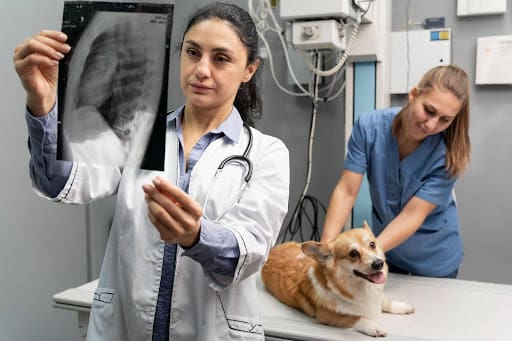
As pet parents, we always want our furry friends to live long, healthy, and happy lives. But sometimes, health issues can hide behind wagging tails and playful purrs, making them hard to detect until they become serious. That’s where imaging PET scan technology comes in; it’s like giving your pet a superhero-level X-ray vision that looks beyond the obvious.
In this blog, we’ll explore how an imaging PET scan can make a huge difference in your pet’s health, why sometimes an abdominal X-ray is still useful, and why early detection really does equal a healthier life for your furry companions.
What Is an Imaging PET Scan for Pets?
You might be wondering, “PET scan? Isn’t that just for humans?” Well, yes, it started there, but now veterinary medicine has embraced it too. An imaging PET scan is a type of nuclear imaging test that shows not only the structure of your pet’s organs but also how well they are working.
Think of it like a map showing both roads and traffic. Traditional X-rays show the roads, the bones, and structure, but a PET scan shows where things are flowing, where cells are active, and sometimes where problems are quietly brewing.
Veterinarians often use imaging PET scans, to detect cancer, neurological issues, or heart conditions in dogs, cats, and even other exotic pets. The scan involves injecting a small amount of radioactive tracer into your pet’s body. Don’t worry, it’s safe and carefully monitored. The tracer highlights areas with high cellular activity, which often points to disease before it’s obvious externally.
When an Abdominal X-Ray Still Helps
You might wonder, “Why not skip straight to a PET scan?” Well, sometimes simpler tools like an abdominal X-ray are still the first step. Here’s why:
- Quick Overview of Structures: X-rays are great for a fast look at bones, stomach, intestines, kidneys, and other abdominal organs.
- Detect Common Issues: If your dog is vomiting, has abdominal discomfort, or shows unusual behavior, an abdominal X-ray can reveal blockages, stones, or organ enlargement.
- Fast and Non-Invasive: The procedure is quick, painless, and doesn’t stress your pet much. It often provides enough information to decide if further scanning is needed.
- Complementary to PET Scans:
- X-rays answer the “what” structural problems.
- Imaging PET scans answer the “how” of functional or metabolic changes.
Using both tools together ensures the most accurate diagnosis for your pet.
Benefits of Imaging PET Scans for Pets
Here’s the cool part: an imaging PET scan offers benefits that go way beyond traditional imaging.
1. Early Detection Saves Lives
Many diseases, especially cancer, can stay hidden for months. By the time symptoms show up, treatment is more complicated. PET scans can detect abnormal activity early, often before your pet feels sick.
2. Detailed Functional Imaging
Unlike a regular X-ray or ultrasound, PET scans show how organs are working. This means vets can see subtle changes that indicate disease.
3. Guiding Treatment Plans
Once a problem is found, PET scans help veterinarians decide on the best treatment strategy. They can pinpoint exact areas to target, which is particularly helpful in surgery or radiation therapy.
4. Peace of Mind
Let’s be honest, seeing your pet comfortable and playful is wonderful, but the anxiety of “what if something is wrong?” never really leaves. An imaging PET scan can provide clarity and reassurance for worried pet parents.
What Happens During a PET Scan for Pets?
If you’ve never seen a PET scan for pets, it might sound intimidating, but it’s actually quite manageable. Here’s a rough idea of what to expect:
- Preparation: Your pet might need to fast for a few hours. This ensures the tracer works effectively.
- Tracer Injection: A small, safe radioactive tracer is injected. It’s nothing scary and dissipates quickly.
- Scanning: Your pet will lie on a comfortable table, usually under mild sedation to keep them calm. The scan itself usually takes around 30–60 minutes.
- Results: Vets analyze the scan to spot any unusual activity, which may lead to further testing or immediate treatment.
It’s worth noting that during this process, sometimes a simple abdominal X-ray is taken too, to provide a baseline structural reference. Combining these images gives vets a fuller picture of your pet’s health.
Signs Your Pet Might Need an Imaging PET Scan
Not every pet needs a PET scan, but some signs indicate it could be useful:
- Sudden weight loss or unexplained lethargy
- Persistent vomiting or digestive issues
- Unexplained swelling or lumps
- Changes in behavior, balance, or mobility
- Chronic coughing or breathing difficulties
If your pet shows any of these signs, it’s always better to discuss imaging options with a qualified vet. Sometimes starting with an abdominal X-ray is enough, but if further investigation is needed, an imaging PET scan can make all the difference.
Why Early Detection Matters
Let’s be honest, pets can’t tell us when something hurts. They hide discomfort and keep wagging their tails or purring like nothing is wrong. Early detection is the closest we get to reading their minds.
Using tools like imaging PET scan, and an abdominal X-ray together allows vets to catch problems before they become serious. Early diagnosis often leads to less invasive treatments, faster recovery, and a longer, happier life for your beloved companion.
Conclusion
At the end of the day, every pet deserves the best chance at a healthy, happy life. Modern veterinary imaging, including imaging PET scans and abdominal X-rays, makes that possible. They help detect diseases early, guide treatment, and give peace of mind to pet parents who just want the best for their furry friends.
If you are looking for a trusted place where your pets get top-notch care, Companion Veterinary Clinic in Dubai offers state-of-the-art imaging PET scan services along with expert veterinary guidance. From routine abdominal X-rays to advanced diagnostics, their team ensures your pet stays happy and healthy.