

Every technician has faced that frustrating moment during a repair when a replacement IC chip causes unexpected system failures. The culprit is often a voltage mismatch—a seemingly minor oversight that can cascade into complete circuit malfunction. Voltage specifications form the backbone of IC chip selection, directly determining whether components will integrate smoothly or create reliability nightmares. When input voltage ranges don’t align with power sources, or output current capacities fall short of load demands, even the most carefully planned repairs can fail. This guide provides technicians with a systematic approach to navigating IC chip supplier selection through the lens of voltage parameters. By understanding key specifications like input voltage range, output current, and supply voltage, you’ll gain the tools to identify compatible components quickly and avoid costly compatibility issues. Whether you’re upgrading aging systems or troubleshooting persistent failures, mastering these voltage-focused selection criteria will transform how you approach electronic repairs and supplier partnerships.
Understanding Core Voltage Specifications for IC Chips
Input Voltage Range: The Foundation of Compatibility
The input voltage range defines the minimum and maximum voltage levels an IC chip can safely accept from a power source without damage or malfunction. This specification acts as the first compatibility checkpoint when matching components to existing systems. A voltage regulator rated for 4.5V to 28V input, for example, will operate reliably with standard 5V, 12V, or 24V power supplies commonly found in industrial equipment. Technicians must verify that their power source voltage falls within this range under all operating conditions, including voltage sag during startup or fluctuations from aging transformers. Selecting a chip with insufficient input voltage headroom leads to brownout conditions where the regulator cannot maintain stable output, while exceeding the maximum input risks immediate component failure and potential damage to downstream circuits.
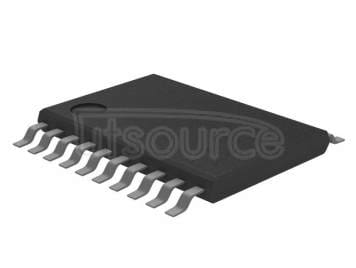
Output Current and Continuous Output: Ensuring Stable Performance
Output current represents the maximum instantaneous current an IC chip can deliver to connected loads, while continuous output specifies the sustained current level the component can maintain without overheating or degradation. Understanding this distinction prevents common failures in repair scenarios. A voltage regulator might advertise 3A output current capability, but its continuous rating at 25°C ambient temperature could be limited to 1.5A without additional heatsinking. When a technician replaces a failed regulator in a motor control board drawing 2A continuously, choosing a chip based solely on peak current specifications results in thermal shutdown or premature failure. The load’s actual current draw must stay below the continuous rating with appropriate thermal management, accounting for enclosure temperatures that often exceed room conditions in real installations.
Supply Voltage: Integrating with Overall System Design
Supply voltage refers to the operating voltage required by the IC chip itself to function, distinct from the voltages it regulates or processes. This parameter determines whether a component can integrate with existing control circuitry and logic levels in a system. A voltage supervisor IC requiring a 3.3V supply voltage won’t operate in a legacy system designed around 5V logic without additional level conversion. Technicians must trace power distribution networks to confirm compatible supply rails exist at sufficient current capacity. Mixed-voltage systems require careful attention to ensure each IC receives its specified supply voltage while maintaining proper signal levels at interfaces between voltage domains, preventing communication errors or latch-up conditions that compromise system reliability.
How to Identify Components Based on Input and Output Voltage Requirements
Assessing Your System’s Voltage Requirements
Begin by measuring the actual voltage levels present in the target system using a calibrated digital multimeter. Connect the meter across the power supply rails while the system operates under typical load conditions, recording both the nominal voltage and any fluctuations observed over several minutes. For repair scenarios, examine the failed component’s markings and surrounding circuit traces to identify input sources and output destinations. Check the system’s power supply specifications on its label or schematic to determine the available voltage rails and their current capacities. Document the maximum current draw of circuits connected to the IC chip’s output by measuring voltage drop across known resistances or using a clamp meter on supply lines. This baseline data establishes the operational envelope your replacement component must satisfy.
Interpreting Datasheets for Voltage Specifications
Locate the “Electrical Characteristics” or “Recommended Operating Conditions” section in the IC chip datasheet, where manufacturers list input voltage range as minimum and maximum values alongside typical operating voltage. Pay attention to the “Absolute Maximum Ratings” section, which defines destructive limits that must never be exceeded even momentarily during transients. Cross-reference output current specifications with thermal derating curves that show how continuous current capability decreases at elevated ambient temperatures. A regulator rated for 2A at 25°C might only sustain 1.2A at 70°C, a common enclosure temperature in industrial settings. Verify that supply voltage requirements match available power rails in your system, and check for any sequencing requirements where multiple supply voltages must power up in a specific order. Temperature coefficients and load regulation specifications reveal how output voltage stability changes across operating conditions, critical for precision applications where voltage drift causes functional issues.
Steps to Ensure Compatibility of Voltage Regulators with Existing Systems
Testing for Voltage Compatibility: Practical Methods
Set up a bench test environment that replicates the target system’s operating conditions before installing a replacement voltage regulator. Connect an adjustable power supply to the regulator’s input, setting it to the system’s nominal voltage, then attach an electronic load or resistor bank matching the expected current draw at the output. Use an oscilloscope to monitor output voltage ripple and transient response while varying the load from zero to maximum current in steps. Measure the regulator’s dropout voltage by gradually reducing input voltage until output falls out of regulation, confirming adequate headroom exists above the system’s minimum supply voltage during brownout conditions. Apply input voltage transients using a function generator to simulate power-on surges or switching noise, verifying the regulator maintains stable output without oscillation. Monitor the component’s case temperature with a thermocouple after 30 minutes of continuous operation at full load, ensuring it stays within datasheet limits for your ambient conditions. Always disconnect power and discharge capacitors before making circuit modifications, and use current-limited bench supplies to prevent catastrophic damage if wiring errors occur during initial connection.
Avoiding Common Pitfalls in Voltage Integration
Many technicians overlook the impact of input and output capacitor selection on regulator stability, leading to oscillation or poor transient response that manifests as system resets during load changes. Datasheets specify minimum capacitance values and maximum equivalent series resistance for these components, requirements that must be met even when reusing existing board capacitors. Verify capacitor values with an LCR meter rather than relying on markings, as aging electrolytic capacitors lose capacitance over time. Another frequent mistake involves insufficient attention to thermal management in enclosed spaces where ambient temperatures reach 50-60°C, far above the 25°C reference for continuous current ratings. Calculate actual power dissipation using the formula (Vin – Vout) × Iout and ensure heatsinking reduces junction temperature below maximum ratings. Ground loop issues arise when technicians connect regulator ground returns to different points than the load ground, creating voltage differences that affect regulation accuracy. Run a dedicated ground trace from the regulator’s ground pin directly to the load’s ground reference point, keeping this path short and wide to minimize resistance. Finally, don’t assume voltage regulators are drop-in replacements without checking enable pin configurations, thermal shutdown behavior, and soft-start characteristics that may differ between manufacturers even for functionally similar parts.
Selecting the Best IC Chip Supplier for Your Voltage Needs
Evaluating Supplier Expertise and Product Range
A qualified IC chip supplier demonstrates deep knowledge of voltage-regulated components through comprehensive product catalogs that span multiple voltage ranges and current capacities. When evaluating potential suppliers, examine whether their inventory includes components from reputable manufacturers with proven track records in voltage regulation technology. Request documentation showing certifications like ISO 9001 for quality management or AS9100 for aerospace applications if working in specialized fields. Ask suppliers about their experience with specific voltage domains relevant to your work—a supplier focusing on automotive-grade components operating at 12V and 24V systems may lack expertise in telecom equipment requiring precise 48V regulation. Check if they maintain stock of both legacy components for repair work and modern alternatives with improved efficiency or smaller footprints. The best suppliers provide parametric search tools on their websites where you can filter by exact input voltage range, output current, and package type, saving hours of manual datasheet review. During initial conversations, pose technical questions about voltage dropout characteristics or thermal management to gauge whether their sales team possesses genuine engineering knowledge or simply processes orders without understanding applications.
Leveraging Technical Support for Voltage Solutions
Superior technical support separates exceptional IC chip suppliers from mere parts distributors, particularly when troubleshooting voltage compatibility challenges in complex repairs. Establish relationships with suppliers who assign dedicated technical contacts familiar with your industry’s specific voltage requirements and common failure modes. These specialists should offer guidance on selecting between functionally similar regulators based on your thermal environment, load transient characteristics, and space constraints. Request access to application notes, reference designs, and calculation tools that help you determine optimal input capacitor values, heatsink requirements, or snubber networks for your voltage regulation circuits. The most valuable suppliers maintain sample programs allowing you to bench-test components before committing to production quantities, reducing the risk of costly specification mismatches discovered only after installation. Suppliers specializing in automation accessories often provide comprehensive parametric search capabilities and technical resources that streamline the component selection process for industrial applications. Verify that suppliers can provide complete traceability documentation showing manufacturing date codes and lot numbers, essential for quality control in professional repair operations. Look for suppliers offering cross-reference services to identify modern equivalents when original components become obsolete, ensuring you can maintain older systems despite component discontinuation. Finally, assess their responsiveness by submitting a technical inquiry during your evaluation process—suppliers who provide detailed, accurate answers within 24 hours demonstrate the commitment to support that proves invaluable when urgent repairs demand immediate component sourcing decisions.
Making Informed Voltage-Driven Component Decisions
Mastering voltage specifications transforms IC chip selection from guesswork into a systematic process that prevents costly failures and ensures reliable repairs. This guide has equipped you with the knowledge to evaluate input voltage range, output current, continuous output ratings, and supply voltage requirements—the core parameters that determine component compatibility. By following the structured approach of assessing system voltage needs, interpreting datasheets accurately, and conducting thorough bench testing, you can confidently identify components that integrate seamlessly with existing circuits. The compatibility verification steps, from monitoring ripple with oscilloscopes to calculating thermal dissipation, provide practical safeguards against common integration pitfalls like inadequate heatsinking or ground loop issues. When selecting an IC chip supplier, prioritize those demonstrating deep technical expertise, comprehensive product ranges across voltage domains, and responsive support teams capable of guiding you through complex voltage challenges. Armed with these insights, you’re now prepared to tackle electronic repairs with greater precision, reduce troubleshooting time, and build lasting relationships with suppliers who understand your voltage-specific requirements. Apply these principles to your next project and experience the confidence that comes from making informed, specification-driven component decisions.
