

A hydraulic tensioner pump plays a crucial role in maintaining proper tension in mechanical systems that rely on belts, chains, or fasteners. Commonly used in automotive engines and industrial machinery, this pump ensures consistent pressure, reduces wear, and improves overall system efficiency. Understanding how a hydraulic tensioner pump works and where it is used can help in selecting the right solution for reliable performance.
What Is a Hydraulic Tensioner Pump?
A hydraulic tensioner pump is a device designed to generate hydraulic pressure that applies controlled tension to components such as timing chains, belts, or bolts. It uses pressurized fluid to maintain consistent force, compensating automatically for wear, vibration, and temperature changes. This makes it more precise and reliable than traditional mechanical tensioning methods.
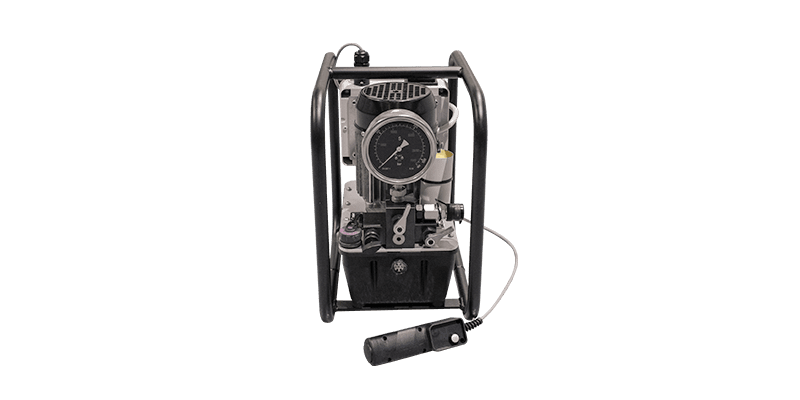
How a Hydraulic Tensioner Pump Works
The hydraulic tensioner pump operates by converting mechanical or electrical energy into hydraulic pressure. This pressure is transmitted through hydraulic fluid to a piston or tensioner unit.
Working Process:
- Hydraulic fluid is drawn into the pump chamber
- Pressure is generated through manual, electric, or pneumatic force
- The pressurized fluid moves a piston
- The piston applies controlled tension to the required component
This self-adjusting mechanism ensures constant tension, even during system operation.
Types of Hydraulic Tensioner Pumps
There are several types of hydraulic tensioner pumps designed for different applications:
Manual Hydraulic Tensioner Pumps
- Operated by hand
- Suitable for low-volume or maintenance tasks
Electric Hydraulic Tensioner Pumps
- Powered by electricity
- Offer high precision and efficiency
- Common in industrial and automotive applications
Pneumatic Hydraulic Tensioner Pumps
- Use compressed air
- Ideal for hazardous or heavy-duty environments
Key Applications of Hydraulic Tensioner Pumps
Hydraulic tensioner pumps are widely used across various industries:
- Automotive engine timing systems
- Industrial manufacturing machinery
- Construction and heavy equipment
- Power generation and turbines
- Oil and gas bolting applications
Their ability to deliver accurate and consistent tension makes them essential in critical systems.
Benefits of Using a Hydraulic Tensioner Pump
Using a hydraulic tensioner pump offers several advantages:
- Precise and uniform tension control
- Reduced mechanical stress and wear
- Improved equipment lifespan
- Enhanced safety during operation
- Increased system efficiency
These benefits make hydraulic tensioner pumps a preferred choice in demanding applications.
Common Problems and Troubleshooting
While reliable, hydraulic tensioner pumps can experience issues if not properly maintained:
- Hydraulic fluid leaks
- Pressure loss or inconsistent tension
- Excessive noise or vibration
- Contaminated hydraulic fluid
Regular inspection and timely maintenance help prevent these problems.
Maintenance and Care Tips
To ensure optimal performance:
- Inspect seals and hoses regularly
- Use recommended hydraulic fluid
- Replace fluid at scheduled intervals
- Keep the system clean and free of contaminants
Proper maintenance significantly extends the service life of the pump.
How to Choose the Right Hydraulic Tensioner Pump
When selecting a hydraulic tensioner pump, consider:
- Required pressure and load capacity
- Application environment
- Pump type and power source
- Durability and material quality
Choosing the right pump ensures reliable operation and long-term efficiency.
Safety Considerations
Always follow safety guidelines when using a hydraulic tensioner pump:
- Never exceed pressure limits
- Use proper protective equipment
- Ensure operators are trained
- Release pressure before maintenance
Safety precautions help prevent accidents and equipment damage.
Conclusion
A hydraulic tensioner pump is an essential component in maintaining precise tension across automotive and industrial systems. Its ability to deliver consistent hydraulic pressure improves performance, safety, and equipment longevity. By understanding its working principle, applications, and maintenance requirements, users can make informed decisions and achieve reliable results in demanding operations.